Exploring the Benefits of Cattle Mineral in 2026 Top Livestock Nutrition?
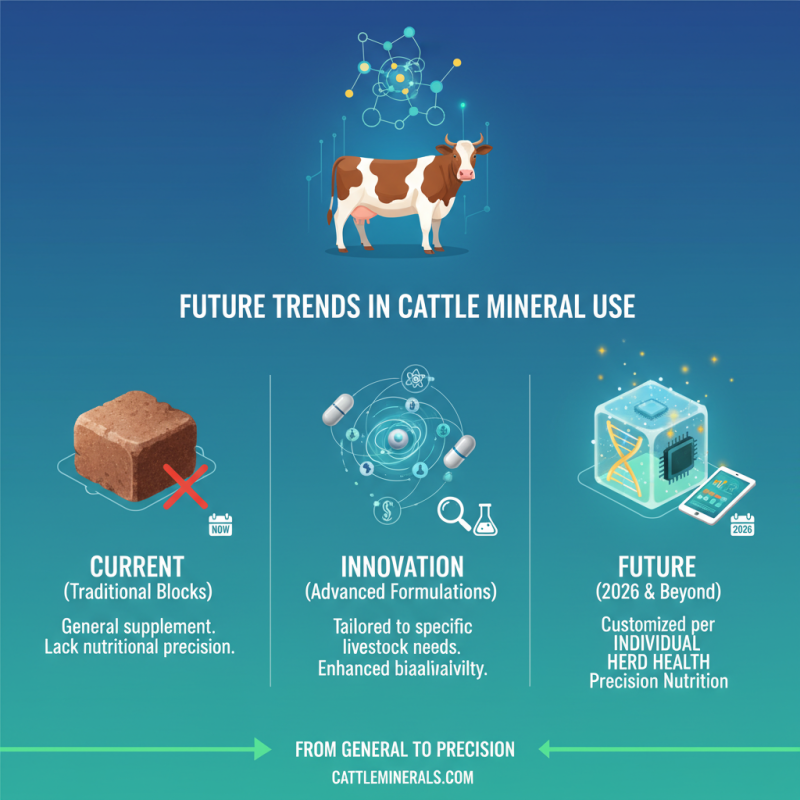
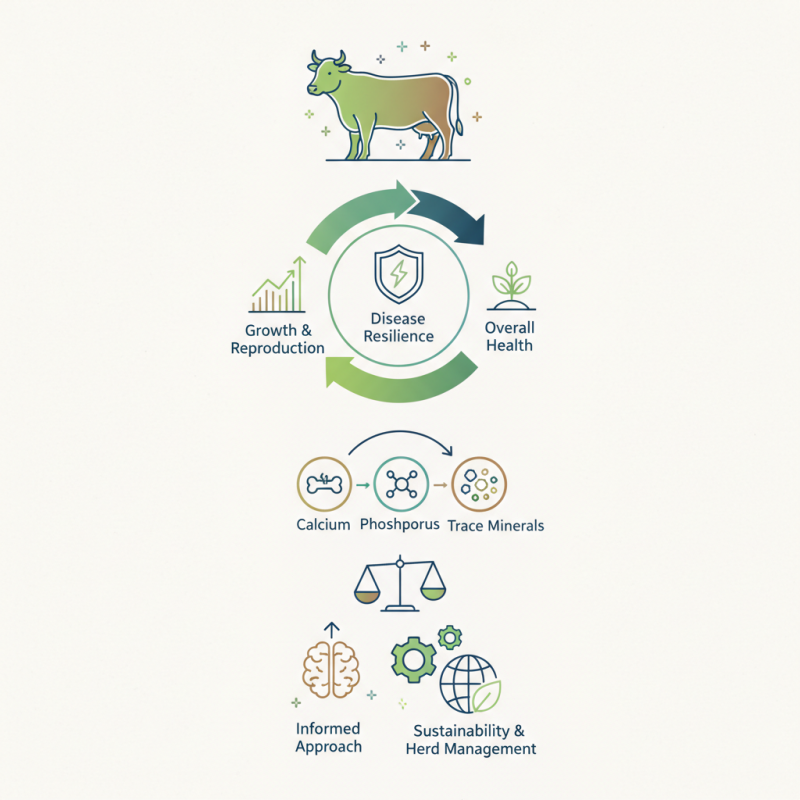
In 2026, the role of cattle mineral in livestock nutrition has gained significant attention. Cattle mineral is essential for the overall health of livestock. Proper mineral supplementation improves growth rates, reproduction, and disease resilience. With the increasing demands on the livestock industry, understanding cattle mineral's benefits is critical.
Recent studies highlight how deficiencies in essential minerals can lead to serious health problems for cattle. Phosphorus, calcium, and trace minerals must be balanced for optimal performance. Farmers often overlook these key nutrients. This oversight can have lasting effects on herd productivity and profitability.
As the industry evolves, it is crucial to adopt a more informed approach to cattle mineral supplementation. Reliable sources and expert opinions can guide farmers in making the best choices. Addressing gaps in mineral nutrition allows for better herd management and sustainability. It’s an ongoing journey that requires constant evaluation and adaptation.
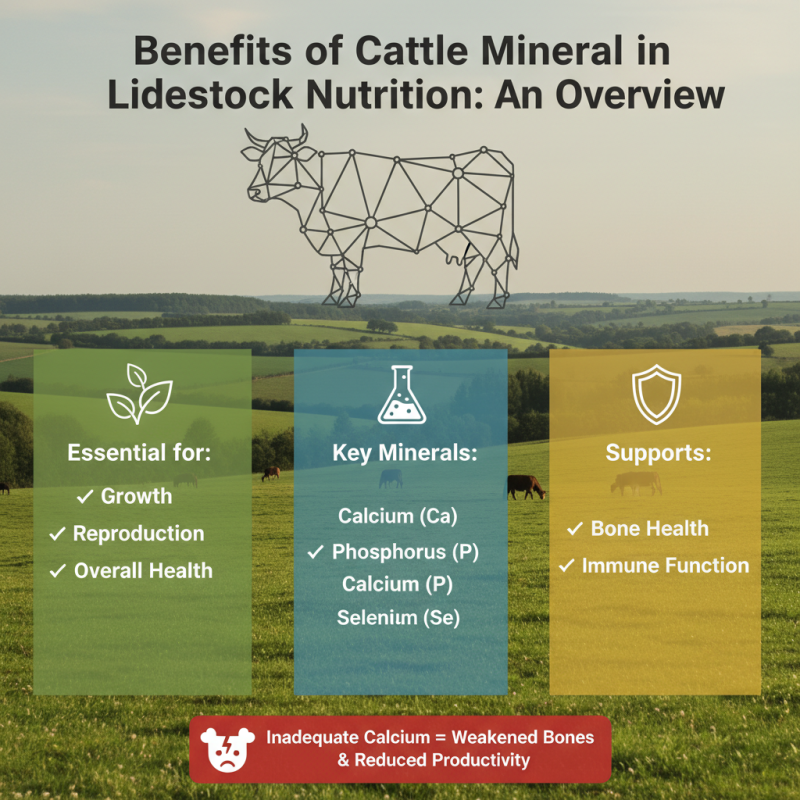
Benefits of Cattle Mineral in Livestock Nutrition: An Overview
Cattle mineral plays a crucial role in livestock nutrition. These minerals are essential for growth, reproduction, and overall health. Livestock require various minerals, such as calcium, phosphorus, and selenium. A balanced mineral intake supports bone health and immune function. For instance, inadequate calcium can lead to weakened bones in cattle, affecting their productivity.
When selecting cattle mineral supplements, consider the specific needs of your herd. Different breeds and ages require varying nutrient levels. A nutritional assessment can identify potential deficiencies. Consulting with a livestock nutritionist can help optimize your cattle's diet.
Tips: Monitor your cattle's behavior and health closely. Look for signs of mineral deficiencies, like poor coat condition or reduced appetite. Keep records of mineral intake to track changes over time. This data can guide adjustments in their diet, ensuring they receive the right balance for optimal health. Remember, ongoing evaluation and adaptation are key for effective livestock nutrition.
Importance of Mineral Balance in Cattle for Optimal Health and Growth
Cattle mineral balance plays a crucial role in promoting optimal health and growth in livestock. Minerals are essential nutrients that support various physiological functions in cattle. These include bone development, immune response, and reproduction. An imbalance can lead to serious health issues. For instance, a deficiency in specific minerals can cause developmental problems in young calves.
Adequate mineral supplementation is vital for cattle herds. Common minerals like calcium, phosphorus, and magnesium are often overlooked. Cattle require these minerals in specific ratios. Too much or too little can hinder their growth rates. Many farmers might not realize the subtle signs of mineral deficiencies. Weak bones and low fertility rates are sometimes dismissed as age or genetics.
Evaluating mineral intake regularly is essential for effective cattle management. Some farmers rely solely on pasture quality, which can vary. Soil composition directly affects mineral content in forage. Regular testing of soil and water sources can reveal deficiencies. Addressing these issues early can enhance herd performance and livelihood. Balancing minerals is not only about meeting nutritional needs; it’s key to sustainable livestock production.
Key Minerals: Essential Nutrients and Their Role in Livestock Productivity
Cattle mineral plays a vital role in livestock nutrition, impacting overall productivity and health. Essential minerals, such as calcium, phosphorus, and magnesium, help maintain strong bones and energy levels. Deficiencies can lead to serious health issues, like milk fever or weak growth in young calves.
Sodium is crucial for hydration and electrolyte balance. Without adequate sodium, livestock may show poor growth rates and decreased milk production. Zinc supports immune function, while copper aids in iron absorption. These minerals work together to optimize livestock performance.
Understanding the specific mineral needs of cattle is essential for effective management. Each herd may require different supplementation based on their diet, climate, and production goals. Regular evaluation of livestock mineral intake can reveal gaps and areas for improvement. Taking a proactive approach ensures cattle thrive, but it requires ongoing assessment and adjustments.
Impact of Mineral Deficiencies on Cattle Performance and Economic Returns
Mineral deficiencies can significantly impact cattle performance and, consequently, economic returns. Essential minerals like zinc, copper, and selenium play a crucial role in growth and reproduction. A lack of these minerals can lead to stunted growth and poor fertility rates. Farmers often overlook these deficiencies until it's too late.
The economic implications are staggering. Poorly performing cattle can mean lower meat quality and reduced milk production. In some cases, the costs associated with treating deficiencies outweigh the potential profits. It's essential for farmers to conduct regular mineral assessments and adapt their feeding programs accordingly.
Every herd is unique. What works for one might not work for another. Trials are necessary to determine the right mineral balance for each situation. Decisions in nutrition should be informed by data, but there's always room for adjustments. Continuous learning and adaptation are key for successful livestock management. While it’s easy to underestimate these elements, they are fundamental for sustainable cattle farming practices.
Exploring the Benefits of Cattle Mineral in 2026 Top Livestock Nutrition
| Mineral Type |
Function |
Deficiency Symptoms |
Impact on Performance |
Economic Impact ($/head) |
| Calcium |
Bone development, muscle contraction |
Weak bones, milk fever |
Decreased growth rates |
$50 |
| Phosphorus |
Energy metabolism, bone growth |
Poor appetite, low fertility |
Lower milk and meat production |
$40 |
| Magnesium |
Nerve function, energy transfer |
Muscle tremors, grass tetany |
Reduced feed efficiency |
$30 |
| Copper |
Hemoglobin formation, immune function |
Anemia, poor coat condition |
Lower weight gain |
$20 |
| Zinc |
Immune response, skin integrity |
Skin lesions, reduced growth |
Increased disease susceptibility |
$25 |