Top 10 Benefits of Using Deer Corn for Your Livestock?
Deer corn is becoming a popular choice for livestock feed. This high-energy grain offers several advantages that can enhance livestock productivity. According to the National Corn Growers Association, deer corn yields an impressive amount of energy per bushel, making it a cost-effective feed option for farmers.
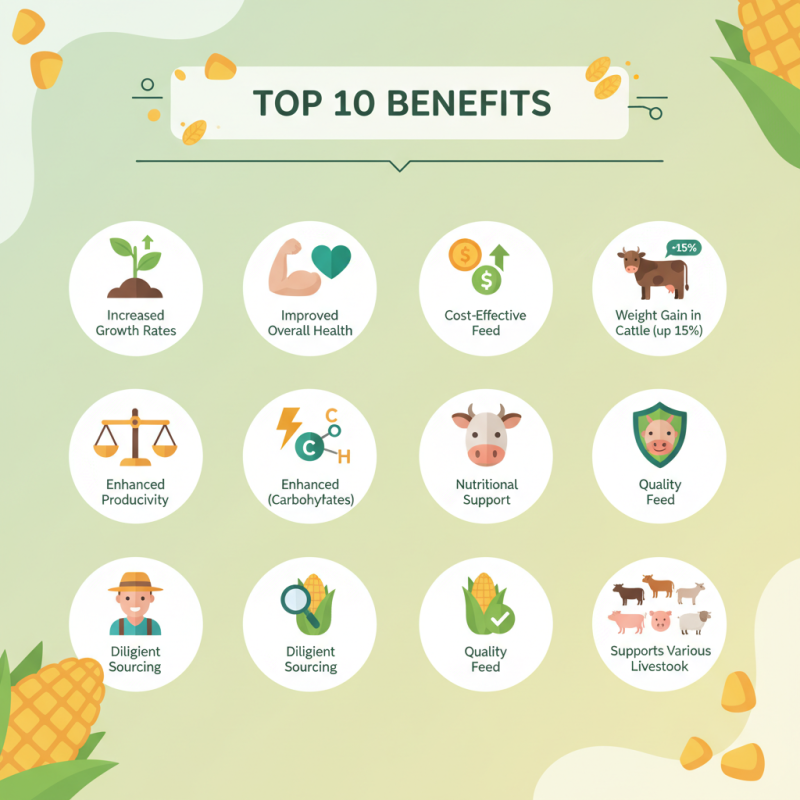
Utilizing deer corn can improve the growth rates and overall health of livestock. A study from the Animal Science Journal indicates that feeding deer corn increases weight gain by up to 15% in cattle. This grain also provides a significant amount of carbohydrates, which are vital for energy. However, it is crucial to ensure proper feeding ratios to avoid any nutritional imbalances.
While deer corn offers many benefits, it is not a one-size-fits-all solution. Farmers must consider their livestock’s unique dietary needs. Ensuring quality and fresh deer corn is essential. Poor-quality feed can negate the expected benefits and lead to health issues. This requires farmers to remain diligent in sourcing and evaluating their feed options.
Benefits of Deer Corn as a Nutritional Supplement for Livestock
Deer corn is increasingly recognized as an effective nutritional supplement for livestock. A study by the Agricultural Research Service indicates that corn's
high energy content supports weight gain and overall health. It contains essential carbohydrates, promoting efficient growth in animals.
The digestibility of deer corn is notably high, making it a preferred choice among animal nutritionists.
Beyond energy, deer corn is rich in vitamins and minerals. According to data from livestock nutrition surveys, it provides a source of critical nutrients such as
phosphorus and potassium. These elements are vital for bone development and metabolic functions in livestock. Ensuring a balanced intake can improve health outcomes,
as confirmed by various livestock studies.
Tip: Regularly monitor livestock for signs of dietary deficiencies. Adjust intake based on growth stages and production goals.
Overreliance on one type of feed can lead to nutritional imbalances. Exploring diverse feed options alongside deer corn can enhance livestock health.
Tip: Pay attention to the quality of corn. Contaminated or low-quality corn can introduce health risks. Testing samples regularly can prevent potential issues in your livestock’s diet.
Selecting deer corn enhances your livestock's diet. However, balance with other nutrients is key to optimal growth.
Make informed decisions to sustain healthy herds.
Enhancing Animal Growth Rates with Deer Corn: A Data-Driven Approach
Deer corn is a valuable feed option for livestock. Its high carbohydrate content boosts energy levels. This is especially crucial during growth spurts. Research shows that animals consuming deer corn gain weight more rapidly. This weight gain translates into better market readiness and profitability for farmers.
Moreover, deer corn is a cost-effective feed choice. It often costs less than traditional grains. However, it's important to monitor feeding amounts. Overfeeding may lead to digestive issues in livestock. Balancing the diet is crucial for optimal health. Not all livestock respond the same way to deer corn.
Moreover, the nutritional benefits of deer corn extend beyond energy. It contains essential vitamins and minerals. These contribute to overall well-being. However, relying solely on one feed type may create imbalances. A diverse diet can enhance growth and health even further. Regular assessments of animal health are necessary to ensure effective use of deer corn.
Top 10 Benefits of Using Deer Corn for Your Livestock
Economic Impact: Cost-Effectiveness of Deer Corn in Livestock Diets
Deer corn is gaining popularity as a feed option for livestock. Economically, it is a cost-effective choice. Farmers appreciate its affordability compared to traditional grains. This can significantly reduce feed costs over time. A well-balanced diet improves overall animal health. Healthier livestock often means higher production levels.
However, careful consideration is necessary. Not all livestock may digest deer corn effectively. Some animals might experience digestive issues, leading to unexpected costs. Monitoring animal health is vital when introducing new feeds. Educating yourself about deer corn’s nutritional profile is essential. Individual nutritional needs must be taken into account.
Incorporating deer corn could alter feeding routines. This change can create stress for both farmers and animals. Effective transition plans are critical. Evaluate how deer corn fits into your overall feeding strategy. This approach ensures a smooth adaptation. Balancing cost and health is key to successful livestock management.
Top 10 Benefits of Using Deer Corn for Your Livestock
| Benefit |
Description |
Economic Impact |
| High Energy Content |
Deer corn is rich in carbohydrates, providing a high-energy diet for livestock. |
Improves growth rates, leading to better feed efficiency. |
| Cost-Effectiveness |
Deer corn is often less expensive than other grain sources. |
Reduces feed costs overall, enhancing profitability. |
| Versatile Ingredient |
Suitable for various types of livestock including cattle, goats, and pigs. |
Increases flexibility in feed formulations. |
| Palatability |
Livestock readily consume deer corn due to its sweet taste. |
Encourages consistent intake, resulting in stable weight gain. |
| Nutritional Balance |
Provides essential nutrients needed for livestock health. |
Improves overall herd health, potentially reducing veterinary costs. |
| Diverse Feeding Options |
Can be mixed with other feeds or used as a standalone feed. |
Allows tailored diets to meet specific livestock needs. |
| Low Fat Content |
Deer corn typically has lower fat levels compared to other feeds. |
Helps in maintaining a healthy weight in livestock. |
| Availability |
Widely available in many agricultural regions. |
Ensures reliable access to feed year-round. |
| Support for Local Farmers |
Encourages use of locally sourced feed products. |
Boosts local economies through agricultural support. |
| Sustainability |
Deer corn can be sourced sustainably with proper farming practices. |
Long-term cost savings through sustainable operations. |
Nutritional Comparison: Deer Corn Versus Traditional Livestock Feed
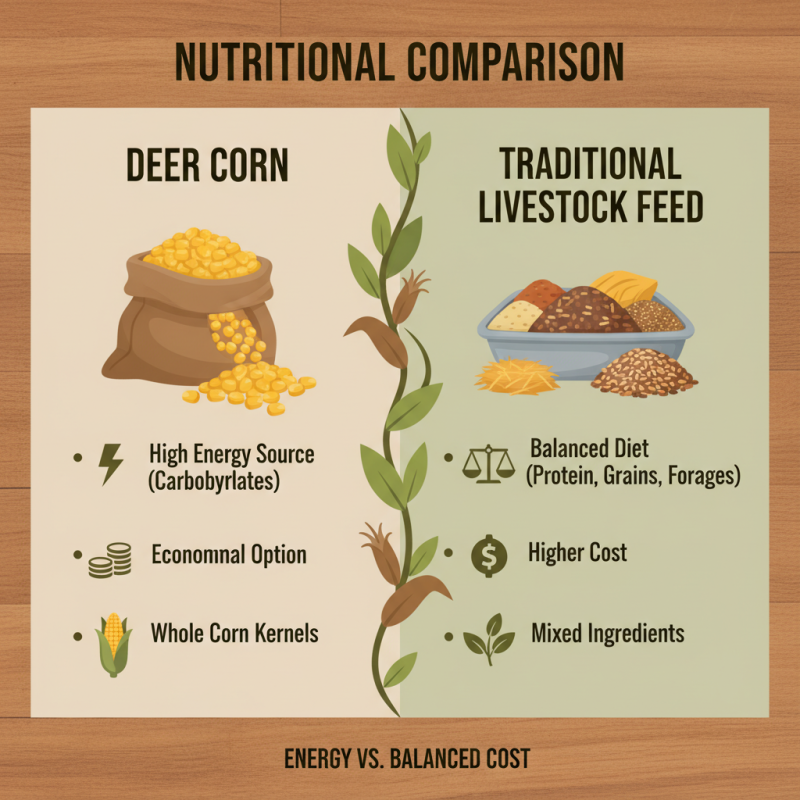
When comparing deer corn to traditional livestock feed, the nutritional profile is quite interesting. Deer corn is primarily made up of whole corn kernels. It's rich in carbohydrates, providing a high energy source for livestock. Traditional feeds may include a mix of grains, forages, and protein sources. While they offer a balanced diet, they often come at a higher cost. In contrast, deer corn can be a more economical option without sacrificing energy levels.
Tips: If you consider switching to deer corn, monitor your livestock’s overall health closely. Some animals may need gradual adjustments. Be mindful of their intake to prevent digestive issues.
One possible drawback of deer corn is its low protein content. Traditional feeds often contain higher levels of protein, which is crucial for growth and reproduction. If your livestock has specific dietary needs, ensure they receive supplements to meet those needs.
Tips: Look for signs of nutritional deficiencies in your animals. Adjust their diet as needed. Always consult with a veterinarian for tailored advice regarding dietary changes.
Improving Livestock Health: Scientific Studies on Deer Corn Benefits
Deer corn has gained attention for its potential benefits in livestock health. Rich in carbohydrates, this feed can enhance energy levels for animals, promoting better growth and production rates. A study conducted by the American Veterinary Medical Association noted improved weight gain in cattle fed a diet containing deer corn. This feed can support optimal muscle development, essential for beef production.
Moreover, deer corn is packed with essential nutrients, including vitamins and minerals. These components are crucial for maintaining robust immune systems in livestock. Research published in the Journal of Animal Science revealed that livestock consuming high-energy diets exhibited lower incidences of disease. This finding highlights the importance of nutrient-rich feeds like deer corn in preventing health issues.
However, it's essential to monitor the quantity of deer corn fed to livestock. Overreliance on high-carb feeds can lead to obesity and related health problems. Balancing deer corn with other feeds is crucial for a sustainable approach. While deer corn shows promise, ongoing research is needed to fully understand its long-term implications on livestock health.