10 Best Animal Nutrition Tips for Healthy Pets and Livestock?
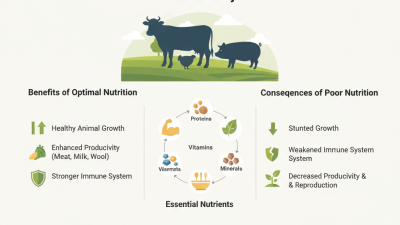
Healthy pets and livestock are essential for our well-being. Proper animal nutrition plays a key role in achieving this goal. When animals receive balanced diets, they thrive, improving their quality of life. Good nutrition impacts growth, reproduction, and overall health.
Understanding the nutritional needs of different species can be challenging. Every animal has unique dietary requirements based on age, size, and activity level. Misunderstanding these needs can lead to serious health issues. For example, feeding livestock too much grain can cause digestive problems. Similarly, pets may become overweight from excess treats.
Our choices in animal nutrition must be thoughtful. Quality ingredients matter. Fresh, whole foods often provide better nutrients compared to processed options. It's crucial to stay informed and adjust diets as needed. Keeping our animals healthy is a shared responsibility. Taking time to learn about their needs ensures a happier, healthier life for all.

Understanding the Nutritional Needs of Different Animal Species
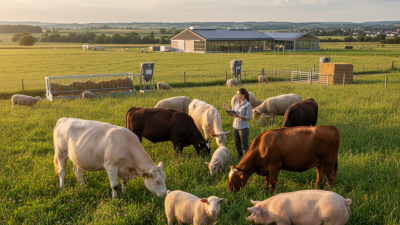
Understanding the nutritional needs of different animal species is crucial for their health. Each species has unique dietary requirements that must be met. For example, cats need a diet high in protein while dogs benefit from a balanced mix of proteins and carbohydrates. Livestock, like cows and pigs, thrive on forages and grains. Well-rounded diets ensure optimal growth and productivity.
Water is a vital component of any animal's diet. Sometimes, it's overlooked. Animals need access to fresh water at all times. Dehydration can lead to serious health issues. Additionally, some animals may require supplements to meet their specific needs. This is especially true for pregnant or lactating females.
It’s important to observe animals closely. Picking up on subtle changes in behavior can indicate dietary deficiencies. Some owners may notice their pets becoming lethargic or losing weight. Regular feeding schedules help maintain a balanced intake. Experimenting with different food types can lead to better health, but it requires patience and ongoing observation. What works for one animal may not work for another. Adjustments should be made as needed.
Essential Nutrients for Optimal Pet and Livestock Health
Optimal health for pets and livestock hinges on essential nutrients. A balanced diet should include proteins, fats, carbohydrates, vitamins, and minerals. Reports suggest that about 30% of pet owners underestimate their animals' nutritional needs. For instance, a lack of omega-3 fatty acids can lead to skin issues and poor coat quality. It's crucial to ensure your pets receive these nutrients.
Livestock require specific dietary components for growth and productivity. According to the Animal Feed Industry Association, livestock diets should be 60% to 90% energy sources like grains. Yet, many producers overlook the importance of fiber. Fiber aids digestion and promotes healthy gut bacteria. Failing to provide enough can lead to serious health issues.
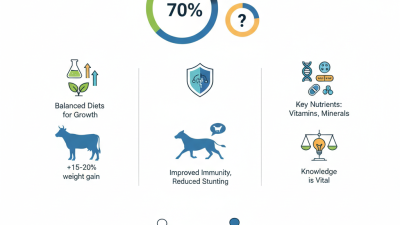
Pet and livestock nutrition is multifaceted. Many pet owners focus solely on taste, ignoring nutrient density. Studies indicate that pets fed nutrient-rich diets show improved behavior and longevity. Similarly, livestock fed a balanced diet have increased weight gain and reproductive success. Recognizing the gaps in your animals' diets can lead to healthier, happier lives.
10 Best Animal Nutrition Tips for Healthy Pets and Livestock
This bar chart represents the essential nutrients required for optimal health in pets and livestock. Proteins, fats, and carbohydrates make up the majority of their dietary needs, while vitamins, minerals, and water play crucial supportive roles in overall health.
Choosing the Right Commercial Diets for Your Animals
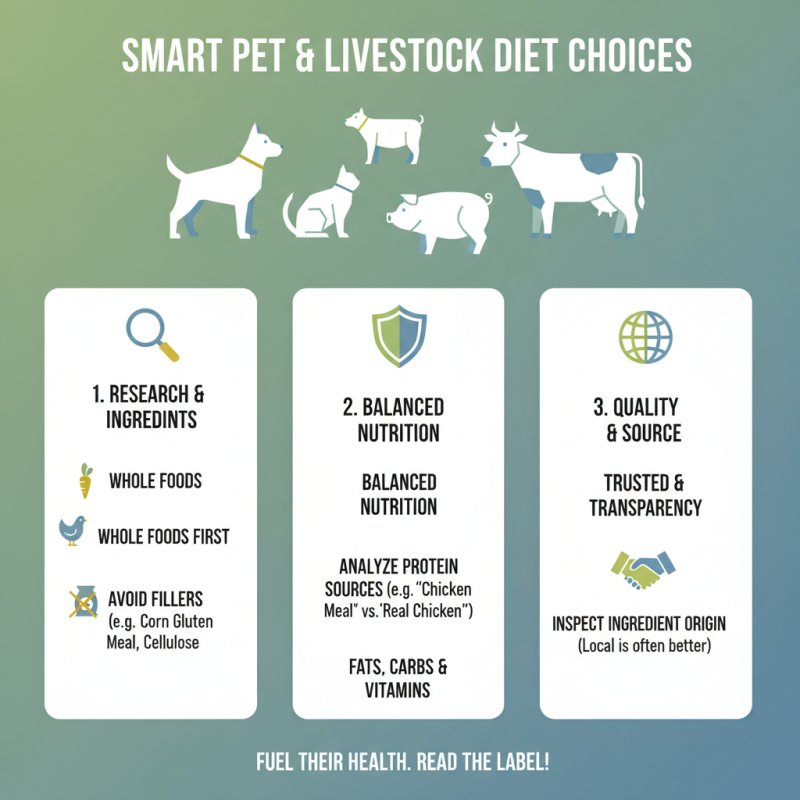
When it comes to choosing the right commercial diets for your pets and livestock, research plays a vital role. Look for diets that list whole ingredients and avoid fillers. Animals thrive on balanced nutrition. Analyze the specified protein sources. If possible, inspect the source of the ingredients, as quality varies significantly.
Tipping the scales of nutrition involves understanding your animals' needs. Some pets may require grain-free options. For others, high fiber can be essential. Be attentive to your animal’s reactions to different diets. Sometimes, what works for one doesn't for another. Observe their energy levels and coat health. Adjusting their diet may take time and patience.
Don’t overlook specialty diets for specific health issues. These can be crucial for aging pets or those with allergies. Experiment with various diets in moderation. It’s okay to mix things up. Balance is key. Keep in mind that finding the right diet is often a process of trial and error. Stay informed and flexible as your animals’ needs may change over time.
The Importance of Feeding Schedules and Portion Control
Feeding schedules and portion control are essential for both pets and livestock. Consistency matters. Animals thrive on routines. A set feeding time helps in digestion and can reduce anxiety. For pets like dogs and cats, stick to two meals a day. For larger animals, such as horses or cows, it's important to space out their feedings.
Portion control is equally crucial. Overfeeding can lead to obesity and related health issues. For example, a dog that always begs for more food might be consuming too many calories. Measuring food can prevent this. Use a scale or measuring cup to serve the right amount.
It's important to adjust portions based on activity level. An active dog needs more calories than a couch potato. Monitoring your animal's weight can provide valuable insights. Regular weigh-ins ensure your pet or livestock receives the right nutrition. However, it can be tough to be consistent, and that's okay. Each animal is unique, and finding the perfect routine takes time. Reflecting on their needs helps create a balanced life for them.
Monitoring Animal Health: Signs of Nutritional Deficiencies
Recognizing signs of nutritional deficiencies in pets and livestock is crucial for their well-being. Animals often cannot vocalize their discomfort. Observing their behavior is key. For instance, a sudden decrease in energy can hint at vitamin deficiencies. Animals may appear dull or less active than usual. This change might indicate an imbalance in their diet.
Physical symptoms can also reveal nutritional issues. Poor coat quality, excessive shedding, or dry skin often points to inadequate fatty acids. Animals might develop unusual cravings, seeking out unusual foods. This behavior could signal a lack of essential minerals. For example, a cow may chew on wood if it’s lacking in minerals like calcium. It's important to watch closely for these signs.
Additionally, weight loss or stunted growth can reflect serious dietary problems. If pet or livestock owners notice drastic changes, consulting a veterinarian is vital. Regular check-ins on body condition can help catch issues early. Balanced nutrition is more than just avoiding starvation; it’s about thriving. Continuously educating oneself about animal health is essential. Mistakes in diet can happen, but awareness is where improvement begins.