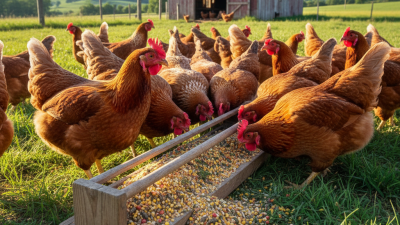
For bulk buyers, choosing a chicken feed supplier is a practical decision with consequences across the whole flock. A lower price per ton can look attractive on paper. But inconsistent nutrient levels, delayed deliveries, or poor storage may cost more over time. Buyers should compare feed formulas, ingredient transparency, quality controls, minimum orders, and delivery terms. Ask for current product specifications and confirm how each shipment is protected from moisture and contamination. Details matter. A damp bag in a warehouse can tell a different story from a polished product sheet.
Poultry nutrition specialist Dr. Charles Stark offers a useful reminder: “Buy for consistent nutrition and dependable delivery, not price alone.” Use that principle as a starting point, then verify every claim with supplier records and your flock’s performance. Track feed intake, egg production or growth, and changes in feed conversion. Results vary by bird age, breed, housing, and management. No supplier can promise the same outcome on every farm.
This guide compares leading options for 2026 bulk purchasing. It focuses on the questions buyers can test: Are formulas clearly labeled? Can the supplier handle repeat orders? Are delivery schedules realistic? Does customer support respond when a load arrives late? Ask for references from farms with similar needs, and request a small trial order when feasible. A supplier’s reputation matters. So does the feed in the trough.
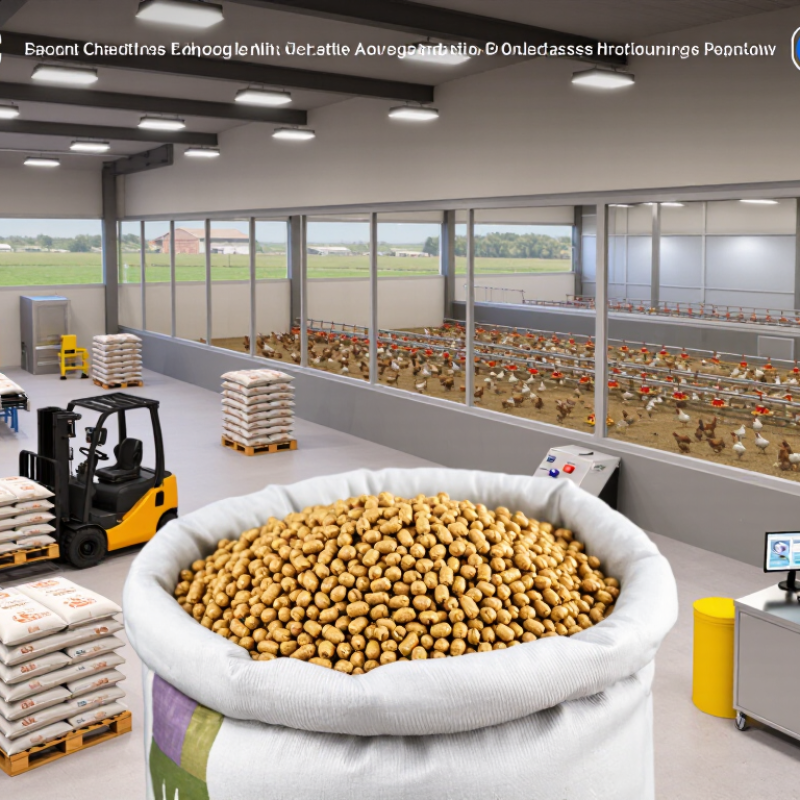
Bulk chicken feed needs start with the flock, not the truck size. Alltech’s 2025 Agri-Food Outlook estimated global feed production at 1.396 billion metric tons in 2024, a 1.2% increase from 2023. That scale makes dependable supply important, but a large shipment is useful only when its nutrient profile suits the birds. Broilers, layers, and pullets need different feed specifications. Age, production stage, and ingredient availability also affect the right balance of energy, protein, amino acids, and minerals.
For bulk orders, request a written specification and a recent certificate of analysis. Check moisture, particle size, and storage guidance, and ask how batches are tested for nutrient variation and mycotoxins. Freshness matters. Confirm delivery frequency and unloading capacity before ordering; a silo that cannot be emptied cleanly can leave old feed behind. Keep storage dry, inspect it for leaks, and rotate stock by delivery date. Not glamorous. I would also compare the delivered cost per usable ton, not just the quoted price. Freight, handling losses, and inconsistent batches can quietly erase apparent savings. Revisit the specification with a qualified poultry nutritionist when flock performance or local ingredients change. Bulk buying rewards planning, though even a careful plan needs occasional correction.
A practical, brand-neutral guide to comparing feed programs and supplier capabilities for larger poultry orders.
| Feed Program | Typical Bird Stage | Typical Crude Protein | Typical Calcium | Common Feed Form | Bulk-Buyer Checks |
|---|---|---|---|---|---|
| Broiler starter | Newly placed chicks through the early growth phase; follow the flock’s feeding program. | About 20–23% | About 0.9–1.1% | Crumbles or small pellets | Confirm the intended age range, particle size, nutrient guarantee, and whether the formula includes any medication. |
| Broiler grower | Intermediate growth phase before the finishing diet. | About 18–21% | About 0.8–1.0% | Pellets or crumbles | Check the changeover schedule, pellet quality, delivery consistency, and batch documentation. |
| Broiler finisher | Later growth phase, with the feeding period determined by the production plan. | About 18–20% | About 0.8–1.0% | Pellets | Verify the stated withdrawal instructions for any medicated feed and confirm the formula suits the flock’s production system. |
| Pullet starter | Young replacement chicks during early development. | About 18–20% | About 0.8–1.0% | Crumbles or small pellets | Confirm that the product is formulated for pullets rather than meat birds, and ask for the complete nutrient specification. |
| Pullet grower | Growing replacement birds before the transition to a layer ration. | About 14–16% | About 0.8–1.0% | Pellets, crumbles, or mash | Ask when to transition to the next ration; avoid using a high-calcium layer diet for immature birds unless advised by a qualified poultry nutritionist. |
| Layer ration | Actively laying hens. | About 16–18% | About 3.5–4.5% | Mash, pellets, or crumbles | Check calcium level and particle form, confirm the ration is intended for laying hens, and review any separate oyster-shell or calcium guidance. |
| Breeder ration | Breeding flocks; requirements vary with bird type and production phase. | Formulation is flock-specific | Formulation is flock-specific | Mash or pellets | Request a program matched to the flock’s age, strain, and production goals; do not substitute a standard layer ration without professional guidance. |
Bulk sourcing checklist: Ask each supplier for a current product specification, guaranteed analysis, ingredient and medication details, lot identification, delivery format, minimum order, lead time, and storage guidance. Nutrient ranges above are typical examples, not universal specifications; actual formulations vary by region, manufacturer, bird type, and production program. Follow the feed label and consult a poultry nutrition professional for flock-specific requirements.
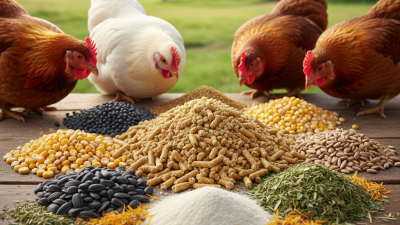
Bulk buyers usually encounter three main types of chicken feed suppliers: feed mills, agricultural cooperatives or local dealers, and specialist bulk distributors. Each serves a different need. Mills may offer consistent formulas and direct access to production details. Ask about ingredient specifications, batch testing, and delivery capacity before comparing prices. A low price means little if a shipment arrives late or its nutrient profile changes.
Cooperatives and local dealers can provide practical guidance and smaller, more flexible deliveries. This suits farms with limited storage or changing flock sizes. Specialist distributors may carry organic, medicated-free, or life-stage-specific feed options, but availability varies by region. Check the feed label for protein, calcium, and energy levels that match the birds’ age and purpose. One detail buyers sometimes overlook is packaging: damaged bags can expose feed to moisture and pests. That distinction is easy to miss.
Tips: Request a recent product specification sheet and a sample when possible. Confirm minimum order quantities, storage conditions, and delivery schedules in writing. Compare total delivered cost, not just the price per ton. Ask clear questions; a vague answer deserves a second look.
For bulk buyers, chicken feed quality starts with a consistent formula, not an attractive price sheet. Check the guaranteed analysis for protein, fiber, calcium, and other nutrients suited to your flock’s age and purpose. Ask suppliers for recent batch documentation and clear ingredient specifications. Small details matter. A dusty sack or uneven pellets can signal handling or consistency problems, though appearance alone cannot prove feed quality.
Compare total delivered cost rather than the quoted price per ton. Include freight, minimum order size, unloading requirements, and any charges for split deliveries. Then examine delivery performance: ask about lead times, order cutoffs, and how delays are communicated. A dependable schedule helps prevent empty bins, especially when storage space is limited. Still, no supplier can promise perfect timing every week.
Request a sample and inspect its texture, smell, and packaging before placing a large order. Confirm that bulk loads arrive in clean, dry vehicles and that bags or bins stay protected from moisture. References from farms with similar flock sizes can reveal useful patterns, but one buyer’s experience is not a guarantee. I would also review demand forecasts carefully; they can be wrong, and overordering ties up cash. A fair comparison weighs documented quality, transparent pricing, and realistic delivery commitments together.
For bulk chicken feed, a certificate is a starting point, not proof that every shipment meets the same standard. Ask suppliers for current facility certificates and confirm their scope, expiry date, and issuing body. Check whether the documents cover feed production and the specific site supplying your order. Details matter.
Request a recent batch certificate of analysis, with results tied to a lot number. Depending on ingredients, relevant checks may include moisture, nutrient levels, and testing for contaminants such as mycotoxins. Ask how samples are collected and stored, and how a problem lot is isolated. A polished document can still leave gaps. Verify the paperwork against the bag label and delivery records; this step is easy to rush.
Supply capacity deserves the same scrutiny. Compare stated monthly output with your forecast, minimum order size, and delivery window. Ask what happens during harvest delays, equipment maintenance, or transport disruption. A supplier should explain storage conditions, stock rotation, and how it tracks batches from intake to dispatch. Request a small trial shipment before scaling up. It may seem cautious, perhaps overly so, but one delayed truck can disrupt feeding schedules. Look for clear answers, not just large capacity claims.
Planning a Reliable Bulk Feed Purchasing Strategy
A dependable bulk purchasing plan begins with actual flock numbers, age groups, and weekly consumption. Review at least several weeks of usage before estimating order size. Then compare that estimate with storage capacity and delivery schedules. A low unit price can lose its value if feed sits too long or arrives after bins run low. Ask suppliers for written product specifications, batch details, delivery windows, and clear procedures for handling damaged or delayed orders. Keep those records with invoices. They make later comparisons more useful.
Tips: Set a reorder point based on average daily use and realistic delivery time. Leave a modest buffer for delays, but avoid buying more than your storage can protect from moisture, pests, and temperature swings. Check bin seals and inspect each delivery for torn bags, unusual odors, or incorrect labels.
Review the plan monthly, especially when flock size, weather, or feed use changes. Track delivered cost, not just quoted price; transport and handling can shift the calculation. A spreadsheet helps, though its neat figures can create false confidence. Forecasts are imperfect. If actual consumption keeps differing from estimates, investigate before simply increasing the order. Reliable purchasing comes from consistent checks, clear communication, and adjusting the plan when the numbers do not match the coop.
Compare bulk-feed specifications against the nutritional needs of each flock stage. This chart shows representative crude-protein targets: starter feed, 20–22%; grower feed, 16–18%; and layer feed, 16–18%.
The bars show the midpoint of each representative range, not a universal feed specification. When evaluating bulk suppliers, verify each lot’s guaranteed analysis and match the full nutrient profile to bird age, breed, and production goals.