Best Deer Corn for Global Buyers What to Consider?
When purchasing deer corn, there are several factors to consider. The market for deer corn has grown, attracting global buyers. Quality and pricing can vary widely, impacting decisions. Understanding the types available is vital for making an informed choice.
Deer corn can differ in nutritional content and processing methods. Some brands provide higher fat content, while others focus on pure grain. Buyers need to know what they are feeding their deer. Look for certifications or endorsements from wildlife experts to ensure quality.
Importantly, establishing a reliable supplier is key. A trustworthy source guarantees product consistency. Also, consider packaging and storage options when buying in bulk. Reflecting on these details enhances your deer corn purchasing experience. Balancing quality, cost, and supplier reliability leads to better outcomes for hunters and wildlife enthusiasts alike.
Types of Deer Corn Available for Global Buyers
When considering deer corn, global buyers face several options. The primary types include whole corn, cracked corn, and flavored varieties. Whole corn is often praised for its high energy content. It provides a solid food source for deer, particularly in colder months. However, its size may deter smaller animals or birds.
Cracked corn offers a solution for these challenges. The smaller pieces attract a wider range of wildlife, making it appealing for mixed-species feeding. Additionally, flavored deer corn is gaining popularity. These variants often contain added nutrients or attractants, enticing deer with unique scents and tastes. However, striking the right balance in flavoring can be tricky. Overly sweet or unnatural scents may deter rather than attract.
Global buyers must also consider packaging and preservation. Bulk purchases can be economical but require storage solutions to maintain freshness. While convenience matters, proper handling remains crucial to avoid spoilage. Rethinking storage practices is essential. Balancing quality with quantity can often lead to reflections on purchasing decisions. Each type of deer corn has its strengths and weaknesses. Understanding these intricacies can enhance the hunting experience and support wildlife management efforts.
Nutritional Value and Quality Indicators of Deer Corn
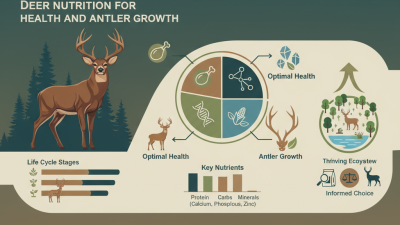
When considering the nutritional value and quality indicators of deer corn, it's essential to focus on several key aspects. High-quality deer corn typically contains an optimal blend of carbohydrates, proteins, and fats. According to recent studies, deer corn should ideally have a protein content of at least 8-12%. This level supports strong antler growth and overall health in deer.
Moisture content is another important factor. It should remain below 13% to prevent mold and spoilage. Moldy corn can lead to health issues in deer, such as mycotoxin exposure. A frequently overlooked aspect is the quality of the kernels. Larger, uniformly shaped kernels have higher feeding efficiency. Smaller kernels may lead to waste and poor consumption rates.
While evaluating deer corn, buyers should also consider the mineral content. Essential minerals like calcium and phosphorus should be present in a balanced ratio. Too much or too little of these minerals can hinder growth. Additionally, buyers should be aware of the sourcing of their corn. Local regulations and quality control measures should always be checked to ensure reliability. Understanding these factors is vital for selecting the best deer corn for optimal benefits.
Factors Influencing the Selection of Deer Corn
When selecting deer corn, several factors come into play. Sourcing high-quality corn is essential. According to the National Wildlife Federation, corn must be nutritionally balanced to support deer health. Analyzing protein content is crucial. Ideally, deer corn should contain about 8-12% protein to maintain body condition. This nutritional aspect plays a significant role in attracting deer to feeding locations.
Moisture content should also be evaluated. Excess moisture can lead to spoilage, affecting palatability and safety. Research suggests maintaining moisture levels below 12% to ensure longevity. Furthermore, the selection of corn type impacts overall effectiveness. Whole kernel corn tends to be more appealing than processed varieties. This preference can lead to increased deer visits, thus enhancing hunter opportunities and observing wildlife.
Packaging and storage conditions are vital for preserving deer corn quality. Studies show that exposure to air can degrade nutritional value. Using airtight containers can extend shelf life significantly. Price is a factor but should not overshadow quality. Consumers are encouraged to prioritize nutritional value over cost to support local deer populations effectively.
Packaging and Storage Considerations for Deer Corn
Choosing the right packaging for deer corn is crucial for maintaining its quality and effectiveness. Ideally, bulk packaging in breathable materials is preferable. This allows moisture control and minimizes the risk of spoilage. According to a report by the Agricultural Marketing Resource Center, proper storage can extend the shelf life of deer corn by up to 30%. It's vital to monitor humidity levels in storage areas to prevent mold growth.
Storage suggestions include using airtight bins or containers that limit exposure to pests. Regularly check for signs of spoilage, such as odor or discoloration. A simple visual inspection can help identify issues early. Many suppliers recommend avoiding plastic bags, which can trap moisture, leading to decay.
Consider the size of your packaging. Smaller bags may be convenient for individual hunters, while larger sacks benefit those who feed deer in bulk. Balancing convenience and freshness is essential. Keep in mind that consumers prefer options that are easy to move and store. Overpacking can lead to waste if small amounts spoil before use. Addressing these factors ensures a more satisfying experience for buyers.
Best Deer Corn for Global Buyers: What to Consider? - Packaging and Storage Considerations for Deer Corn
| Type of Corn |
Package Size (lbs) |
Packaging Type |
Storage Recommendations |
Shelf Life |
| Field Corn |
50 |
Plastic Bag |
Cool, dry place |
1 year |
| Sweet Corn |
25 |
Vacuum Sealed Bag |
Refrigerate after opening |
6 months |
| Cracked Corn |
40 |
Paper Bag |
Store in a dry area |
1 year |
| Whole Kernels |
60 |
Plastic Bucket |
Keep sealed |
2 years |
| Deer Feed Mix |
30 |
Sack |
Store in a cool place |
8 months |
Market Trends and Pricing for Deer Corn Globally
The global deer corn market is evolving. Analyzing current trends reveals significant variations in pricing across different regions. According to recent industry reports, the average price of deer corn in North America is about $180 per ton, while Europe shows a range from $150 to $200 per ton. These fluctuations are influenced by local agricultural conditions, market demand, and logistical factors.
Buyers should consider sourcing from regions with optimal growing conditions. Weather conditions impact yield significantly. Reports indicate a 15% yield decrease in regions affected by drought. Sustainability practices are gaining traction too, with an increasing demand for organic options. This reflects a shift towards environmentally-friendly farming, driving up organic deer corn prices.
When assessing options, think about quality versus cost. Sometimes, the cheapest option might not provide the best nutrition for deer. Look for products that specify protein content and mineral analysis. Engaging with local farmers can also offer insights into the best practices. This peer knowledge can help enhance your overall understanding of deer corn.