Best Goat Feed Options for Optimal Health and Growth?
In the pursuit of optimal health and growth for goats, choosing the right goat feed is crucial. Renowned goat nutrition expert Dr. Emily Harris states, “The foundation of a goat's health lies in its diet.” This highlights the importance of selecting high-quality feed options tailored to specific needs.
Goats are unique animals with diverse nutritional requirements. They thrive on a balanced diet that includes fiber, protein, and essential minerals. Understanding these needs can be challenging for many goat owners. A common mistake is opting for generic feeds that may not meet the nutritional demands of their goats.
Proper goat feed should prioritize digestibility and nutrient density. A well-formulated diet supports not just growth but overall well-being in goats. Owners must remain vigilant about sourcing reliable feed options. It's essential to evaluate and adjust feeding practices regularly. Reflecting on these needs ensures healthier herds and productive outcomes.
Best Goat Feed Options for Optimal Health and Growth
When it comes to goat nutrition, choosing the right feed is crucial for their health and growth. Goats require a balanced diet to thrive. According to research from the University of Maryland, high-quality forage should comprise at least 60% of their diet. This includes access to pasture, hay, and browse. The remaining percentage should contain grains and specialized feed mixes. Ensuring proper mineral supplementation is also vital. A deficiency can lead to serious health issues.
Studies indicate that protein levels in goat feed are significant. Adult goats generally need around 12-16% crude protein, depending on their production stage. Lactating does and growing kids require higher protein, often up to 18%. However, achieving this balance can be challenging. Some may inadvertently choose feeds with fillers or low-quality ingredients. This can affect growth rates and overall health.
Monitoring body condition scores can provide insight into their nutritional status. A score between 2 and 4 is ideal. Regular assessments help identify whether dietary adjustments are necessary. It's crucial to remain vigilant and aware of their dietary needs. Overlooking nutritional balance may lead to decreased productivity and health concerns.
Understanding Nutritional Requirements for Healthy Goats
Understanding the nutritional requirements for healthy goats is crucial for their growth and overall well-being. Goats are ruminants, requiring a balanced diet that includes forage and concentrated feed. Quality hay and pasture should form the base of their diet. Goats need access to clean, fresh water at all times, as hydration is vital for digestion.
The right mix of vitamins and minerals is also necessary. Goats require calcium, phosphorus, and magnesium for bone health. Lack of these nutrients can lead to serious health issues. Regularly assessing their body condition can help identify any dietary shortcomings early on.
Different goat breeds might have varying needs based on age and purpose. Young goats, for example, need more protein for optimal growth. On the other hand, lactating does have higher energy demands. Balancing these needs can be challenging but is essential. Monitor their behavior and body weight to ensure nutritional adjustments are effective.
Best Goat Feed Options for Optimal Health and Growth
| Feed Type |
Key Nutrients |
Benefits |
Recommended Age Group |
| Alfalfa Hay |
High Protein, Calcium |
Promotes muscle growth and bone health |
Kids and Adults |
| Grain Mix |
Carbohydrates, Vitamins |
Energy source, enhances growth |
All Ages |
| Pasture |
Fiber, Trace Minerals |
Supports digestive health |
All Ages |
| Beet Pulp |
Fiber, Energy |
Improves digestion, aids weight gain |
Adults |
| Commercial Goat Pellets |
Balanced Nutrients, Vitamins |
Convenient complete nutrition |
All Ages |
Types of Feed: Concentrates, Forages, and Supplements
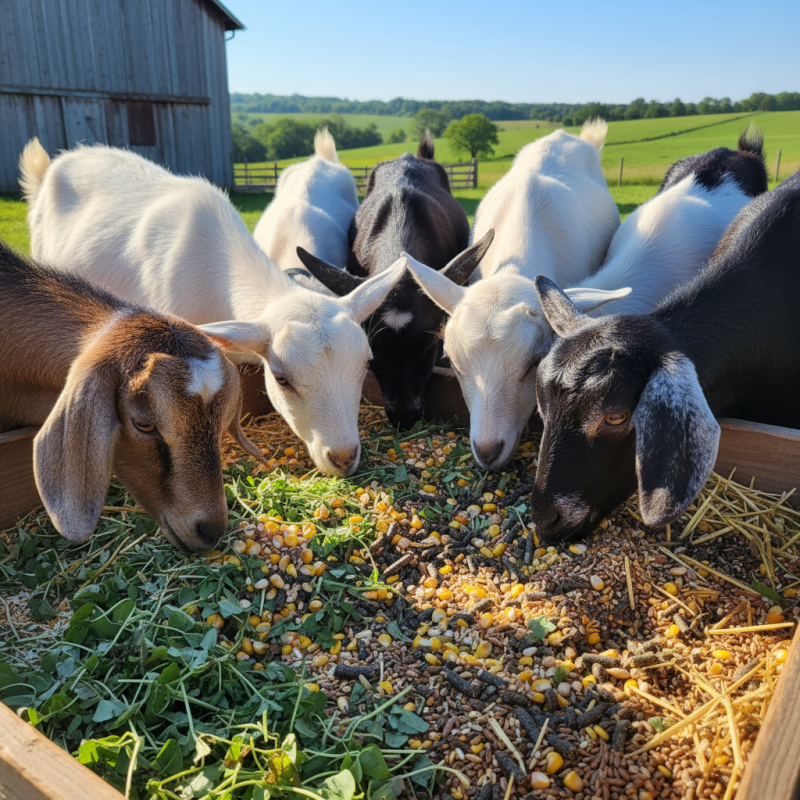
When considering the best goat feed options, it’s essential to focus on three primary types: concentrates, forages, and supplements. Concentrates are energy-dense feeds. They are typically grains or protein meals. These feeds help in building muscle and boosting milk production. However, over-reliance on concentrates can lead to digestive issues. Balance is key when using them.
Forages play a different but equally important role. Hay, pasture, and silage provide essential fiber. High-quality forages improve gut health and digestion. Goats naturally prefer to browse, so richer forages often lead to better intake. Despite this, not all forages are created equal. Some may lack the necessary nutrients. Regular evaluation of forage quality is necessary.
Then come the supplements. These are vital to correct nutrient deficiencies. Minerals and vitamins can enhance growth and overall health. Yet, over-supplementation can cause toxicity. Each goat is unique, and their needs differ. Regularly consulting with a nutrition expert can guide you in making the right choices. Observing your goats’ behavior and health will help in determining what they truly need.
Evaluating Protein Sources for Optimal Growth and Milk Production
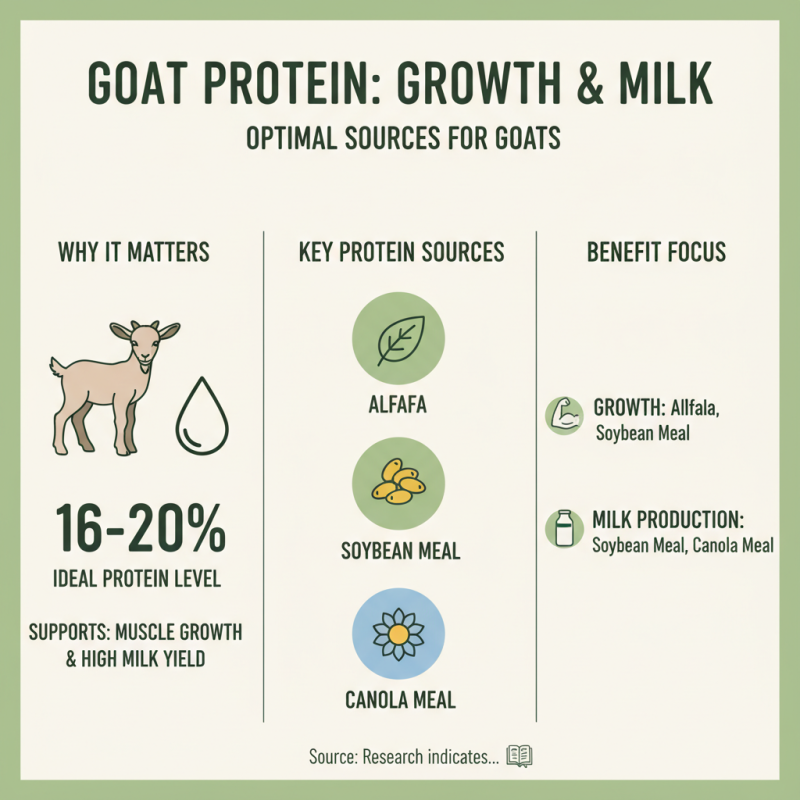
When evaluating protein sources for goats, it's vital to choose options that promote both growth and milk production. Research indicates that protein levels in goat feed should ideally be around 16-20% for growing kids and lactating does. This percentage supports robust development and high milk yield. Key protein sources include alfalfa, soybean meal, and canola meal. Each of these options carries distinct profiles that can be optimized for specific needs.
Tips: Introduce protein gradually to avoid digestive issues. Monitor goats closely during this transition.
However, balancing protein quality is as important as quantity. Not all proteins are created equal. Rumen degradability affects how effectively goats utilize these proteins. For instance, bypass protein sources can enhance overall nitrogen utilization in lactating diets. Unfortunately, many producers overlook these nuances, leading to suboptimal results. An imbalance can impact health and production, highlighting the need for a tailored feeding program.
Tips: Keep good records of feed performance. Adjust rations based on growth rates and milk yield.
The protein source's fiber content also deserves attention. Ideally, feeds should contain sufficient fiber for digestive health while still supplying necessary protein. This balance may pose challenges, as some high-protein feeds lack adequate fiber. Regular evaluation of feed formulations, supported by ongoing research, can guide better choices.
The Role of Minerals and Vitamins in Goat Nutrition
Goats require a balanced diet for health and growth. Minerals and vitamins play crucial roles in their nutrition. These nutrients support various bodily functions and can prevent diseases. Commonly needed minerals include calcium, phosphorus, and magnesium. Vitamins such as A, D, and E are essential for maintaining optimal health.
Calcium is vital for strong bones and teeth. Phosphorus assists in energy production, while magnesium helps in muscle function. Goats that lack these minerals may exhibit stunted growth or lethargy. Vitamins A, D, and E promote vision, bone health, and immune function. A deficiency in these vitamins can make goats more susceptible to illnesses.
It's essential to monitor the mineral and vitamin intake of goats. Improper supplementation can cause health issues, like toxicity or deficiencies. Regular check-ups with a veterinarian can help assess their nutritional needs. Providing a well-rounded diet will support the overall well-being of your goats.
Best Goat Feed Options for Optimal Health and Growth
This chart illustrates the optimal nutritional components for goat health, including key vitamins and minerals typically found in quality goat feed. Understanding these components helps in selecting the best feed options for raising healthy goats.
Conclusion
When it comes to optimal health and growth for goats, selecting the right goat feed is crucial. Understanding their nutritional requirements is the first step, as goats need a balanced diet that includes concentrates, forages, and supplements. Each type of feed plays an important role in meeting their energy, protein, and fiber needs.
Evaluating protein sources is essential for promoting growth and enhancing milk production in dairy goats. Additionally, the incorporation of minerals and vitamins into their diet significantly impacts their overall health and productivity. Finally, ensuring high feed quality is key, as it directly affects goat health and production efficiency. By carefully choosing goat feed options, goat owners can support not only the well-being of their animals but also enhance their growth and productivity.