Best Poultry Feed Options for Optimal Growth and Health?
The choice of poultry feed significantly impacts the growth and health of birds. According to the American Poultry Association, proper nutrition can enhance growth rates by up to 20%. Selecting the right poultry feed is crucial for achieving optimal performance. Nutrient-rich feeds contribute not only to weight gain but also to better immune responses.
Formulating poultry feed involves understanding dietary requirements. Factors such as age, breed, and production goals play a vital role in deciding the feed composition. A study by the Journal of Poultry Science highlights that a balanced feed leads to improved egg production and meat quality. However, the industry also faces challenges, including fluctuating ingredient costs and nutritional inconsistencies.
It's not just about feeding; it's about feeding wisely. Feed formulation should consider sustainable practices and animal welfare. Continuous evaluation of feed options is essential for long-term success. Research shows that innovative feed solutions can enhance productivity while reducing environmental impact. Finding the best poultry feed is an ongoing pursuit in the quest for healthier birds and sustainable farming.
Understanding the Nutritional Needs of Poultry for Growth and Health
Understanding the nutritional needs of poultry is essential for their growth and health.
Chickens, ducks, and other birds have specific dietary requirements. These needs can vary based on age, breed, and purpose,
whether for meat or egg production. Young chicks generally require protein-rich starter feeds
to support rapid development. Layers, on the other hand, benefit from balanced feeds with adequate
calcium and phosphorus for strong eggshell formation.
Maintaining a proper nutrient balance is crucial. Vitamins, minerals, and amino acids play significant roles in poultry health.
For example, vitamin A aids in vision and immune function. A deficiency can lead to weaker birds.
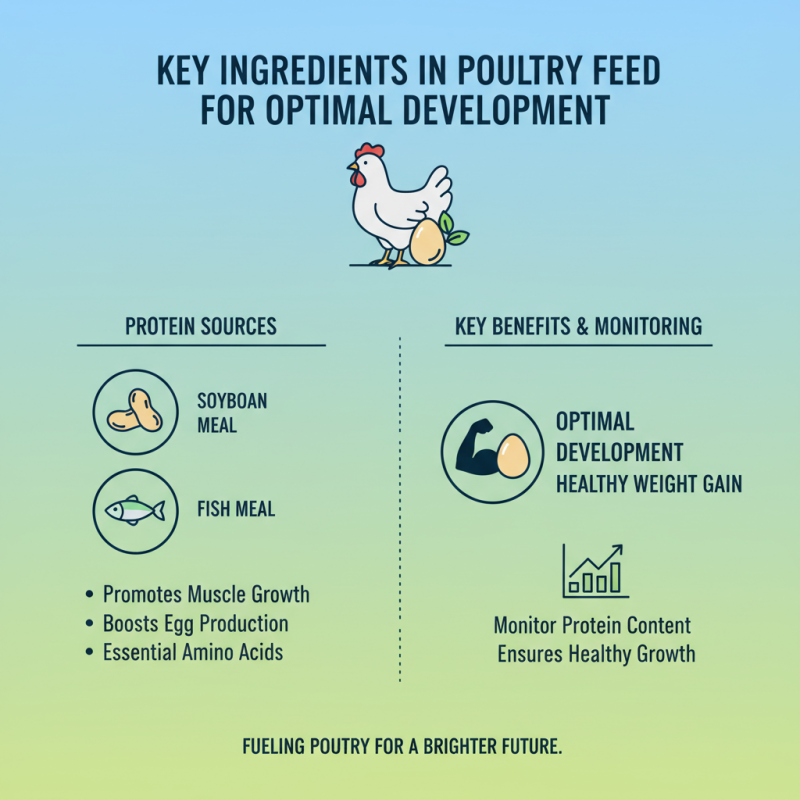
Similarly, proteins are vital for muscle growth and overall body maintenance.
However, it's important to reflect on how easily diets can be unbalanced.
Too much of one nutrient may hinder absorption of others.
Therefore, regular evaluations of feed composition are necessary to ensure optimal health outcomes.
Types of Poultry Feed: Commercial vs. Homemade Options
When it comes to poultry feed, the choice between commercial and homemade options is critical. Commercial feeds are designed to provide balanced nutrition. They often include vitamins and minerals essential for growth. These feeds are processed under strict guidelines, ensuring safety and quality. However, not all options are created equal. Some brands may rely on fillers, which can compromise nutritional value. It's essential to read labels carefully.
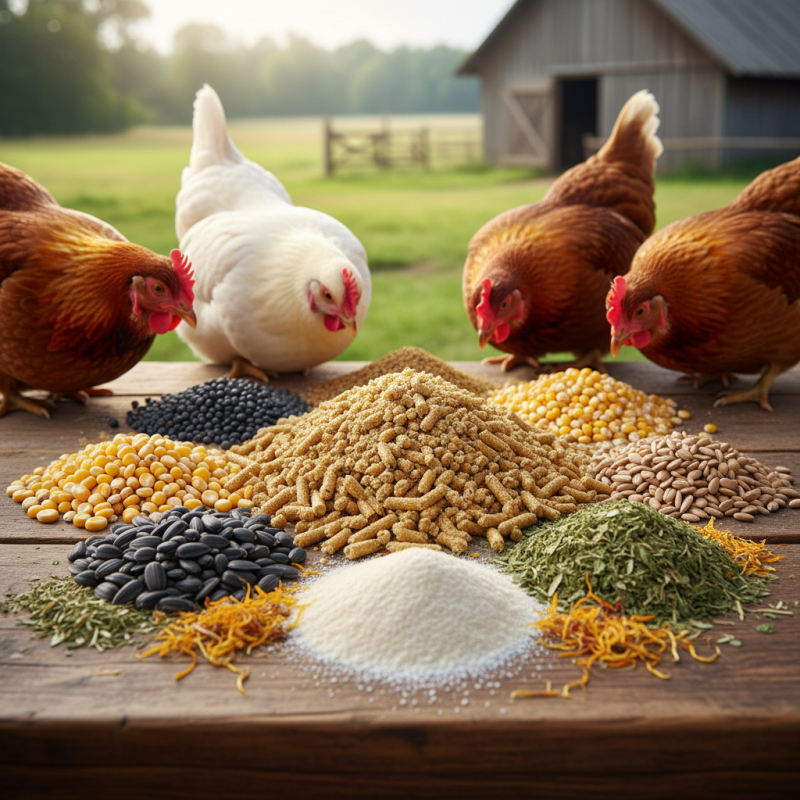
On the other hand, homemade feed allows for customization. Poultry owners can adjust ingredients based on specific needs. Common components include grains, seeds, and kitchen scraps. This DIY approach can be cost-effective and nutritious. Yet, it requires some expertise to ensure that the diet meets all nutritional requirements. Balancing protein, carbohydrates, and fats is vital to prevent deficiencies.
Choosing the right feed is a reflection of your commitment to poultry health. It’s a task that deserves careful consideration. Sometimes, what seems best on paper may not yield the desired outcomes. Observation is key. Regularly monitor growth, egg production, and overall behavior. Adapt your feeding strategy as needed. Every flock is unique, and their needs may change over time.
Supplementing Poultry Diet: Vitamins, Minerals, and Additives
When it comes to poultry nutrition, vitamins, minerals, and additives play a critical role. These elements support optimal growth and overall health. For instance, a balanced diet enriched with essential vitamins like A, D, and E can significantly enhance immune responses. Proper supplementation prevents deficiencies that could impact growth rates and egg production.
Minerals are equally important, providing benefits that may be overlooked. Calcium and phosphorus are vital for bone development and strength. Without adequate intake, young birds may experience growth stunts or deformities. Additives, such as probiotics, can improve gut health, aiding nutrient absorption. However, introducing new elements to a diet should be approached with caution. Mistakes can happen, leading to digestive issues or poor weight gain.
Observing your flock is essential. If birds are lethargic or show reduced growth, it might be time to reassess the diet. Keep records of feed changes and bird performance to identify effective strategies. Experimentation is necessary, but always aim to maintain a nutritious foundation. Consider consulting with a poultry nutrition expert for tailored advice.
Best Practices for Feeding Poultry to Maximize Health Outcomes
When feeding poultry, achieving optimal growth and health requires adhering to best practices. Scientific reports indicate that a balanced diet significantly influences poultry weight gain and overall health. A study from the American Poultry Association suggests that nutrient-rich feed leads to a 20% increase in growth rates. This highlights the importance of incorporating vitamins, minerals, and protein into poultry diets.
Feeding strategies should be adjusted based on the specific developmental stages of the birds. For instance, young chicks require higher protein levels, around 20-24%, for proper muscle development. In contrast, adult birds benefit from a more balanced diet, with protein levels dropping to 14-16%. Keeping track of these needs can be challenging but is crucial for better health outcomes. Monitoring feed quality is essential, as poor-quality feed can lead to health issues, such as stunted growth or weakened immune systems.
Furthermore, the timing and frequency of feeding matter greatly. Research shows that providing smaller, more frequent meals can improve digestion and nutrient absorption, enhancing growth rates. However, inconsistent feeding schedules can lead to stress and poor health. It’s important for poultry managers to adopt a disciplined feeding regimen, evaluating their methods regularly to reflect on their effectiveness.
Best Poultry Feed Options for Optimal Growth and Health
| Feed Type |
Main Ingredients |
Nutritional Value (per kg) |
Best For |
| Starter Feed |
Corn, Soybean meal, Fish meal |
24% Protein, 3% Fat |
Chicks (0-3 weeks) |
| Grower Feed |
Corn, Wheat, Barley |
18% Protein, 2.5% Fat |
Pullets (4-8 weeks) |
| Layer Feed |
Corn, Soybean meal, Calcium carbonate |
16% Protein, 4% Fat |
Laying hens (18 weeks and older) |
| Finisher Feed |
Corn, Sorghum, Fish meal |
20% Protein, 3% Fat |
Meat birds (up to slaughter) |