2026 Best Poultry Nutrition Tips for Healthier Chickens?
In recent years, the importance of poultry nutrition has become increasingly clear. Providing balanced diets for chickens affects their health, growth, and egg production. Many farmers overlook some key factors that can significantly enhance their flocks' well-being.
Proper poultry nutrition means more than just offering feed. It involves understanding the specific needs of different breeds and stages of life. For instance, young chicks require higher protein levels for growth. Additionally, minerals and vitamins are crucial for strong bones and immunity. Mixing in whole grains and greens can provide essential nutrients.
However, not all poultry keepers get it right. Some may focus only on commercial feeds, neglecting homemade options or fresh supplements. Others might not monitor water quality, which is vital for digestion. It's essential to reflect on these aspects to ensure healthier chickens. Making small adjustments can lead to significant improvements.
Understanding Poultry Nutrition Basics: Key Nutrients for Chickens
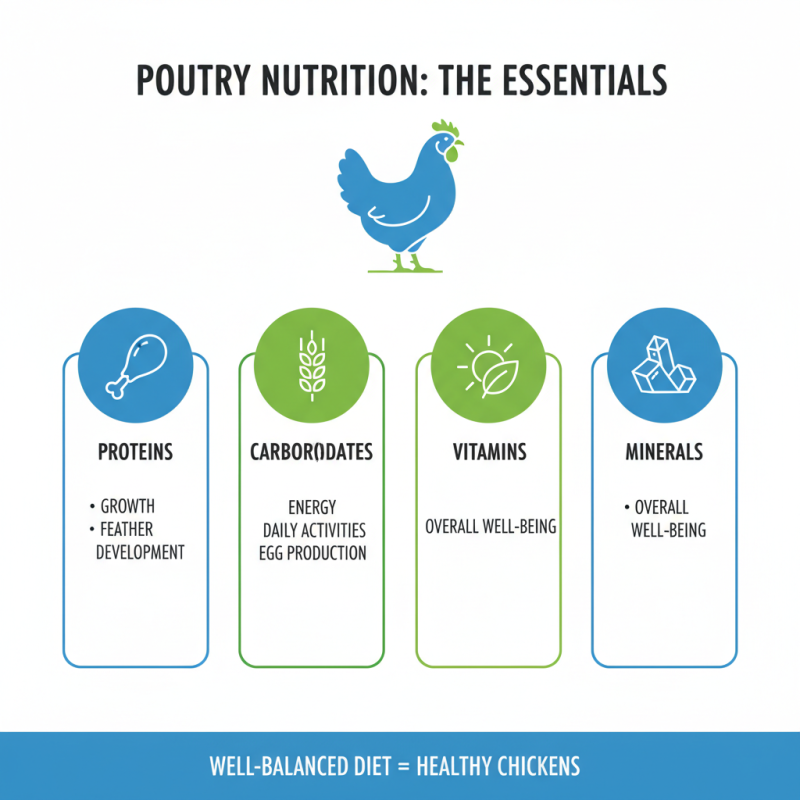
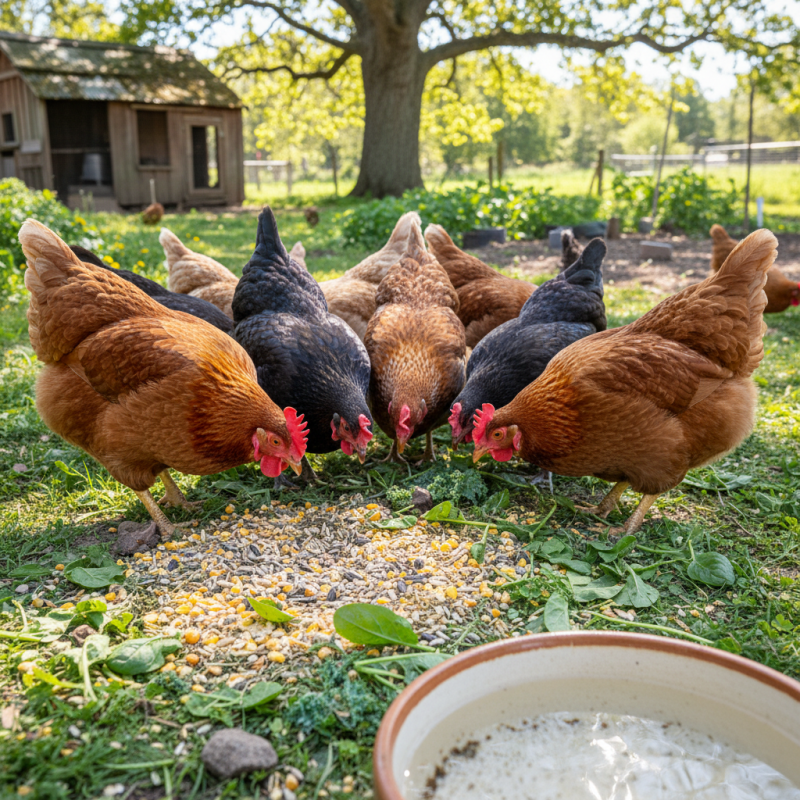
Understanding poultry nutrition is crucial for raising healthy chickens. Key nutrients like proteins, carbohydrates, vitamins, and minerals play a vital role in their overall well-being. Chickens require a well-balanced diet to thrive. Proteins help in growth and feather development. Carbohydrates provide energy for daily activities and egg production.
Here’s a tip: always include a variety of feed sources. Incorporate grains, seeds, and legumes. This ensures a diverse nutrient intake. Many chicken owners overlook this. They stick to a single feed type, leading to nutrient deficiencies. Chickens also need minerals, like calcium, for strong bones and eggshells. A lack of calcium can cause soft-shelled eggs.
Another tip is to monitor your chickens' behavior and health. Look for changes in their appetite or energy levels. These could indicate a nutritional imbalance. Remember, feeding poor quality food occasionally is fine, but it should not be a habit. Reflect on your feeding practices. Assess if you are meeting all their nutritional needs. A little adjustment can lead to healthier, happier chickens.
The Role of Protein in Chicken Diets: Optimal Levels and Sources
The role of protein in chicken diets is critical. Chickens require protein for growth, egg production, and overall health. Industry data reveals that protein should constitute about 18-20% of a chicken’s diet during the growing phase. Higher protein levels can benefit laying hens, particularly around 16-18% to ensure optimal egg yield.
Tips: Selecting good protein sources is essential. Ingredients like soybean meal, fish meal, and peas are excellent choices. These sources provide amino acids that support muscle development and egg formation. It's important to regularly assess the protein quality and digestibility in your feed.
Keep in mind that excessive protein can lead to health issues. It can strain the liver and kidneys, causing metabolic problems. It’s vital to monitor the protein intake daily. Adjustments based on chicken age, purpose, and health are necessary. Regular feed analysis can be key in identifying any imbalances. The quality of feed is as important as the quantity. Freshness affects protein levels, so always check expiry dates and storage conditions.
2026 Best Poultry Nutrition Tips for Healthier Chickens
| Nutrient Type |
Optimal Level (%) |
Sources |
Benefits |
| Protein |
16-20 |
Soybean Meal, Peas, Fish Meal |
Supports growth and egg production |
| Fat |
3-5 |
Vegetable Oils, Animal Fats |
Provides energy and improves feed palatability |
| Fiber |
4-8 |
Alfalfa Meal, Oat Hulls |
Supports digestion and gut health |
| Vitamins |
Varies |
Green Leafy Veggies, Supplements |
Boosts immunity and overall health |
| Minerals |
1-5 |
Calcium, Phosphorous, Salt |
Essential for bone health and egg production |
Balancing Energy and Carbohydrates: Fueling Healthy Chicken Growth
Balancing energy and carbohydrates in poultry nutrition is essential. Healthy growth relies on the right fuel. Studies show that chickens require a specific carbohydrate-to-energy ratio for optimal development. A balanced diet should contain 70% carbohydrates and 30% energy sources, yet many farms fail to achieve this balance.
Chickens thrive on complex carbohydrates like grains. These provide slow-releasing energy. However, an over-reliance on simple sugars can lead to health issues. The ideal mix includes corn, barley, and wheat. But, farmers often overlook nutrient diversity. This can stunt growth or cause metabolic disorders. A detailed analysis of feed composition can help identify deficiencies.
Monitoring body weight and growth rate is crucial. Research shows that a carbohydrate surplus can lead to obesity in chickens. On the other hand, insufficient energy can slow growth. Keeping records helps pinpoint nutritional gaps. Achieving the right balance is an ongoing challenge. Adjustments are necessary as flock age and health change. Regular assessments will enhance chicken vitality and productivity.
Essential Vitamins and Minerals: Their Impact on Chicken Immunity
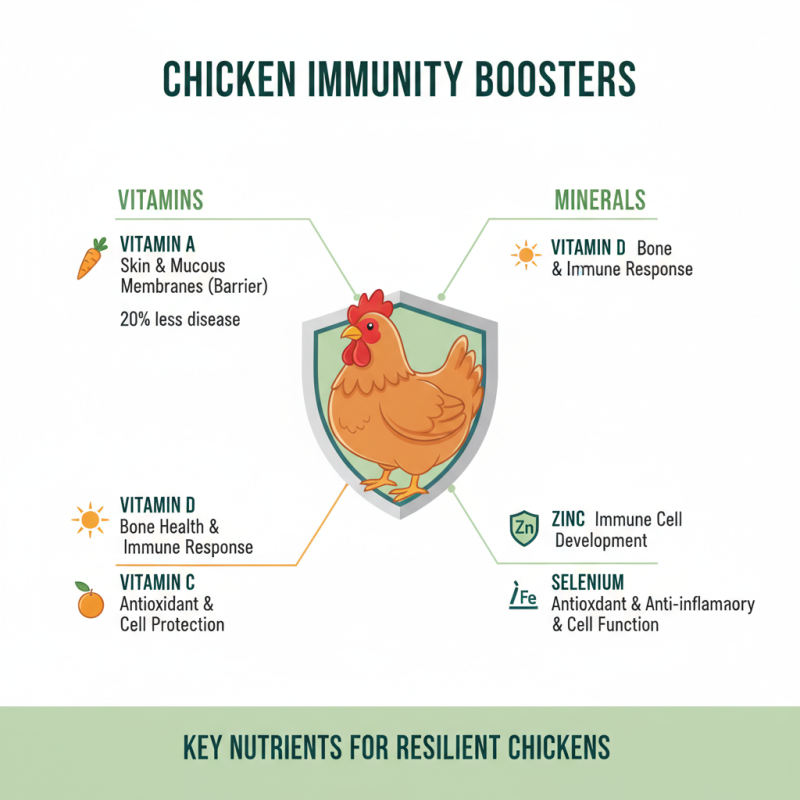
Vitamins and minerals play a crucial role in supporting chicken immunity. For example, Vitamin A is vital for maintaining healthy skin and mucous membranes, which act as barriers against pathogens. Research indicates that vitamin A deficiencies can lead to a 20% increase in disease susceptibility among chickens. This highlights the importance of ensuring adequate intake.
Zinc and selenium are another pair of essential nutrients. Zinc contributes to the immune response by aiding in the development of white blood cells. A study found that zinc supplementation can improve overall immunity, reducing disease rates by up to 30% in poultry. Selenium, on the other hand, is known for its antioxidant properties, helping to protect cells from damage.
Despite knowing these essential nutrients, many poultry farmers struggle to provide balanced diets. Failures often stem from a lack of awareness about nutrient sources or improper feed formulation. Monitoring specific nutrient levels in feed can be challenging. Most farmers might overlook this aspect, leaving their flock vulnerable to infections. It’s necessary to continually assess and adjust diets for optimal health.
Water Quality and Availability: Essential Factors for Poultry Health
Water quality is a crucial factor for poultry health. Chickens require clean water for hydration, digestion, and overall wellness. Contaminated water can lead to diseases, affecting their growth and egg production. Regularly check water sources for cleanliness.
Tips: Ensure that chickens have access to fresh water at all times. Change the water daily, especially in hot weather. Clean water containers often to avoid algae and bacteria buildup.
Availability is just as important as quality. Chickens should not run out of water, even for a short time. Monitor their consumption patterns. If they seem lethargic or are not drinking enough, there may be an issue.
Tips: Consider using automatic waterers to maintain constant availability. Observe your flock’s behavior regularly. Changes in drinking habits can indicate health problems. Always be ready to adjust their water supply.
2026 Best Poultry Nutrition Tips for Healthier Chickens: Water Quality and Availability