China Top 10 Poultry Feed Manufacturers for Global Buyers

China’s poultry feed industry has become a critical sourcing base for global buyers seeking scale, formulation expertise, and competitive logistics. According to Alltech’s 2024 Agri-Food Outlook, global animal feed production reached approximately 1.13 billion metric tons in 2023. Poultry remained one of the largest consuming sectors. The OECD-FAO Agricultural Outlook 2024–2033 also identifies poultry as a major driver of future meat demand, supported by relatively efficient feed conversion and shorter production cycles.

The manufacturers featured in this guide are evaluated through practical buying criteria, not factory size alone. These criteria include raw-material control, amino-acid balancing, pellet durability, mycotoxin testing, quality certifications, export experience, and technical support. A reliable poultry feed supplier should provide clear specifications, batch traceability, and laboratory documentation. Small details matter. A sealed sample bag, a readable nutrient sheet, and consistent pellet color can reveal operational discipline.

China offers broad manufacturing capacity, but supplier performance is not uniform. Public information can also be incomplete. That deserves caution. Buyers should verify current certifications, production sites, local registrations, and shipping records before signing contracts. FAOSTAT data, customs records, independent laboratory results, and third-party audits can support that review. This introduction presents ten leading Chinese companies for international consideration, while recognizing that “top” depends on farm scale, bird genetics, climate, feed format, and destination requirements. A promising quotation is only the beginning. Field trials and independent testing remain essential before commercial adoption.
China Top 10 Poultry Feed Manufacturers for Global Buyers

How China’s Top 10 Poultry Feed Manufacturers Are Selected

China Top 10 Poultry Feed Manufacturers for Global Buyers

The selection begins with measurable production evidence, not advertising claims. The 2024 Alltech Agri-Food Outlook reported 1.126 billion metric tons of global feed production in 2023. This scale makes capacity important, but capacity alone proves little. We examine poultry-feed output, factory coverage, delivery consistency, and documented export experience. Verified records matter more than impressive brochures.

Quality control carries greater weight. Each candidate should show batch traceability, laboratory testing, mycotoxin monitoring, and documented control of raw materials. We also review HACCP or ISO-based systems, where certificates remain valid and independently verifiable. The OECD-FAO Agricultural Outlook 2024-2033 expects poultry meat production to expand strongly during the next decade. Feed suppliers must therefore demonstrate stable nutrition, not only low prices. Protein levels, amino-acid balance, pellet durability, and conversion results deserve practical review.

No ranking is perfectly neutral. A factory with excellent domestic distribution may have limited overseas service experience. Another may publish fewer documents but maintain cleaner production records. This is where careful buyer interviews and sample testing become necessary. We compare complaint handling, technical support, packaging integrity, and port delivery performance. The FAO’s feed-safety guidance also reminds buyers that contamination risks can enter through ingredients, storage, or transport. A missing record can change the result. That is an inconvenient, but necessary, weakness in any “top ten” selection.
China Top 10 Poultry Feed Manufacturers for Global Buyers

The chart presents a 100-point editorial screening framework for selecting leading poultry feed manufacturers in China. The criteria reflect common requirements in international feed procurement, including product quality, export compliance, formulation capability, traceability, production reliability, and logistics support. The scores are selection weights rather than company-specific performance data.

Profiles of the Top 10 Chinese Poultry Feed Manufacturers

China Top 10 Poultry Feed Manufacturers for Global Buyers

Profiles of the Top 10 Chinese Poultry Feed Manufacturers

China’s poultry feed sector operates at industrial scale. The China Feed Industry Association reported 321.63 million tonnes of industrial feed output in 2023. Alltech’s 2024 Agri-Food Outlook placed global feed production at 1.126 billion tonnes. These figures explain why Chinese suppliers attract international buyers, but volume alone is not enough.

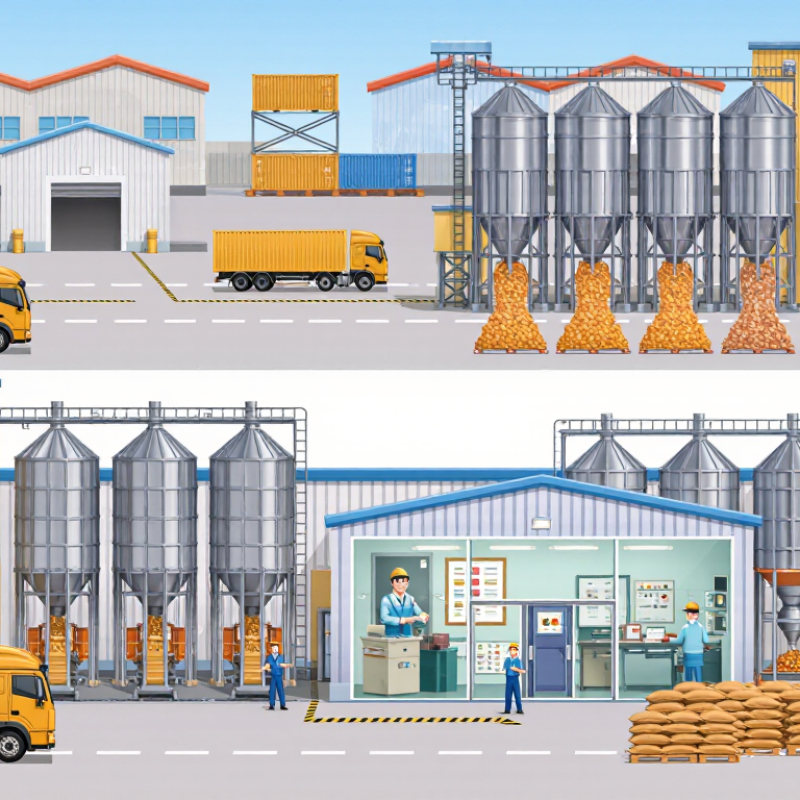
The ten manufacturers profiled here represent different strengths. Several focus on broiler and layer formulas, using corn, soybean meal, amino acids, enzymes, and mineral premixes. Others emphasize breeder nutrition, young-bird diets, or integrated farm support. Their facilities commonly include automated batching, pellet inspection, laboratory testing, and batch-level traceability. Some producers also maintain export teams and documentation systems for overseas shipments.

Practical evaluation still matters. Buyers should compare nutrient guarantees with laboratory results, not brochures. A factory may show modern silos, yet provide limited evidence on contamination control. This is where the profiles differ. Some companies demonstrate stronger formulation research, while others compete through regional logistics and flexible minimum orders. Visit records, feed mill audits, certificate verification, and trial data can reveal the gap. Product performance may also change with local grain quality, climate, and farm management. No ranking should be treated as permanent.

Poultry Feed Products and Production Capabilities

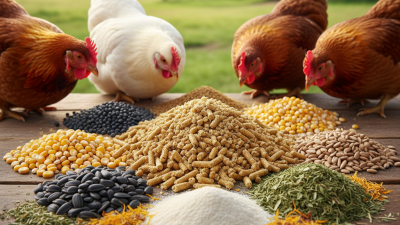
China’s leading poultry feed manufacturers serve broilers, layers, breeders, and young chicks. Their product ranges usually include starter, grower, finisher, layer, and breeder formulas. Each formula balances energy, protein, amino acids, minerals, and vitamins for a specific growth stage. Crumbled feed suits chicks, while pellets reduce sorting and dust in older birds. Mash remains useful where producers need flexible mixing or lower processing costs. The right form depends on flock age, housing, climate, and feeding equipment.

Large plants often use automated dosing, hammer mills, mixers, pellet mills, coolers, and bagging lines. Some operate separate lines for specialty premixes or high-fiber formulas, depending on local requirements. Modern laboratories test moisture, protein, fat, fiber, calcium, phosphorus, and mycotoxin risks. Traceable batch numbers help buyers connect shipments with raw material records and production dates. Ask for recent test reports, shelf-life data, packaging options, and loading photographs. Small details matter.

Export-ready suppliers can adjust formulas to corn, wheat, soybean meal, or regional alternatives. They may offer 25-kilogram bags, bulk delivery, private labels, and container loading plans. Yet production capacity alone proves little. A factory may produce thousands of tons monthly but struggle with a small customized order. Buyers should compare trial batches, pellet durability, odor, fines, and flock response before scaling. No plant is perfect. I would question sudden claims of zero variation, because raw materials change with seasons and markets. Clear communication often reveals more than polished brochures.

Export Standards, Certifications, and Global Market Coverage

China’s leading poultry feed manufacturers serve buyers across Asia, Africa, the Middle East, Europe, and Latin America. Export readiness depends on more than production capacity. A reliable supplier should provide traceable ingredient records, batch codes, laboratory results, and stable loading procedures. Buyers should examine ISO-based quality systems, HACCP controls, feed safety registrations, and certificates required by the destination country. Documents must match the actual shipment.

Experienced exporters normally prepare commercial invoices, packing lists, certificates of origin, sanitary documents, and product specifications. Some markets require additional approvals for additives, labeling, maximum residue limits, or genetically modified ingredients. Requirements change. Verify them with customs authorities before signing a contract. Containers should remain dry, sealed, and protected from heat during transit. Labels should show species, dosage, storage conditions, production dates, and shelf life. Small details matter.

Global coverage is not proven by a sales map alone. Ask for references from comparable climates, port routes, and poultry systems. A technical team should explain formulation changes for broilers, layers, or local raw materials. Sampling, independent testing, and a written complaint process add practical confidence. No supplier is flawless; delayed documents or inconsistent batches can still occur. I would treat unusually low prices carefully and keep verification independent. Reliable cooperation is measured through repeatable quality, responsive communication, and customs clearance without surprises.

How Global Buyers Can Compare and Choose a Supplier

China Top 10 Poultry Feed Manufacturers for Global Buyers

Global buyers should compare poultry feed manufacturers beyond online rankings. A strong supplier can explain nutrient targets, ingredient sources, and production controls clearly. Ask for recent certificates, batch records, and a complete product specification. Check whether the factory has suitable quality systems and export experience. Do not rely on impressive photographs. A clean facility matters, but documented testing matters more. Request laboratory results for protein, moisture, calcium, and safety indicators. Confirm that testing covers every shipment, not only promotional samples.

Compare feed formulas against your birds, climate, and farm equipment. Broilers, layers, and breeders require different nutrient profiles. Ask about pellet durability, particle size, packaging strength, and storage life. A supplier may offer a low price, yet higher dust can increase waste. Freight terms also deserve careful attention. Compare minimum order quantities, production lead times, loading capacity, and communication speed. A responsive sales team is useful, but technical support should come from qualified staff. I have found that small trial orders reveal problems that documents hide.

Tips: Request samples from several suppliers. Test them on a limited flock with professional guidance. Record feed intake, weight gain, egg output, mortality, and litter condition. Keep the same farm conditions during comparison. Check packaging after a humid journey. One overlooked detail is often storage humidity. Do not change formulas too quickly. Results may vary because of water quality, genetics, or local grain differences. If a supplier avoids clear answers, pause the purchase. Reliability is shown through repeated evidence, not confident promises.

China Top 10 Poultry Feed Manufacturers for Global Buyers - How Global Buyers Can Compare and Choose a Supplier

No. Comparison Dimension Buyer-Ready Benchmark Evidence to Request Why It Matters
1 Legal Manufacturing Qualification The facility should hold valid Chinese feed-production approval and manufacture products within the approved category and scope. Current production license, registered address, product category, and license validity date. Confirms that the supplier is legally permitted to produce and sell feed products.
2 Feed Safety Compliance Products should comply with applicable Chinese feed-safety requirements, including the limits and controls specified in GB 13078 where applicable. Recent laboratory reports covering contaminants, heavy metals, mycotoxins, pathogens, and prohibited substances. Reduces regulatory, animal-health, and shipment-rejection risks.
3 Quality Management System A documented quality system with batch traceability, corrective-action procedures, calibration control, and retained samples. Quality manual, internal-audit records, sample-retention policy, and traceability test results. Shows whether quality can be controlled consistently rather than checked only at shipment.
4 Third-Party Certifications Certifications such as ISO 9001, HACCP, GMP, GMP+, or FAMI-QS should be evaluated according to the product type and destination-market requirements. Unexpired certificates, certification scope, issuing body, audit date, and nonconformity status. Provides independent evidence of process control and food-chain risk management.
5 Nutritional Specification The quotation should clearly state guaranteed analysis, including crude protein, crude fat, crude fiber, moisture, ash, calcium, phosphorus, salt, amino acids, and energy when relevant. Product specification sheet, formulation version, laboratory method, and tolerance limits. Allows buyers to compare nutritional value rather than comparing price per metric ton alone.
6 Raw-Material Control Critical ingredients should be approved, tested, traceable by lot, and controlled for freshness, adulteration, and contamination. Approved-supplier list, incoming inspection records, origin information, and raw-material testing plan. Raw-material consistency directly affects feed performance and safety.
7 Production and Batch Consistency The supplier should control mixing uniformity, pellet durability, particle size, temperature, moisture, and cross-contamination between batches. Process-control records, batch COAs, pellet-quality data, and equipment-maintenance records. Consistent physical quality supports predictable feed intake, storage, and flock performance.
8 Export Documentation Capability The supplier should be able to provide commercial invoices, packing lists, certificates of analysis, certificates of origin, shipping documents, and destination-specific documents when required. Redacted export document set from a recent shipment and a document-responsibility checklist. Complete documentation helps prevent customs delays and clearance problems.
9 Packaging, Shelf Life, and Storage Packaging should protect against moisture, pests, contamination, and handling damage; shelf-life and storage conditions must be stated on the specification or label. Packaging specification, label artwork, shelf-life statement, storage instructions, and loading photographs. Good packaging protects product value throughout ocean transport and warehouse storage.
10 Commercial and After-Sales Support Compare total landed cost, minimum order quantity, production lead time, payment terms, claim procedures, technical support, and response time. Formal quotation, Incoterms, lead-time commitment, warranty or claim policy, and technical-service contact details. The lowest unit price may not deliver the lowest total cost or operational risk.
Recommended evaluation method: Request the same documents, samples, specifications, and quotation format from each shortlisted supplier. Score compliance, product performance, documentation quality, delivery reliability, and total landed cost separately before making a final purchasing decision.