How to Choose the Best Feed Store for Your Agricultural Needs?
Choosing the right feed store is crucial for any agricultural operation. A reliable feed store can directly impact the health of your livestock and the efficiency of your farming practices. With so many options available, it can feel overwhelming. Many may focus solely on price, but other factors are equally important.
Consider the quality of the products offered. Quality feed can make a difference in growth rates and overall animal health. Additionally, knowledgeable staff can guide you in selecting the right feed for your specific needs. This guidance is vital, especially if you are new to farming.
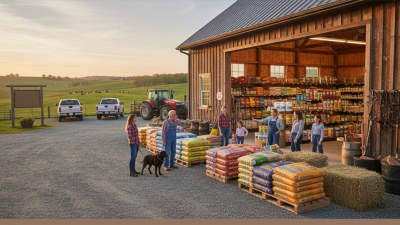
Don't overlook the importance of location and convenience. A feed store nearby can save you time and transportation costs. However, a distant store with superior products may be worth the extra effort. Reflect on what matters most for your agricultural needs. Ultimately, the best feed store aligns with your farming goals and values.
Assessing Your Agricultural Needs and Goals
Assessing your agricultural needs and goals is a vital step in choosing the best feed store. Understanding what you require can make a significant difference in your farming success. According to the USDA, over 90% of farms rely on specialized feed stores for quality supplies. Knowing whether you need feed for livestock, crop fertilizers, or pest control products will streamline your search.
Start by evaluating your current production methods. For example, if you manage a dairy farm, you'll need specific nutritional blends tailored for dairy cattle. Studies indicate that balanced nutrition can improve milk production by up to 25%. Conversely, if crop yields are your focus, look for stores that offer high-quality soil amendments and seeds. Many farmers overlook the importance of soil health, which is critical for sustainable farming.
Consider your long-term goals as well. If you're aiming for organic certification, your feed store must provide organic options. Reflect on your local climate and soil conditions, too. Regional growing requirements can impact the kind of feed and supplies you need. A report from the National Agricultural Statistics Service shows that misalignment between crop types and local conditions can reduce yields by 30% or more. This insight urges a thoughtful assessment of your agricultural landscape before making decisions.
Identifying Local Feed Store Options and Their Offerings
When selecting a local feed store, understanding your agricultural needs is crucial. Start by researching the options available in your area. Look for stores that specialize in livestock feed, organic options, or specific crops. This will help narrow down your choices. A store’s reputation speaks volumes. Check online reviews and talk to local farmers about their experiences.
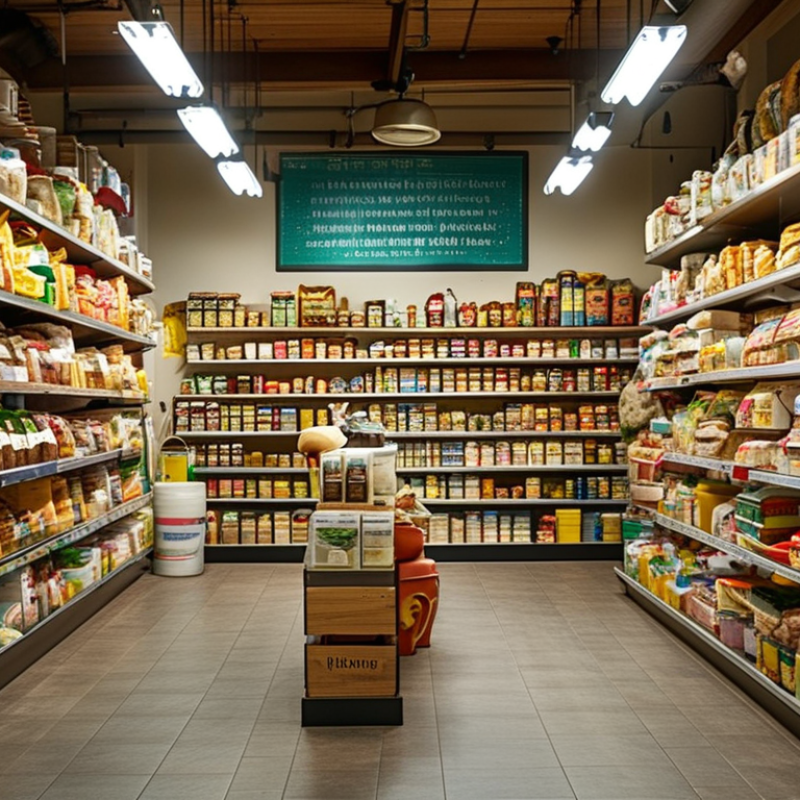
Pay attention to the variety of products offered. A good feed store should provide diverse feed types, supplements, and health products. Look for places that keep up with industry trends. A knowledgeable staff can guide you on the best options for your farm's specific needs. Don’t hesitate to ask questions about their offerings.
Consider the store's location and accessibility. A nearby store can save time and reduce transportation costs. Evaluate their customer service as well. A friendly, helpful attitude can make your visits more enjoyable. While evaluating your options, reflect on whether the store meets all your criteria or if some areas can improve.
Evaluating Quality and Variety of Feed Products Available
When selecting a feed store, evaluating the quality and variety of feed products is crucial. A study by the
American Society of Animal Science states that livestock nutrition directly impacts productivity. Hence, access to high-quality feed is essential for optimal growth and yield.
Consider the types of feed available. Some stores may offer basic options, while others provide specialized products tailored for different species or growth stages. Look for stores that feature a diverse range of feeds, such as
organic,
non-GMO, and
customized blends. This variety ensures you can meet the specific nutritional needs of your animals.
Tip: Always check for product certifications and labels. A reliable feed store should display certifications for quality and safety.
Reflect on your requirements often. Needs can change based on seasonality and animal growth phases. A good feed store staff should be knowledgeable enough to help you navigate these changes.
Tip: Seek feedback from other farmers or agricultural experts about their experiences with local feed stores. It can provide valuable insights into product quality and customer service.
Comparing Prices and Services Among Different Feed Stores
When comparing prices and services among feed stores, start by doing your research. Visit multiple stores to gather information. Check for the quality of products offered. A lower price may seem appealing, but cheap feed could compromise your livestock’s health. It’s crucial to assess the nutritional value and ingredients in the feed.
Inspect the variety of products available. Some stores might offer specialty feeds that cater to specific animals or growth stages. It’s beneficial to ask questions about sourcing and formulations. Engaging with store staff can provide insights and expertise. Their experience in the field is often invaluable.
Look for loyalty programs or bulk purchasing discounts that may lower costs over time. Don’t hesitate to compare customer reviews online. However, remember that opinions can vary widely. A store with one negative review may still meet your needs effectively. Balancing price with quality and service is essential for making a well-informed decision.
Checking Customer Reviews and Store Reputation in the Community
When selecting a feed store, community reputation is essential. Customer reviews can reveal much about a store’s quality. Many people share their experiences online. Some feedback may be glowing, while others might be critical. Pay close attention to recurring themes. If multiple reviews mention poor customer service, consider that a red flag.
A store might have a strong presence in the community, but that doesn’t guarantee satisfaction. Visit local forums or social media groups. These platforms often hold honest discussions about agriculture suppliers. Engage with farmers and ask about their experiences. This could lead to valuable insights into a store’s reliability.
Sometimes, a store’s reputation can be misleading. Just because a place has positive reviews doesn’t mean it’s perfect. Look for details like product freshness and pricing. Is the store responsive to customer concerns? This can impact your business. An informed choice combines community feedback with firsthand observations.
Customer Reviews and Store Reputation Comparison