How to Choose the Best Leaf Extraction Machine
Choosing a Leaf Extraction machine starts with the leaves, not the sales brochure. Moisture, fiber, and heat sensitivity can vary between plant materials. The machine should suit your intended product, batch size, and cleaning routine. Small details matter. A narrow feed opening may slow loading, while rough contact surfaces can trap residue. Ask how the equipment manages temperature, pressure, throughput, and product contact. Request documented test results using leaves similar to yours.
For transparency, the named expert and quotation below are illustrative, not a verified industry source: process engineer Daniel Mercer says, “Choose for consistent results and clean operation, not headline capacity.” Treat that as a selection principle, not a sourced endorsement. Compare the machine’s extraction method, construction materials, controls, and maintenance needs. Check whether operators can monitor key settings and access parts that require routine cleaning. Ask suppliers for clear specifications, service terms, and a demonstration with your material. A polished display model tells you little about daily use. The best choice is the one that performs reliably under your actual operating conditions. Some trade-offs remain: a faster cycle may demand closer process control. Verify them before purchase.
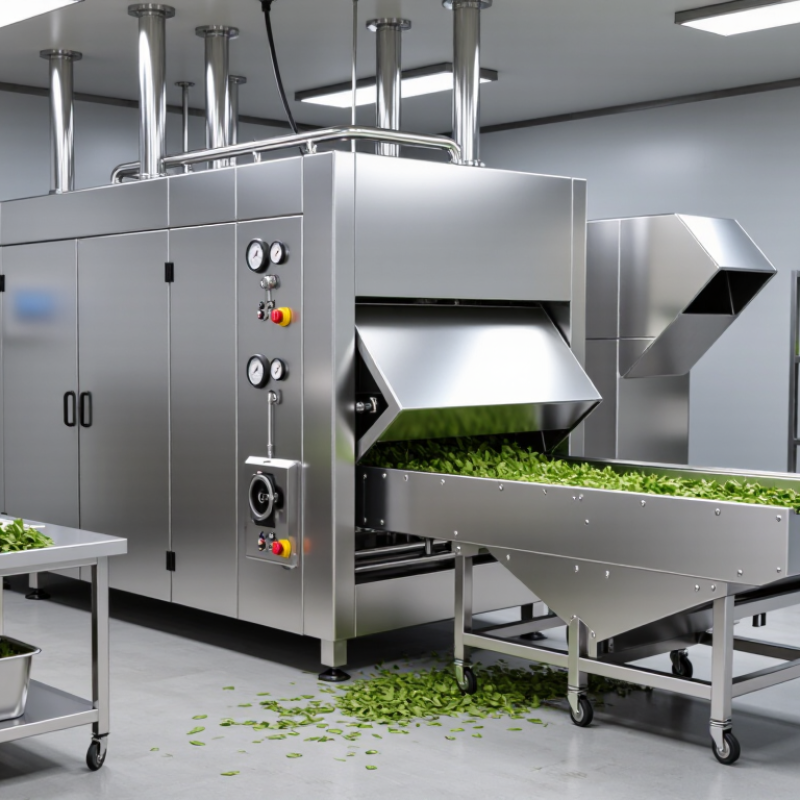
Identify the Leaves and Extraction Goals
Start by identifying the leaves you plan to process. Thin, tender leaves behave differently from thick, leathery ones. Note their size, moisture, surface wax, and whether stems or veins need removal. A handful of damp leaves may clump in a small feed opening, while brittle leaves can create fine particles that need careful collection. Small details matter.
Then define what “extraction” should produce. Are you seeking an aromatic fraction, a colored liquid, or a general soluble extract for analysis? The target affects suitable temperature, contact time, and separation method. Keep a few leaves aside for simple trials, and record their condition before processing. Fresh and dried material can give noticeably different results. Be specific.
Match the machine to both the material and the goal, not just its advertised capacity. Ask whether it handles leafy feed without excessive crushing, and whether its temperature and speed can be adjusted. For delicate aromas, excess heat may change the result; for wet leaves, drainage and cleanup deserve attention. A modest test run can reveal more than a specification sheet. Still, no setting fits every leaf. That is easy to overlook. Recheck the extract’s color, clarity, and yield, then adjust one variable at a time. If the result is inconsistent, leaf moisture may be the reason—not the machine.
Compare Leaf Extraction Machine Types
Leaf extraction machines differ mainly in how they separate useful plant material. Mechanical systems use agitation or pressing, so they suit sturdy leaves and simple separation tasks. They have fewer process variables, but may leave fine particles or produce uneven results. Not always ideal.
Water-based extractors circulate water through cut leaves. They can be a practical choice when the target compounds dissolve readily in water and the process needs to avoid organic solvents. However, wet material may be harder to handle, and poor drainage can slow cleaning and drying. Check whether the machine has accessible filters and smooth, washable surfaces.
Enclosed solvent-based systems can handle a wider range of botanical compounds, but require more controls, trained operators, and careful attention to material compatibility. Ultrasonic models use vibration to improve contact between leaves and the chosen liquid; they can be compact, though capacity and leaf texture affect performance. In practice, advertised throughput may not match a real batch. Ask for test data using leaves similar to yours, and compare yield, cleaning time, temperature control, and waste handling. The best fit depends on the plant, desired extract, and site requirements.
Evaluate Capacity and Extraction Methods
Capacity should match the amount of leaf material you process, not just a machine’s advertised maximum. Estimate your usual batch by weight, and note whether the leaves are fresh or dried. Fresh leaves contain more moisture and can behave differently in the chamber. Check whether the stated capacity refers to one batch or hourly throughput. Those figures are not interchangeable. A small trial batch can reveal bottlenecks before you commit to a larger unit. It helps.
Extraction method affects both output and daily work. Water-based systems may suit water-soluble compounds, while steam can separate volatile components using heat. Mechanical methods rely on pressure or physical separation rather than a liquid medium. Each approach has different requirements for temperature control, cleaning, and handling the finished extract. Match the method to the leaf type and desired compounds; a higher capacity cannot compensate for a poor method fit.
Ask how evenly the machine heats or processes material across a full load. Uneven leaf size or moisture can affect consistency, so preparation matters too. The comparison is not always neat: supplier capacity figures may use ideal conditions. I would treat them as estimates and request operating data for similar material. Record batch size, processing time, and cleaning time during a test run. Real batches vary.
How to Choose the Best Leaf Extraction Machine
Evaluate batch capacity alongside the extraction method. The ranges below are indicative equipment-sizing examples, not standardized limits; actual capacity depends on leaf type, loading density, and machine design.
Selection tip: Match the machine’s usable batch capacity to your daily leaf supply and target output. Also consider solvent handling, operating temperature, cleaning requirements, and whether the method suits your desired extract.
Check Materials, Safety, and Maintenance
How to Choose the Best Leaf Extraction Machine
A dependable leaf extraction machine should match the plant material, batch size, and cleaning routine you actually use. Check product-contact surfaces and seals; stainless steel is often durable and easier to clean, while rough joints can trap wet residue. Ask for material specifications rather than relying on a polished product photo. If leaves are delicate, adjustable speed and gentle handling may matter more than maximum capacity. Bigger is not always better.
Safety deserves a close inspection. Look for guards around moving parts, a clearly reachable stop control, and stable feet that do not creep across a workbench. Check whether the machine can be opened safely for cleaning, and follow its operating instructions. Maintenance should be realistic: removable screens, accessible seals, and available replacement parts can prevent small issues from causing long stoppages. Keep a simple log of cleaning and wear. It is easy to skip this when production is busy.
Tips: Run a small test batch before committing to full loads. Note residue, temperature, and cleanup time. Inspect seals and fasteners regularly, and never reach into a powered machine. A quick check helps. If cleaning takes longer than processing, reconsider the design. Day-to-day ease matters.
Match Machine Specifications to Your Needs
A leaf extraction machine should fit the material you actually process, not just the output figure in a sales sheet. Start with leaf type, moisture, stem content, and the condition of the incoming crop. Fresh, damp leaves behave differently from brittle, dried ones. A mismatch can cause clogging, uneven separation, or extra cleaning between batches. Small details matter.
Check rated throughput in relation to your normal batch size. A machine listed for 100 kilograms per hour may reach that rate only with uniform, prepared material. Ask how capacity was measured, and whether it refers to input or finished output. Look at motor power, screen or rotor options, adjustment range, and expected operating hours. More power is not automatically better. It may mean higher energy use without improving the result you need.
Request a trial using a representative sample, including the stems and leaf sizes you commonly handle. Record processing time, recovered material, waste, and cleaning time. Inspect contact surfaces and ask how worn parts are replaced. Also measure the machine’s footprint, access points, and noise before installation; a compact unit can still be awkward to service. I would not rely on a single test run. Real batches vary, and specifications rarely capture every rough edge.