How to Choose the Best Livestock Feed for Healthy Animals?
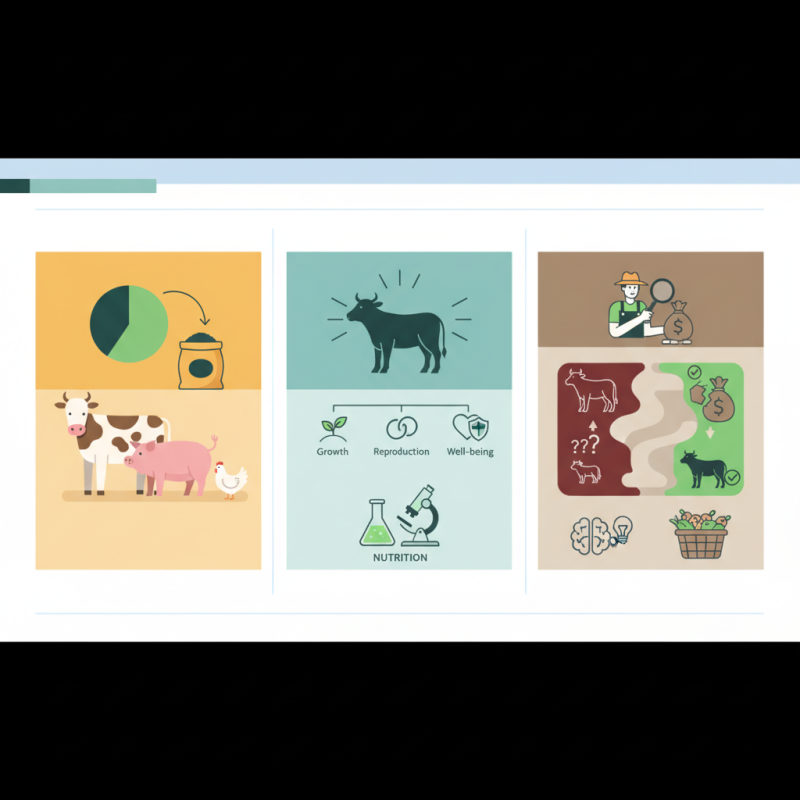
Choosing the right livestock feed is crucial for animal health and productivity. According to the American Feed Industry Association, livestock feed constitutes approximately 70% of total livestock production costs. This figure highlights the significance of making informed choices about feed types. Nutrition plays a vital role in growth, reproduction, and overall well-being in livestock.
Dr. James Fluharty, a prominent animal nutritionist, states, "Quality livestock feed is a foundation for a thriving farm." When selecting livestock feed, producers must consider ingredient quality and nutritional content. The wrong choices can lead to numerous health issues, reduced growth rates, and, ultimately, financial losses.
Many farmers may overlook the specific dietary needs of their animals. As a result, they can face challenges such as poor feed digestion and nutrient deficiencies. It's essential to remain attentive to the evolving research and best practices in the livestock feed industry. This approach ensures that animals receive the best care possible. By focusing on these elements, farmers can promote healthier livestock and optimize their production outcomes.
Understanding the Nutritional Needs of Different Livestock Species
When selecting the best livestock feed, understanding the nutritional needs of each species is crucial. Different animals have distinct requirements. Cows need high-fiber diets, while pigs thrive on high-energy feeds. Chickens, on the other hand, require a balanced mix of protein and carbohydrates. Not recognizing these differences can lead to health issues.
It's important to note that not all feeds are created equal. Nutritional value varies based on ingredients and processing methods. Some farmers may overlook quality in favor of lower costs. This could result in poor growth or even illness in animals. Keep in mind that feed quality impacts overall productivity.
Regularly assessing your livestock's condition helps in adjusting their diets. Observing their behavior can offer insights into their nutritional status. Are they eating well? Are they gaining weight appropriately? These questions matter. A tailored diet promotes better health, but it requires ongoing evaluation and sometimes, reevaluation of previous choices.
How to Choose the Best Livestock Feed for Healthy Animals?
| Livestock Species |
Main Nutritional Needs |
Recommended Protein Source |
Key Vitamins |
Minerals Required |
| Cattle |
High energy and protein for milk and weight gain |
Soybean meal, alfalfa |
A, D, E |
Calcium, Phosphorus, Magnesium |
| Pigs |
Balanced diet for growth and reproduction |
Corn gluten meal, whey protein |
B vitamins |
Sodium, Chloride, Potassium |
| Sheep |
Fiber for digestion and protein for growth |
Lupins, cottonseed meal |
B12, E |
Copper, Zinc, Selenium |
| Chickens |
Protein and carbohydrates for egg production |
Fish meal, soybean meal |
A, D3 |
Calcium, Phosphorus |
| Goats |
Forage for fiber and protein for maintenance |
Chickpea meal, alfalfa |
A, B vitamins |
Calcium, Magnesium |
Evaluating Feed Types: Grains, Forages, and Supplements
When selecting livestock feed, it’s essential to evaluate different types: grains, forages, and supplements. Grains are energy-rich and help animals gain weight. Corn and barley are popular choices. However, they can be too high in carbohydrates. Balancing grain intake with other feed types is crucial. Over-reliance on grains can lead to health issues.
Forages are also vital. They provide fiber, aiding digestion. Grass, hay, and silage are common options. Each forage type has distinct nutritional profiles. Some may lack specific vitamins or minerals. Regularly testing forage quality can identify deficiencies. This is an area where producers often overlook.
Supplements bridge nutritional gaps. These can include vitamins, minerals, or protein sources. However, they should not replace good base diets. Relying solely on supplements may mask poor feeding practices. It can lead to poor animal performance in the long run. Careful consideration of each feed type is necessary for healthy livestock. Balancing these elements may take time and adjustment. Establishing a comprehensive feeding strategy will result in better health outcomes.
Choosing Quality Ingredients for Balanced Animal Nutrition
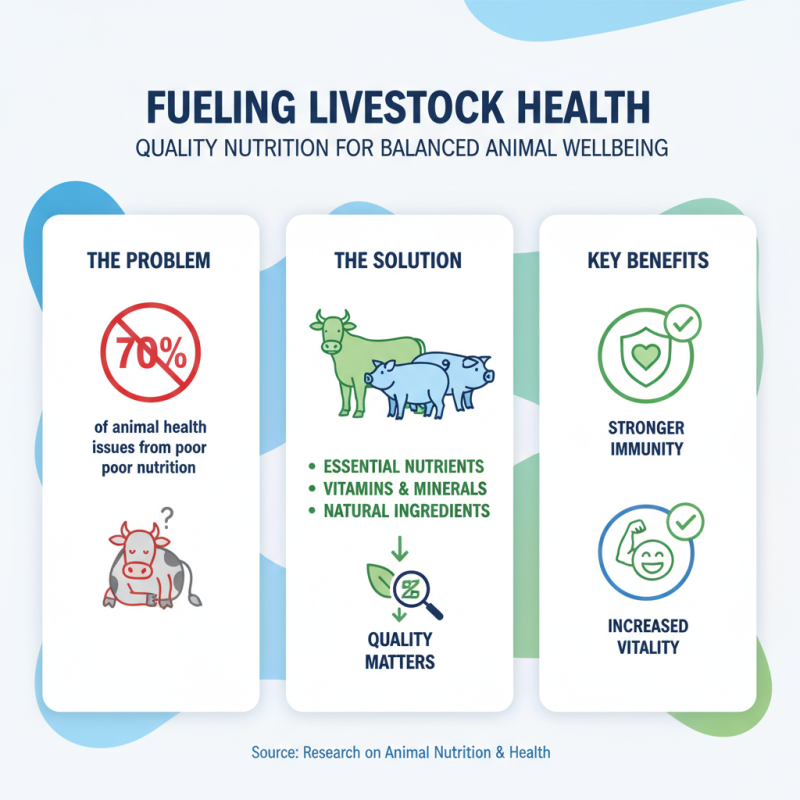
Choosing quality ingredients for balanced animal nutrition is crucial for livestock health. Research shows that approximately 70% of animal health issues stem from poor nutrition. Livestock needs essential nutrients, vitamins, and minerals to thrive. Focusing on natural ingredients can make a difference. However, not all natural ingredients are created equal.
Tips: Always check the source of your feed ingredients. Local suppliers may offer fresher options. It is best to avoid mystery meat byproducts. Look for feed with clear labels that specify protein sources.
Carbohydrates, proteins, and fats should be in the correct balance. An imbalance can lead to issues like obesity or deficiencies. Some farmers overlook the importance of fiber for digestion. Studies indicate that a high-fiber diet may reduce digestive disorders. Pay attention to the specific needs of your animals based on their age and production stage.
Tips: Monitor your animals closely for any signs of discomfort. Adjust their feed gradually to prevent digestive shock. Regularly evaluating your feed quality can help maintain overall health. Remember, what works for one farm might not work for another. It requires ongoing assessment and adjustment.
Assessing Feed Additives for Enhanced Animal Health and Performance
Choosing the right feed additives is crucial for enhancing animal health and performance. Vital additives can include vitamins, minerals, and probiotics. Each of these can play a significant role in improving digestion and boosting immunity. For instance, probiotics help maintain gut health, which can lead to better nutrient absorption.
Tips: Look for feed additives that have passed rigorous testing. Check for research backing their efficacy. It's equally important to assess the specific needs of your livestock. Some animals might require different additives based on their age and production stage.
Remember, not every additive works for every animal. Some might interact negatively with certain feeds. Observing your animals' responses is vital. If you notice symptoms like poor coat condition or low energy, it might be time to reconsider your choices.
Tips: Keep a detailed record of animal health and performance. Evaluate how different feed additives impact their growth. Regularly adjust your feed strategy based on these observations. A tailored approach can significantly improve your livestock's overall health.
Comparison of Feed Additives on Animal Growth Performance
Consulting with Veterinarians and Nutritionists for Optimal Choices
When selecting the best livestock feed, the guidance of professionals is invaluable. Veterinarians understand animal health and nutritional needs. Their expertise helps identify deficiencies in feed formulations. Nutritionists analyze the components of feed carefully. They ensure that all necessary nutrients are included for optimal growth.
Consulting with these experts can prevent costly mistakes. Sometimes, livestock owners overlook critical vitamins or minerals. A balanced diet can enhance an animal's health and productivity. Yet, individual animals have unique needs based on their age, weight, and breed. Tailoring feed choices to these specific requirements is vital for success.
Remember, not all feed is advantageous for every animal. Some might need more protein, while others may require fiber. Regular discussions with veterinarians can provide insights into these needs. However, this process can be time-consuming and challenging. Setting aside time for consultations is essential. The more you collaborate with these professionals, the healthier your livestock will be.