How to Choose the Best Livestock Feed for Your Farm?
Choosing the right livestock feed is crucial for any farmer. Dr. Sarah Anderson, a renowned animal nutritionist, emphasizes, “Quality feed directly influences the health and productivity of livestock.” Understanding the needs of your animals and selecting appropriate feed can elevate your farm's performance.
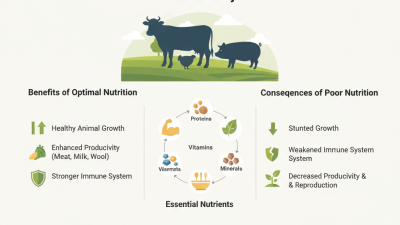
Livestock feed comes in various forms, and each type serves a unique purpose. Some feeds offer high protein while others are rich in fiber. Farmers face the challenge of balancing nutrition and cost. The right feed enhances growth, milk production, and overall animal well-being. However, many farmers are often overwhelmed by the choices available.
It's important to reflect on past feed choices. Did they meet your livestock's nutritional needs? Was there a noticeable impact on your animals’ performance? By evaluating these factors, farmers can make better-informed decisions. Quality livestock feed is a significant investment that should pay off through enhanced productivity and animal health.
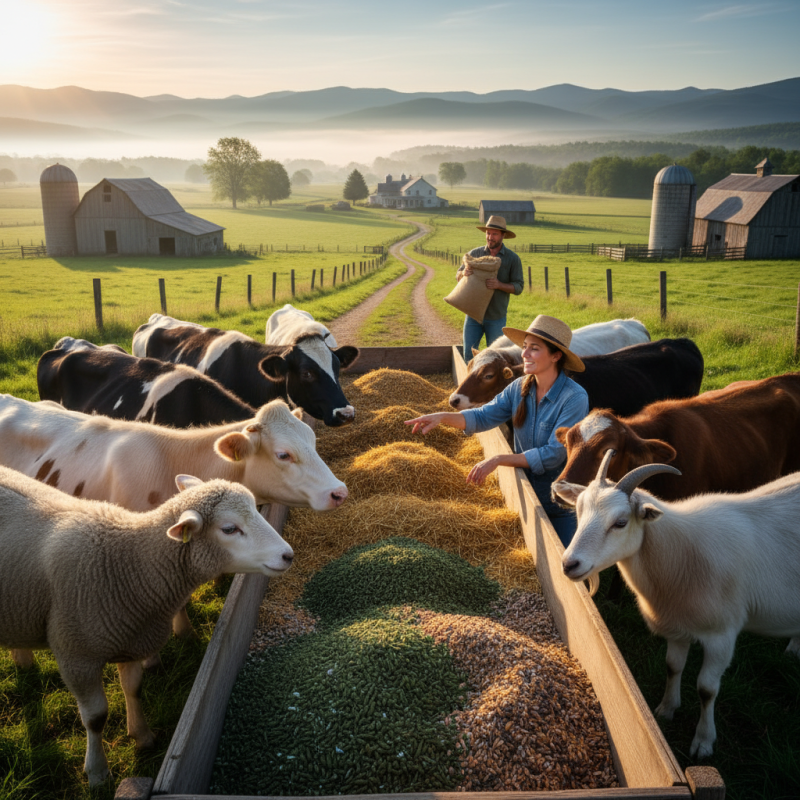
Understanding Livestock Nutritional Needs Based on Species
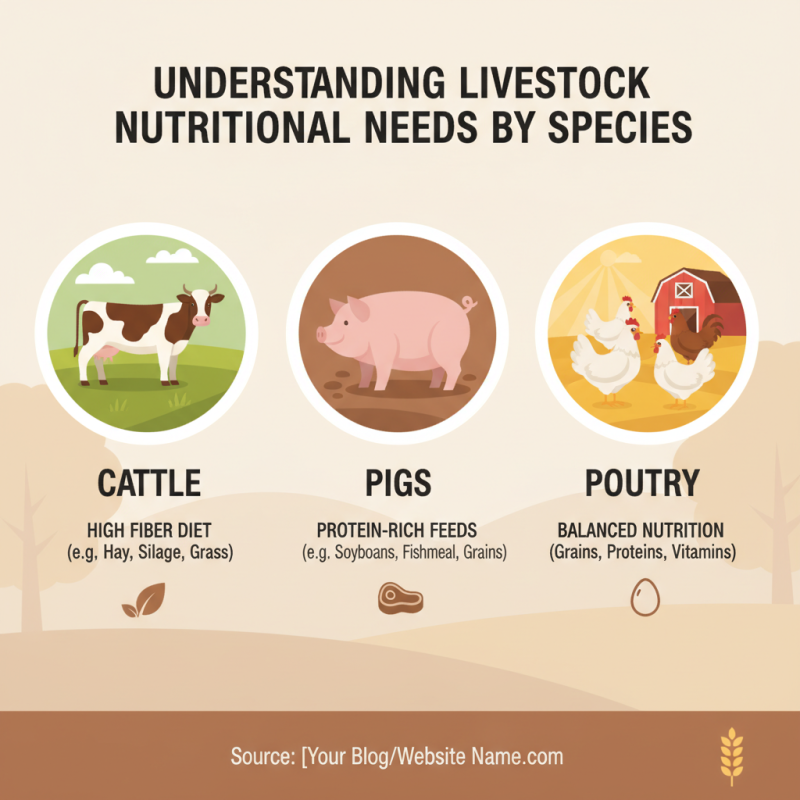
Choosing the right livestock feed requires understanding the specific nutritional needs of each species. Nutritional requirements can vary greatly. Cattle, for example, need a diet high in fiber, while pigs thrive on protein-rich feeds. Poultry requires balanced nutrition that combines grains, proteins, and vitamins.
When formulating feed, consider age, weight, and health status. Young animals need more nutrients for growth. Mature livestock have different needs to maintain health and productivity. It's not uncommon to overlook these factors. For example, an adult cow needs different minerals than a calf. Neglecting these details can impact overall farm productivity.
Regularly evaluating your feeding program is essential. Nutrition needs may change due to season or growth phases. Adjusting feed ratios is crucial. Yet many farmers hesitate to modify their strategies. Remember, ongoing adjustments can lead to better health and performance in your livestock.
Evaluating Different Types of Livestock Feed Ingredients
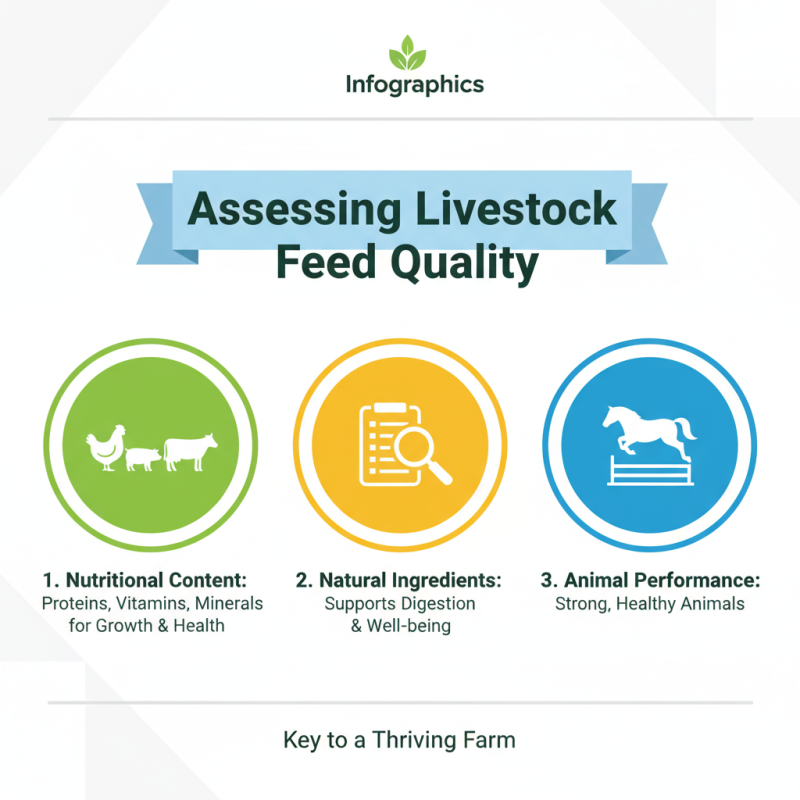
When evaluating livestock feed ingredients, several key factors come into play. Nutritional content is critical. Ingredients like corn, soybean meal, and alfalfa provide essential proteins, fibers, and energy. According to the National Research Council, a well-balanced diet influences livestock growth and production to a large extent.
Consider the digestibility of the feed ingredients. Not all feeds are equally digestible. For example, studies show that cattle digest alfalfa better than grass hay, affecting weight gain and milk production. Understanding these differences can help farmers optimize feed for various livestock types.
Tips: Look for locally available ingredients to reduce costs. Test different formulations to see which works best. Monitor livestock for health and performance changes when altering their diets. Regularly reviewing feed efficiency can lead to better cost management. Remember, not all feed strategies will suit every situation; experimentation and observation are vital.
Evaluating Different Types of Livestock Feed Ingredients
Calculating the Right Feed Ration for Your Farm's Livestock
Calculating the right feed ration for livestock is crucial for farm efficiency. Studies show that a well-balanced diet can improve animal performance by 20-30%. This makes careful measurement essential. Livestock require specific nutrients, like proteins and minerals, depending on their age and production goals. For instance, young calves need higher protein levels for growth. In contrast, mature dairy cows may require more energy in their diets to support milk production.
It's also important to assess forage quality. Poor forage can lead to nutrient deficiencies, affecting animal health. A report from the National Animal Feed Coalition indicates that up to 60% of feed costs come from purchasing quality forage. Farmers should regularly test forage and adjust rations accordingly. Incomplete rations can lead to metabolic issues, causing long-term consequences. Monitoring body condition scores can help farmers fine-tune feeding strategies. If animals are losing weight, it might indicate an inadequate feed ration.
Farmers should collect data regularly. Logs of feed intake, growth rates, and animal health can provide insights. Understanding these factors can lead to better decisions. Balancing feed rations requires observation and adjustment. Without careful attention, farms risk losing money and compromising livestock wellbeing.
How to Choose the Best Livestock Feed for Your Farm? - Calculating the Right Feed Ration for Your Farm's Livestock
| Livestock Type |
Daily Feed Requirement (lbs) |
Nutritional Components (%) |
Cost per Ton ($) |
Protein Content (%) |
Fiber Content (%) |
Energy Content (Mcal/kg) |
| Beef Cattle |
25 |
70 |
250 |
14 |
18 |
2.5 |
| Dairy Cows |
30 |
75 |
300 |
18 |
20 |
3.0 |
| Pigs |
8 |
65 |
280 |
20 |
10 |
3.5 |
| Sheep |
10 |
68 |
200 |
16 |
12 |
2.8 |
| Goats |
6 |
70 |
220 |
15 |
15 |
2.9 |
Monitoring Livestock Health and Performance Post-Feed Adjustment
Monitoring livestock health following feed adjustments is crucial for maximizing productivity. After changing feed, observe behaviors and physical conditions closely. Signs of distress can appear, such as reduced appetite or unusual lethargy. Regular checks can reveal how animals are responding to new nutrients.
Record any changes in weight or milk production. These metrics can indicate whether the new feed is beneficial. Unexpected fluctuations might signal issues with ingredient quality or nutritional balance. Keeping a daily log of health indicators creates a clearer picture over time.
Engagement with a veterinarian can also provide insights. They can recommend follow-ups or tests to monitor essential health markers. Analyzing herd performance trends helps identify patterns that lead to successful feeding strategies. Adjusting feed is not just a numbers game; the overall well-being of livestock matters deeply. Regular reflection on these observations can guide future decisions.