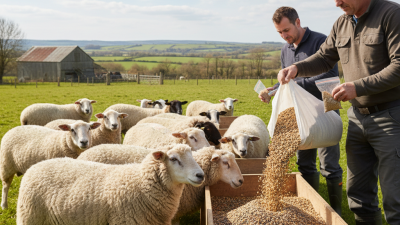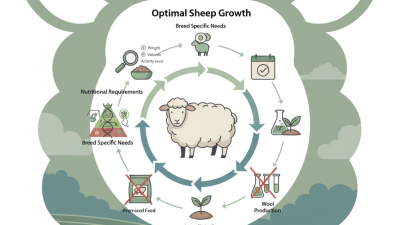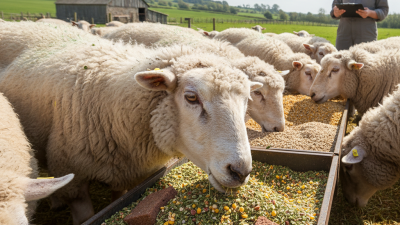
Choosing the best sheep feed begins with the animals, not the bag. A growing lamb, a dry ewe, and a ewe nursing twins have different needs. Good-quality pasture or hay usually forms the foundation, while extra energy or protein may be needed during particular stages. Look closely at the forage: Is the hay leafy and clean, or dusty with coarse stems? Small details matter.
There is no single feed that suits every flock. Not even close. Consider age, body condition, pregnancy, milk production, and the quality of available forage before choosing a supplement. Read the feed label carefully, and select minerals made specifically for sheep. Sheep can be sensitive to excess copper, which may build up and cause serious harm. Fresh water and a gradual transition to any new ration matter too. A sudden change can disrupt digestion.
A practical feeding plan should be checked against real conditions. Watch whether sheep maintain healthy body condition, eat normally, and leave unusual amounts of feed behind. Keep basic records of feed changes and flock performance; they can reveal patterns that memory misses. Still, a record cannot explain every problem. When needs are unclear, ask a veterinarian or qualified livestock nutrition adviser to review the ration and forage. The best sheep feed is not necessarily the most expensive option. It is the feed that fits the flock, supports its health, and can be managed consistently.
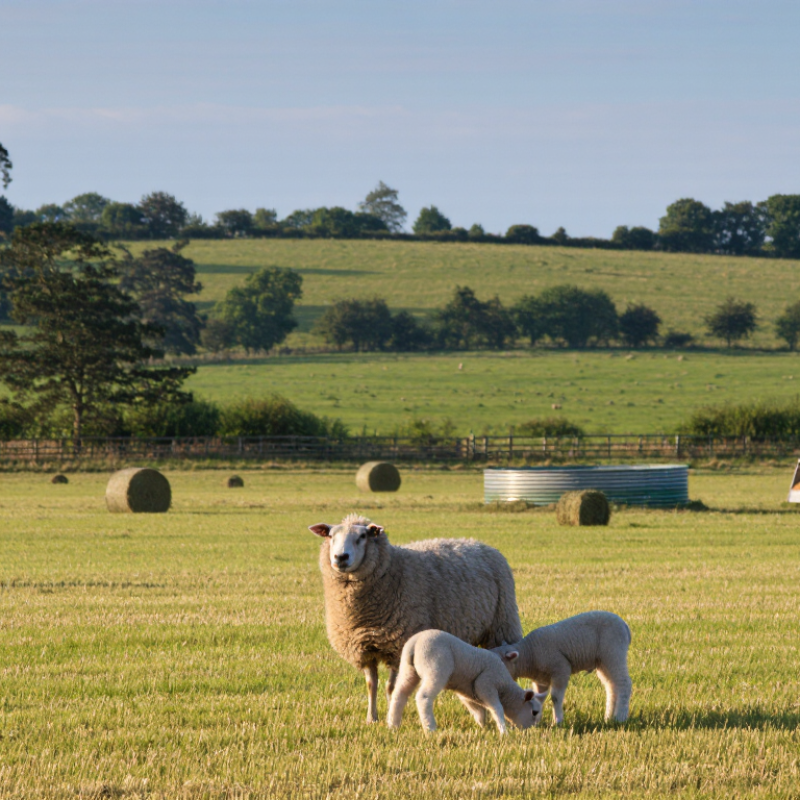
A sheep’s feed needs change with age, pregnancy, milk production, and activity. A growing lamb needs enough energy and protein to build muscle, while a dry adult ewe may do well on good pasture or suitable hay. Look closely at the forage: leafy, clean hay differs greatly from coarse, dusty bales. Sheep should also have constant access to clean water. Even small water shortages can reduce feed intake.
Start with forage, then choose supplements to fill specific gaps rather than simply adding more grain. Too much grain can upset digestion, so introduce any change gradually over several days. Check body condition by feeling the ribs beneath the fleece; wool can hide weight loss.
Mineral needs matter, too. Sheep are sensitive to excess copper, so use a mineral mix formulated for sheep, not a general livestock blend. Feed labels help, but they cannot reveal every pasture deficiency. That part takes observation.
Keep notes on appetite, manure, and body condition, and ask a veterinarian or qualified nutritionist to assess persistent problems. I might assume a full feeder means a well-fed flock; it does not. A shy ewe may be pushed aside, and a lamb may need a different ration.
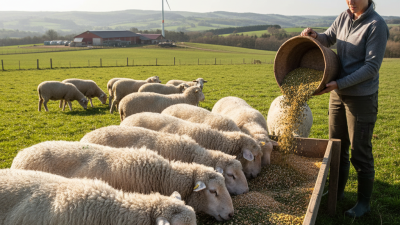
A lamb’s feed should match its age, not just the label on the bag. Young lambs need palatable, digestible feed while their rumens develop, alongside clean water and access to forage. At weaning, change diets gradually; a sudden switch can upset digestion. Watch how they actually eat. Small details matter.
For adult ewes, body condition and production stage guide the ration. The Agriculture and Horticulture Development Board (AHDB) notes that much of a lamb’s growth occurs during the final six weeks of pregnancy, when energy needs rise, especially for ewes carrying twins. The National Research Council’s Nutrient Requirements of Small Ruminants (2007) likewise bases requirements on factors including body weight, pregnancy, and milk production. In early lactation, adequate energy and protein support milk supply; later, many ewes can return toward maintenance feeding. Health changes the picture: poor teeth, parasites, or illness can reduce intake, so a ration that works for a healthy ewe may fail for another. Check body condition and forage quality, and seek veterinary or nutrition advice when animals lose weight. Sheep mineral needs also differ from those of other livestock; excess copper can be harmful. Feed plans are not perfect on paper. Adjust them to what the flock is showing.
How to Choose the Best Sheep Feed?
For most sheep, forage—pasture, hay, or silage—forms the daily foundation. It supports rumination and supplies fiber. Look closely at what the flock actually eats, not just what is offered. Good forage matters. Stemmy hay may look plentiful but offer less usable nutrition than leafy, clean hay. Forage testing can reveal protein and energy levels that appearance cannot.
Concentrates, such as grain or formulated pellets, provide extra energy or protein when forage alone falls short. Growing lambs, late-pregnancy ewes, and lactating ewes may have higher needs. Match the amount to body condition and production stage, and introduce changes gradually. More is not always better. Excess concentrate can disrupt digestion, especially when animals switch feeds abruptly.
Supplemental feeds include minerals, salt, and targeted nutrients. Sheep need carefully balanced minerals, and excessive copper can be harmful, so choose products made specifically for sheep. Check forage and water quality where practical, then ask a veterinarian or qualified nutritionist about local deficiencies. A tidy ration on paper can still miss what animals actually eat. Watch appetite, manure, and body condition; those daily details may prompt a second look.
| Feed type | Typical examples | Typical crude protein | Typical energy (TDN) | Main role | Best suited for | Key considerations |
|---|---|---|---|---|---|---|
| Fresh pasture forage | Mixed grass pasture; grass-legume pasture | About 8–25% of dry matter, depending on species and maturity | About 50–75% of dry matter | Provides fiber, energy, protein, and grazing activity | Most sheep when pasture is plentiful and of suitable quality | Nutrient value changes with plant type, season, and maturity. Introduce lush legume pasture gradually to reduce the risk of bloat. |
| Grass hay | Timothy, orchardgrass, brome, or other locally available grass hay | About 6–14% of dry matter | About 48–62% of dry matter | Supplies forage fiber and helps maintain rumen function | Maintenance diets and as a forage base when pasture is limited | Mature or weather-damaged hay may be low in nutrients. Check for mold, dust, and contamination. |
| Legume hay | Alfalfa or clover hay | About 14–22% of dry matter | About 55–65% of dry matter | Provides forage fiber with more protein and often more calcium than grass hay | Growing lambs and higher-demand ewes, when the ration needs more protein | Quality varies with harvest maturity. Balance the whole ration rather than assuming more protein is always beneficial. |
| Cereal grain concentrate | Barley, corn, oats, or wheat | Usually about 8–14% of dry matter | Usually about 78–90% of dry matter | Adds concentrated energy to the ration | Late-pregnant or lactating ewes and growing lambs when forage alone is insufficient | Increase gradually and maintain adequate long-stem forage. Excess or sudden grain feeding can cause acidosis and other digestive problems. |
| Protein concentrate | Soybean meal or canola meal | Soybean meal: about 44–48%; canola meal: about 34–40% of dry matter | Varies by ingredient; generally energy-dense compared with forage | Raises ration protein when forage or grain-based diets are protein-deficient | Animals with higher protein needs, subject to ration assessment | Use only when needed to balance the ration; these ingredients are not a substitute for adequate forage. |
| Sheep-specific mineral supplement | Loose mineral or a formulated mineral mix labeled for sheep | Not a meaningful protein source | Not a meaningful energy source | Supplies minerals that may be deficient in the forage or ration | Sheep whose diet requires mineral supplementation, based on feed and water conditions | Choose a sheep-formulated product. Sheep are sensitive to excess copper; avoid cattle or goat mineral mixes unless a qualified nutrition professional confirms they are appropriate. |
| Vitamin supplement | A veterinarian- or nutritionist-recommended vitamin supplement | Not a meaningful protein source | Not a meaningful energy source | Addresses specific vitamin gaps or increased needs | Situations where diet, season, health, or management creates a confirmed need | Do not assume every flock needs extra vitamins. Follow product directions and professional advice to avoid excessive intake. |
Note: Nutrient values are approximate typical ranges on a dry-matter basis; actual values vary with crop, maturity, harvest, storage, and analysis. Choose feeds according to the sheep’s age, body condition, production stage, forage test, and access to clean water. Consult a qualified livestock nutritionist or veterinarian when formulating a ration.
A good sheep ration starts with a representative feed test, not a confident guess from color or smell. The National Research Council’s Nutrient Requirements of Small Ruminants (2007) links nutrient needs to body weight and production stage, including growth, pregnancy, and lactation. As a field estimate, adult sheep may consume about 2–3% of body weight in dry matter daily; actual intake varies with forage quality and condition. Look closely. Ask a laboratory to test hay or silage for dry matter, crude protein, fiber, and minerals. Neutral detergent fiber helps assess intake potential, while acid detergent fiber offers clues about digestibility.
Safety deserves equal attention. Reject feed with heating, visible mold, or a musty odor, but remember that appearance cannot confirm safety. Use clean, dry storage, and keep feed away from manure and standing water. Check mineral labels and test ingredients where possible: sheep are especially vulnerable to excess copper, as noted in the NRC report. A “complete” ration can still be unsuitable for a particular flock. That is easy to overlook. Compare the analysis with animals’ age, pregnancy stage, and body condition, then ask a qualified sheep nutritionist or veterinarian to review uncertain results. One imperfect bale can change the calculation; testing it separately may be wiser than averaging it into a large batch.
Choosing sheep feed starts with the animal, not the sack. Ewes in late pregnancy, growing lambs, and dry adults have different needs. Build the ration around suitable forage, then adjust energy and protein to body condition and production stage. A forage analysis can reveal whether hay is low in protein or minerals; color and smell cannot confirm its nutrient value. Looks can mislead. Introduce any new feed gradually over several days, and keep clean water available. Sudden changes can upset rumen function, even when the new ration seems better.
Check sheep regularly, not just the feed label. Note body condition, appetite, manure consistency, and leftover hay. If animals lose condition, review forage quality and intake before simply adding grain. Too much concentrate can cause digestive problems. Mineral needs also depend on forage and local conditions; sheep are especially sensitive to excess copper, so use supplements formulated for sheep and seek professional advice when uncertain. I would not treat one feeding plan as permanent. Weather, pasture growth, and pregnancy can change needs, and small adjustments may take time to show results. A veterinarian or qualified livestock nutritionist can help interpret test results and refine the ration.
Typical crude protein targets vary with a sheep’s life stage. Use these ranges as a starting point, then adjust the ration to suit the animal, forage quality, and advice from a qualified nutritionist.