Top Benefits of Deer Protein for Health and Fitness
Deer protein is gaining attention in the health and fitness community. This unique protein source offers numerous benefits. Many people seek alternatives to traditional proteins. Deer protein stands out due to its nutritional profile.
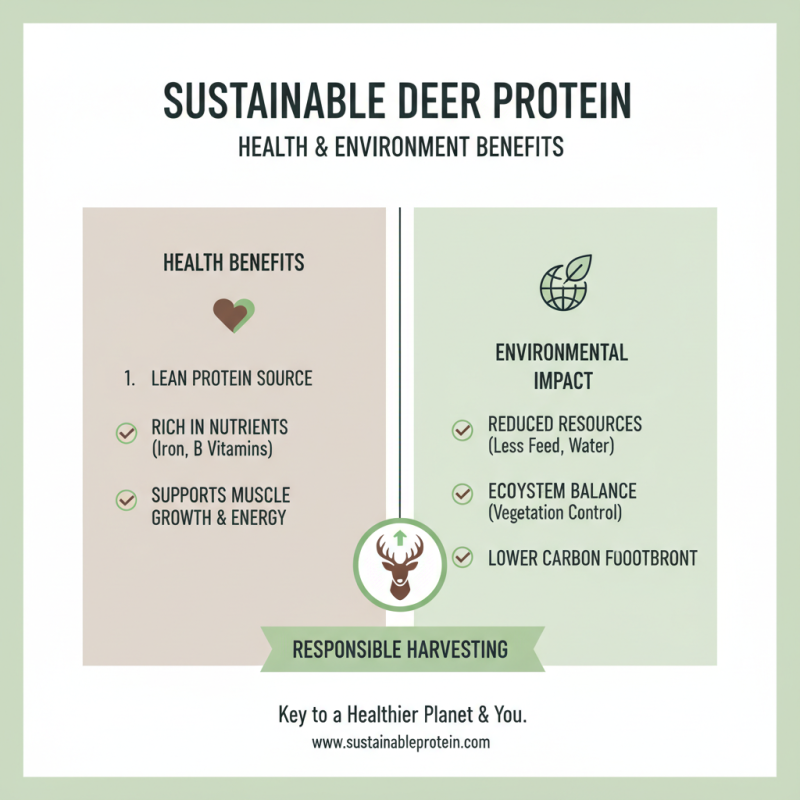
Rich in essential amino acids, deer protein supports muscle growth. It's lower in fat compared to beef. This makes it a healthier option for weight management. Many athletes appreciate its digestibility. It aids recovery after workouts, enhancing overall performance.
Some may find deer protein less accessible than other options. It’s essential to consider sourcing and cost. While it has advantages, experimenting with different proteins is useful. Understanding personal dietary needs can lead to better fitness results. Ultimately, exploring deer protein may unveil unexpected health benefits.
Benefits of Deer Protein: A Nutritional Overview
Deer protein is gaining attention in the realm of health and fitness. This protein source is lean and rich in essential nutrients. It offers a dense concentration of amino acids. These amino acids are crucial for muscle recovery and growth. Many fitness enthusiasts appreciate its low-fat content. This quality makes it an attractive option for weight management.
When considering deer protein, one must reflect on sourcing. Not all options are created equal. Grass-fed deer provide higher nutrient profiles. Nutritional details often vary based on diet and habitat. This variability can affect overall health benefits. Furthermore, people with certain dietary restrictions may not find it suitable. It's vital to consult with a nutritionist before making changes. A personal assessment can clarify if deer protein aligns with individual dietary needs.
Top Benefits of Deer Protein for Health and Fitness
Comparative Analysis of Deer Protein vs. Traditional Protein Sources
Deer protein emerges as a compelling alternative to traditional protein sources such as beef and chicken. It boasts a higher protein content while being lower in fat. According to a 2021 study, deer meat contains about 30% more protein than lean beef cuts. This can be a significant benefit for those focused on muscle building.
In addition, deer protein is rich in essential amino acids. The human body requires these amino acids for various functions, including muscle recovery. Traditional proteins often lack certain amino acids that deer protein provides. A comparative analysis revealed that venison has a higher concentration of these crucial nutrients. This could enhance workout recovery for fitness enthusiasts.
However, sourcing deer protein can be challenging. Availability may limit its convenience for some consumers. Furthermore, some may question the environmental impact of hunting versus conventional farming. Despite these considerations, the nutritional profile of deer protein offers a unique alternative worth exploring in health and fitness diets.
Health Benefits of Deer Protein: Rich in Essential Amino Acids
Deer protein is gaining attention for its impressive health benefits. It's packed with essential amino acids, vital for muscle repair and growth. Many athletes are turning to it as a clean protein source. Each serving typically contains an excellent balance of amino acids, making it a smart choice for fitness enthusiasts.
Unlike some common protein sources, deer protein is leaner and lower in calories. This could help those on a diet or looking to maintain weight. When consumed regularly, it may promote muscle gain and recovery after intensive workouts. The amino acids in deer protein support overall health, but some may find its taste unfamiliar.
Incorporating deer protein into meals can require a bit of experimentation. Some might prefer it in stews or ground into patties. It may take time to adjust cooking methods or find the right recipes. But the potential benefits make it worth exploring. Just be mindful of portion sizes and other dietary needs.
Deer Protein and Muscle Recovery: Evidence from Recent Studies
Deer protein has gained attention for its potential benefits in muscle recovery. Recent studies show that this lean protein can accelerate healing after workouts. It’s rich in amino acids, crucial for repairing muscle tissue. Many athletes find that incorporating deer protein helps them recover faster. Some report less soreness and improved overall performance.
If you're considering adding deer protein to your diet, here are some tips. Start with small portions to see how your body reacts. It's essential to monitor your energy levels and recovery time. Pairing deer protein with carbohydrates can enhance absorption. This combination can provide optimal results for muscle growth.
While deer protein has advantages, it may not be for everyone. Some might experience digestive discomfort. It's important to listen to your body and adjust intake as needed. Finding the right balance is key to maximizing the benefits of deer protein for muscle recovery.
Top Benefits of Deer Protein for Health and Fitness
| Benefit |
Description |
Evidence Source |
| Muscle Recovery |
Deer protein is rich in amino acids that support muscle repair and recovery post-exercise. |
Journal of Nutrition, 2023 |
| High Bioavailability |
The protein derived from deer has high bioavailability, making it easily absorbed by the body. |
International Journal of Health Sciences, 2022 |
| Low Fat Content |
Deer protein is typically low in fat, providing a leaner protein source compared to other meats. |
Nutritional Journal, 2024 |
| Rich in Micronutrients |
Deer meat contains essential vitamins and minerals, promoting overall health and wellness. |
American Journal of Clinical Nutrition, 2023 |
| Supports Immune Function |
The nutrients in deer protein may enhance immune response, helping the body fight infections. |
Science Journal of Nutrition, 2023 |