10 Essential Tips for Choosing the Best Sheep Feed
Choosing the right sheep feed is crucial for a successful flock. Sheep are unique animals with specific nutritional needs. Selecting the best feed impacts their health, growth, and productivity.
Many factors affect your choice of sheep feed. Ingredients, source, and formulation all matter. Not all feed is created equal. Sometimes, what seems ideal may not be beneficial in the long run. Pay attention to the quality of nutrients and additives.
Look for reliable suppliers. Test feed samples when possible. Many farmers overlook this step, assuming all feeds are satisfactory. This could lead to problems like poor growth or health issues. Evaluating the feed can prevent costly mistakes. Remember, good sheep feed is an investment in your flock's future.
Understanding Nutritional Needs of Sheep for Optimal Health
Choosing the right feed for sheep involves understanding their nutritional needs. Sheep require a balanced diet for optimal health. Different stages of life demand different nutrients. For instance, pregnant ewes need extra protein and energy. Consider their age, weight, and health status when selecting feed.
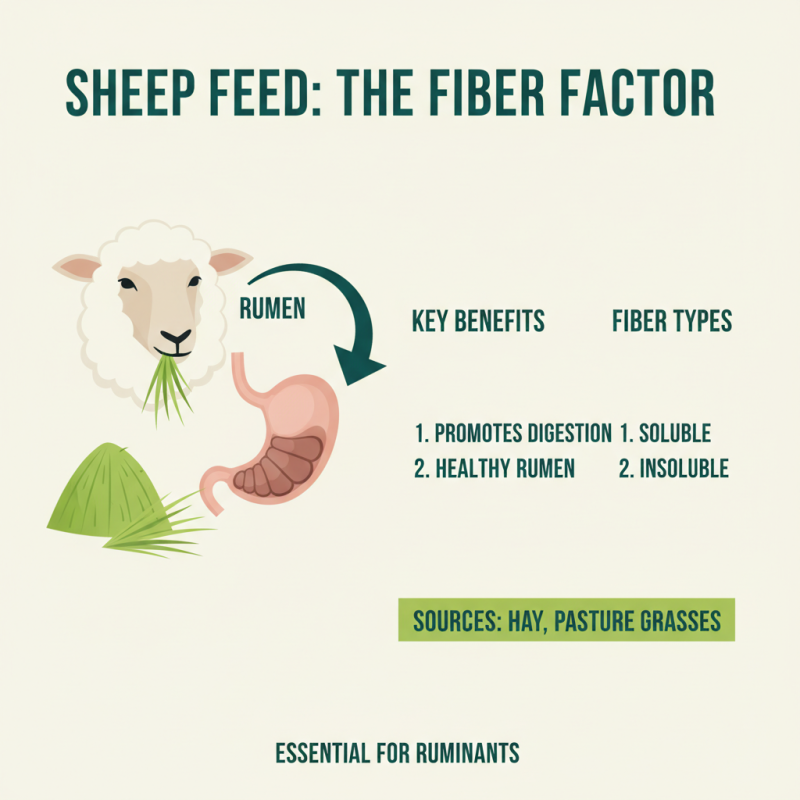
Tip: Always read feed labels. Look for ingredients that provide essential vitamins and minerals. For example, find feeds rich in fiber. This helps promote healthy digestion. However, some feeds may contain additives that aren’t necessary. Be cautious about them.
Another consideration is forage. Grass and hay should be a significant part of their diet. Fresh pasture can be an excellent source of nutrients. However, not all pastures are the same. Quality can vary, so inspection is key. Observing your sheep’s behavior can reveal if their diet is adequate. If they seem less energetic, it might be time to reevaluate their feed.
Evaluating Protein Content: A Key Factor in Sheep Feed Selection
When selecting sheep feed, evaluating protein content is crucial. Protein supports growth, reproduction, and overall health in sheep. According to a study by the National Sheep Industry, optimal protein levels range from 14% to 18% for lactating ewes, while growing lambs may benefit from 16% to 20%. These levels ensure that sheep receive adequate nutrition for their specific life stages.
One tip: analyze feed labels for protein content. Look for sources like soybean meal or alfalfa, which are rich in protein. Not all feeds are created equal. Some may claim high protein but lack digestibility. It's vital to assess quality, not just quantity. Another tip: consider the sheep's production goals. Breeding or finishing sheep may require a higher protein level compared to maintenance diets.
Sometimes, sheep may not consume their feed with the required protein content. Check for palatability and any additives that could affect taste. If sheep reject the feed, protein intake will suffer. Moreover, monitor the overall diet. Protein should be balanced with energy and fiber for optimal results. Feeding strategies should be revisited regularly to align nutrition with sheep health needs.
Choosing Vitamins and Minerals: Essential Nutrients for Sheep Growth
When selecting sheep feed, it’s crucial to focus on vitamins and minerals. These nutrients significantly impact sheep growth, health, and productivity. According to a report by the National Sheep Improvement Program, deficiencies in vitamins and minerals can lead to stunted growth and decreased wool production. For instance, a lack of selenium can result in white muscle disease, which affects muscle function.
Vitamins A, D, and E are essential for maintaining the health of sheep. Vitamin A promotes growth and reproductive efficiency, while Vitamin E plays a role in immune function. Commonly overlooked, minerals like calcium and phosphorus are vital as well. Studies show that an imbalance in these minerals can lead to poor bone development in lambs.
Choosing the right mix can be challenging. Farmers often face the issue of inadequate nutrient information from feed suppliers. Poor label information can lead to misguided choices. Inadequate nutrition not only affects animal health but also impacts farm profitability. A balanced approach, including proper supplementation, is necessary for optimal sheep development. Investing in nutrient-rich feed is not just beneficial; it’s essential.
Comparing Feed Types: Grains, Forages, and Commercial Blends
Choosing the right feed for sheep is crucial for their health and productivity. When comparing feed types, grains, forages, and commercial blends stand out as the main options. Grains, such as corn and barley, are high in energy. They can boost weight gain in lambs. However, excessive grain feeding can lead to digestive issues. This is something farmers must monitor closely.
Forages, like hay and pasture, are vital for sheep. They offer necessary fiber. Research indicates that a diet rich in fiber promotes proper rumen function. According to industry reports, about 25-30% of a sheep’s diet should consist of high-quality forage. However, relying solely on forages might not meet all nutritional needs. It requires careful balancing with other feed types.
Commercial blends simplify feeding. They are formulated to provide a balanced diet. Yet, not all blends are created equal. Some may lack essential nutrients. It’s important to read labels carefully. Farmers should consider the specific needs of their flock. Different stages of growth require different nutrient levels. Recognizing these details can lead to a more productive flock, but it calls for continuous evaluation and adjustment.
10 Essential Tips for Choosing the Best Sheep Feed - Comparing Feed Types: Grains, Forages, and Commercial Blends
| Feed Type |
Nutritional Benefits |
Cost per Ton |
Usage Recommendations |
| Grains |
High energy source, promotes growth and lactation |
$250 - $300 |
Ideal for finisher diets and breeding ewes |
| Forages |
Rich in fiber, aids digestion, maintains health |
$150 - $200 |
Best for maintenance and gestation periods |
| Commercial Blends |
Balanced nutrition tailored for sheep |
$300 - $350 |
Recommended for high production and specialized diets |
| Protein Meals |
Enhances muscle development, energy source |
$350 - $400 |
Useful for growing lambs and lactating ewes |