10 Essential Tips for Choosing the Best Feed Store for Your Needs?
Finding the right feed store can significantly impact your farming or pet care experience. The best feed store offers a range of products that meet your specific needs. Consider what you want to achieve. Are you feeding livestock or pets? Each demands different nutrients.
Quality and variety are essential. A good feed store should have a diverse selection of feeds, supplements, and supplies. However, they may not stock everything you need. Be prepared to ask questions. Knowledgeable staff can help guide you. Sometimes, what they suggest may surprise you.
Location matters too. A conveniently located feed store saves time and transportation costs. Yet, driving further might lead you to a better selection. Think about your priorities. Making the right choice involves more than just convenience. It's about finding a store that understands your requirements. Reflect on what works for you. A little research goes a long way in ensuring you choose the best feed store.
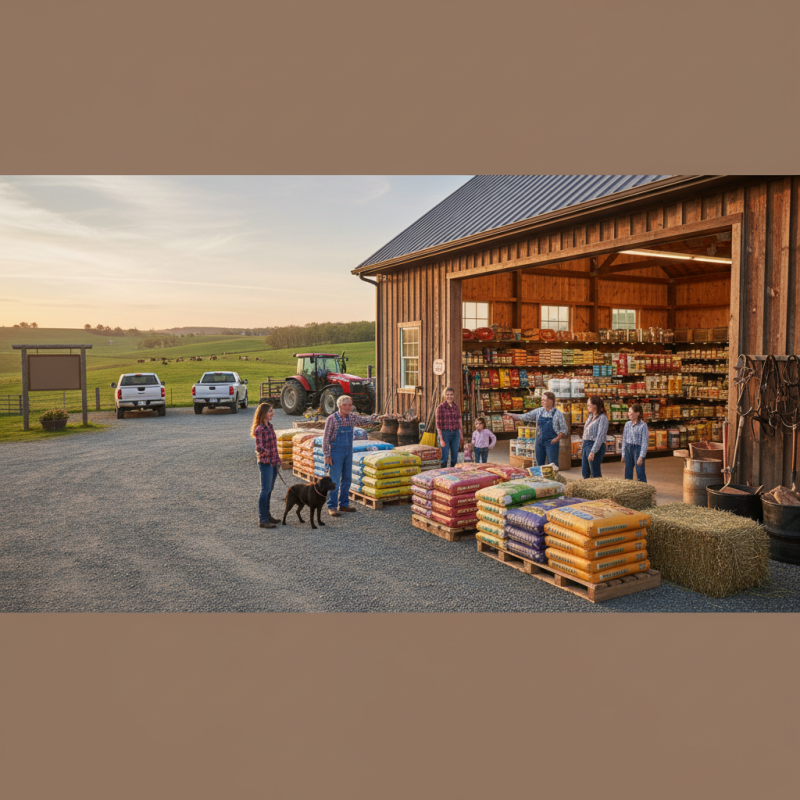
Understanding Your Specific Feed Requirements
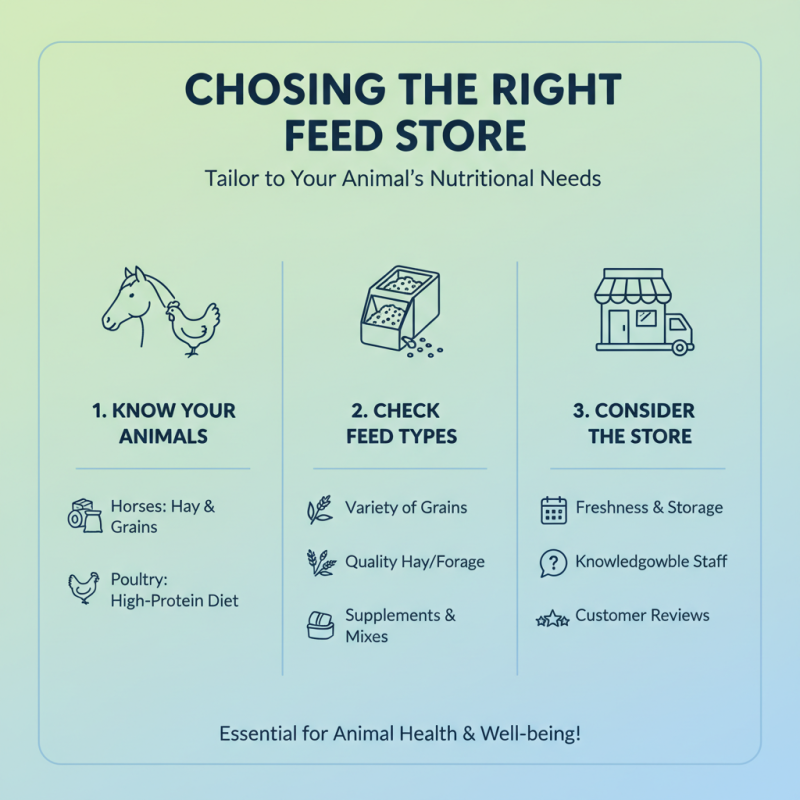
Understanding your specific feed requirements is essential for selecting the best feed store. Every animal has unique nutritional needs. Horses, for example, thrive on a mix of hay and grains. Poultry, on the other hand, requires a balanced diet rich in protein. Knowing what your animals need helps you choose the right types of feed.
Consider the age and health of your animals. Young animals may need specific formulations for growth. Older animals might require feed that supports joint health. Sometimes, it’s hard to determine the exact nutritional requirements. Do your research or consult with a vet. Examine the feed’s ingredients closely. Look for fresh and organic options when available. You might find the perfect feed, but consider how it affects your animals' health over time. Monitoring them closely can reveal if adjustments are needed.
Pay attention to the store's reputation and customer service. Ask fellow farmers about their experiences. Plan visits to different stores and assess their inventory. A clean, organized store indicates quality. However, don't just rely on appearance; evaluate the knowledge of the staff. Inquire about potential feed alternatives. Sometimes, the best choice isn’t obvious at first glance.
Researching Local Feed Stores and Their Offerings
When you begin your search for a feed store, local options are often the best. Visit your community and see what’s available. Pay attention to the variety of products they offer. Some stores may focus on specific animals or crops. Others may have a wider selection. Knowing what you need can help narrow your choices.
Look for reviews of local feed stores. Online platforms can provide insights into others’ experiences. Recommendations from friends or neighbors can be invaluable. Sometimes, a store may appear ideal, but its customer service might be lacking. Don’t overlook this aspect.
Consider visiting potential stores to assess their offerings. Are products well-organized? Is the store clean? A tidy store reflects good management. You might also come across knowledgeable staff willing to share advice. Additionally, ask about bulk purchasing options. This could save you money in the long run. If a store doesn’t meet these criteria, it might not be the right fit for you.
Assessing Customer Service and Support Standards
When selecting a feed store, customer service plays a critical role. Good service can be the difference between a positive experience and frustration. You should look for staff who are friendly and knowledgeable. They should be eager to assist, answer questions, and provide recommendations based on your specific needs.
Before making a decision, visit the store if possible. Take note of how staff interact with customers. Do they offer help without being asked? Are they genuinely interested in ensuring you find the right products? These interactions can provide insight into the store's service standards.
Another important factor is after-sales support. A good feed store should be willing to discuss any concerns after your purchase. They should provide guidance if you encounter any issues related to the feed or its usage. Prioritize stores where you feel valued and supported. This makes the process easier and more enjoyable, especially when dealing with livestock or pets.
10 Essential Tips for Choosing the Best Feed Store for Your Needs
Considering Price, Promotions, and Loyalty Programs
When choosing a feed store, price is a significant factor. According to industry reports, over 65% of consumers consider price as their top priority. Some stores offer bulk discounts. This can lead to significant savings for those purchasing large quantities. Promotions can also attract attention. Seasonal discounts or loyalty programs can enhance value.
Loyalty programs are increasingly popular. They not only reward regular customers but also create a community. Roughly 54% of pet owners feel more loyal when they receive rewards. Such benefits can range from discounts to exclusive access to products. However, not all programs deliver tangible savings. Some might require substantial spending before you feel the benefits.
Understanding the terms and benefits of these programs is essential. Many consumers overlook the fine print. Are the rewards worth the commitment? This uncertainty leads to dissatisfaction for some. Consider the overall experience, not just the numerical savings. The right feed store should balance price, promotions, and loyalty.