10 Essential Tips to Enhance Livestock Performance for Better Productivity
Livestock performance is crucial for maximizing productivity in the agricultural sector. According to the Food and Agriculture Organization (FAO), livestock production contributes to over 40% of the global agricultural gross output. Improving livestock performance can lead to higher yields and better quality products. For example, enhancing cattle feed and health management can increase milk production by 25%.
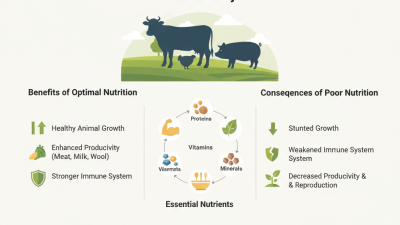
However, many farmers face challenges in achieving optimal livestock performance. Factors such as inadequate nutrition, disease management, and poor breeding practices often hinder progress. Research shows that improving nutrition alone can boost growth rates by up to 30%. Yet, some farmers overlook these essential elements, leading to wasted resources and lower profits. It is vital to recognize these gaps to implement effective strategies.
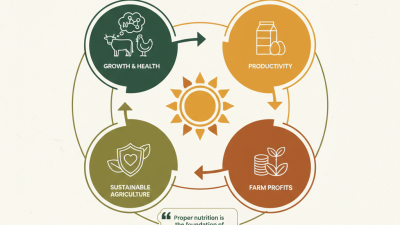
By focusing on targeted interventions, farmers can significantly enhance livestock performance. Investing in health, genetics, and feeding programs helps build a resilient livestock system. As the global demand for animal products rises, addressing these challenges becomes increasingly important for sustainable growth in the industry. Each producer must reflect on their practices to embrace improvements effectively.
Strategies to Optimize Feed Efficiency for Livestock Productivity
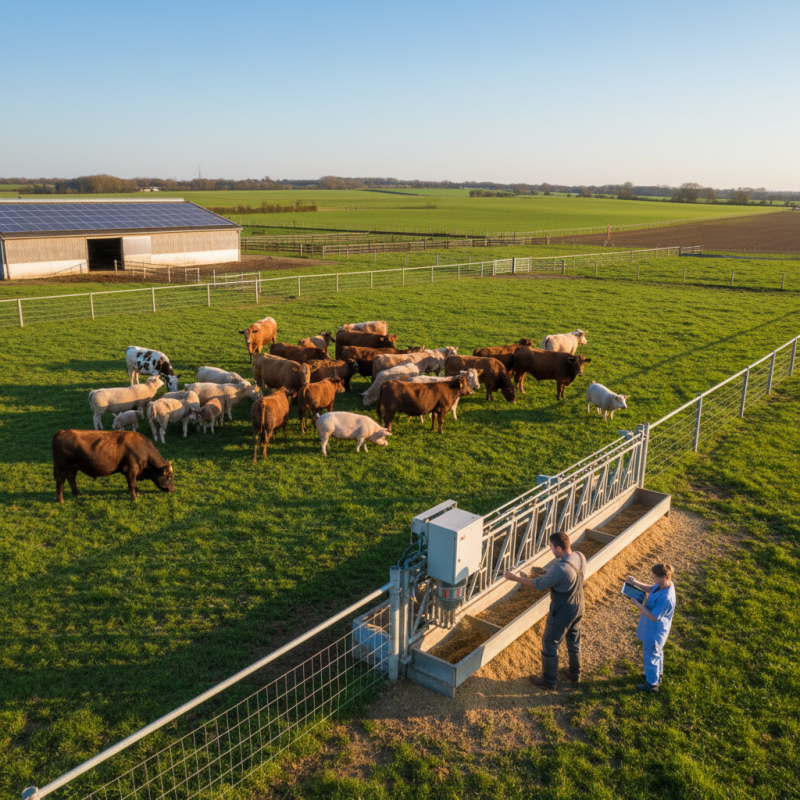
Feed efficiency is a key factor in livestock productivity. According to the USDA, optimizing feed can improve conversion rates by 10-30%. This means better weight gain and lower costs. High-quality feed ingredients significantly enhance nutrient absorption. For example, adding grains can boost energy levels, but it also raises costs.
Monitoring feed intake is crucial. Research shows that livestock's feed behavior affects overall efficiency. The right balance of fiber and protein influences how animals digest and utilize nutrients. Yet, uneven feed distribution can lead to wastage and lower productivity. Farmers should evaluate their feeding techniques regularly.
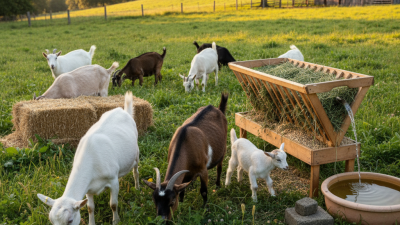
Another area for reflection is water access. Oftentimes, livestock do not consume enough water, impacting their feed intake and health. Providing clean, fresh water can make a notable difference. Lastly, using technology to monitor feeding patterns can help identify inefficiencies. However, implementing tech solutions comes with its challenges, often requiring investments that not all farmers can afford.
Understanding the Importance of Genetic Selection in Livestock Management
Genetic selection is a cornerstone of effective livestock management. Optimizing traits such as
growth rate, feed efficiency, and disease resistance can lead to significant productivity gains. According to a
2021 report by the Food and Agriculture Organization, improving genetic traits can increase average
meat yield by up to 30%. This enhances not only the
profitability but also the sustainability of livestock farming.
However, achieving optimal genetic selection is not always straightforward. Many farmers face challenges in
identifying the best breeding stock. Limited access to genetic data and resources can hinder decisions.
Additionally, there's the risk of inbreeding, which can lead to health problems. A study published in the
Journal of Animal Science highlights that inbreeding can reduce fertility by about
15%. This underscores the need for careful selection
and management practices to ensure a healthy gene pool.
Moreover, genetic traits that are beneficial today may not remain advantageous in the future. As climate
change alters the environment, livestock that thrived in past conditions may struggle. Adapting to these
changes requires ongoing research and flexibility in genetic selection strategies. Understanding current
needs is crucial, but foresight is equally important to prepare for an unpredictable future.
Utilizing Technology for Livestock Monitoring and Performance Analysis
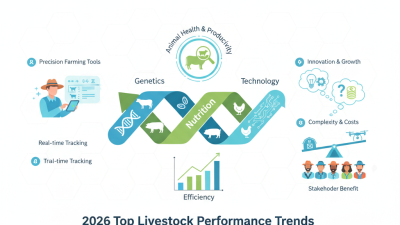
In today's agriculture, technology plays a crucial role in livestock monitoring. Sensors can track the health and activity levels of animals. Data collected helps farmers make informed decisions quickly. For instance, GPS collars can show grazing patterns. This can help identify under-utilized pastures.
However, relying solely on technology can lead to oversight. Farmers may miss subtle signs of distress or illness. A device cannot replace a careful observation of animal behavior. Integrating technology requires a balance with traditional methods. Regular check-ups remain essential.
Performance analysis software can analyze trends over time. This can highlight areas for improvement. Yet, interpreting the data isn't always straightforward. Misunderstandings can arise if data is taken at face value. Continuous learning and adaptation are necessary. Embracing technology means being proactive and reflective.
Livestock Performance Analysis
Enhancing Animal Welfare Practices to Improve Growth Rates and Yield
Animal welfare is crucial for enhancing livestock productivity. When animals are comfortable and healthy, their growth rates improve significantly. Providing adequate space, proper nutrition, and clean living conditions can boost overall performance. For instance, overcrowded facilities can lead to stress and illness. These factors ultimately slow growth and reduce yields.
Regular health checks are essential. Monitoring for signs of disease early can prevent larger issues. Simple actions, like ensuring a balanced diet, can greatly affect overall well-being. Yet, many farms still overlook these basic needs. It's important to remember that happy animals produce better-quality products.
Incorporating recreational spaces can also enhance their lives. Outdoor access allows animals to engage in natural behaviors. Proper care and attention can seem demanding, but the rewards are undeniable. Improving animal welfare is not just a moral duty; it directly influences the bottom line.