What is Game Bird Feed and How to Choose the Best Options?
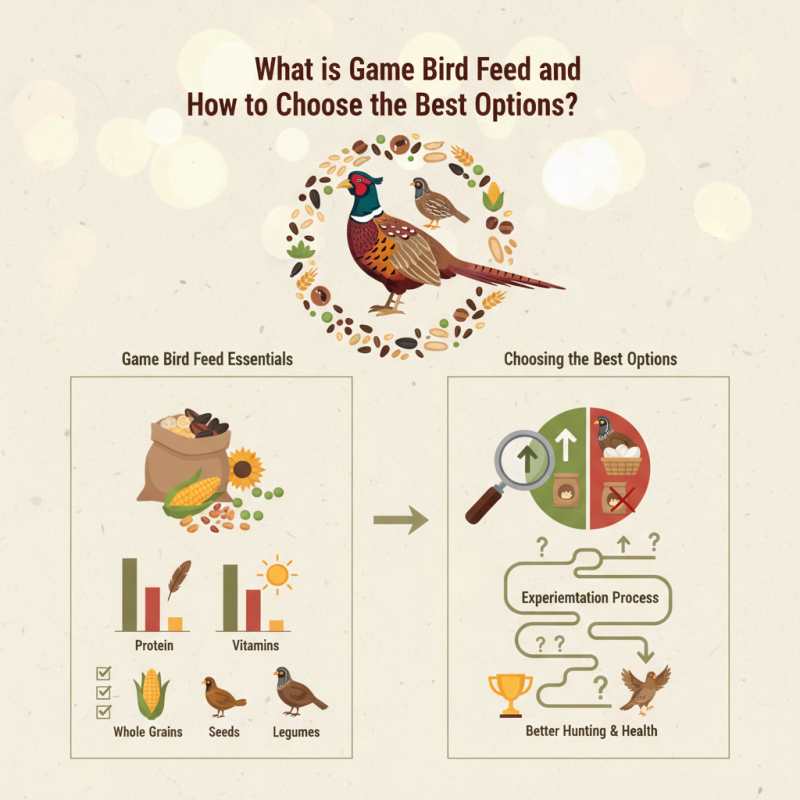
Choosing the right game bird feed is essential for the health of your birds. Different species have unique dietary needs that must be met. Game birds, such as pheasants and quails, require a specialized diet to thrive and reproduce.
When selecting game bird feed, consider the nutritional content. Look for feeds high in protein and essential vitamins. Also, pay attention to the ingredients list. Whole grains, seeds, and legumes are important for balanced nutrition. A high-quality game bird feed can significantly impact growth and egg production.
However, not all feed is created equal. Some commercial feeds may contain fillers or low-quality ingredients. Reflecting on your options is wise. You might need to experiment to find the best feed for your birds. This process can be challenging but is crucial for their well-being. Quality feed not only ensures healthy birds but also supports better hunting experiences.
Understanding Game Bird Feed: An Overview
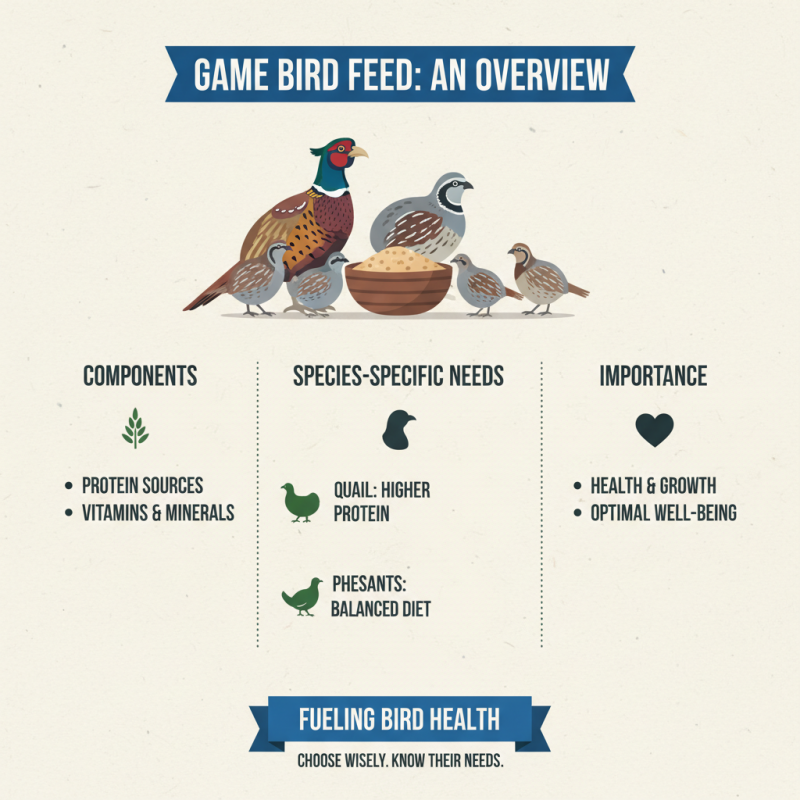
Game bird feed is crucial for the health and growth of different bird species. It typically consists of grains, protein sources, and vitamins. Each type of bird has specific dietary needs. For instance, quail often require higher protein levels than pheasants. Choosing the right feed can make a big difference and sometimes not enough is known about these needs.
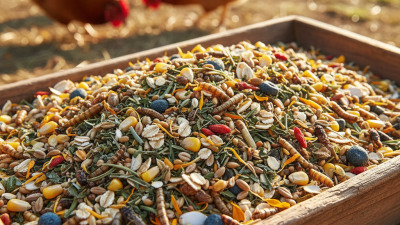
When selecting game bird feed, consider ingredients carefully. Look for whole grains like corn and wheat. Protein sources can include soybean meal and insect larvae. Focus on vitamins and minerals as well, which support overall health. Some mixes contain fillers that may not benefit the birds. It's important to scrutinize the label and ensure quality.
Feeding game birds is not without challenges. Nutritional imbalances can occur, leading to poor health. Monitoring and adjusting diet based on the birds’ behaviors and health can be a trial-and-error process. Observing how your birds respond to different feeds can provide valuable insights. Every bird is unique, and what works for one might not work for another. Careful attention is needed to find the perfect balance.
Types of Game Bird Feed Available in the Market
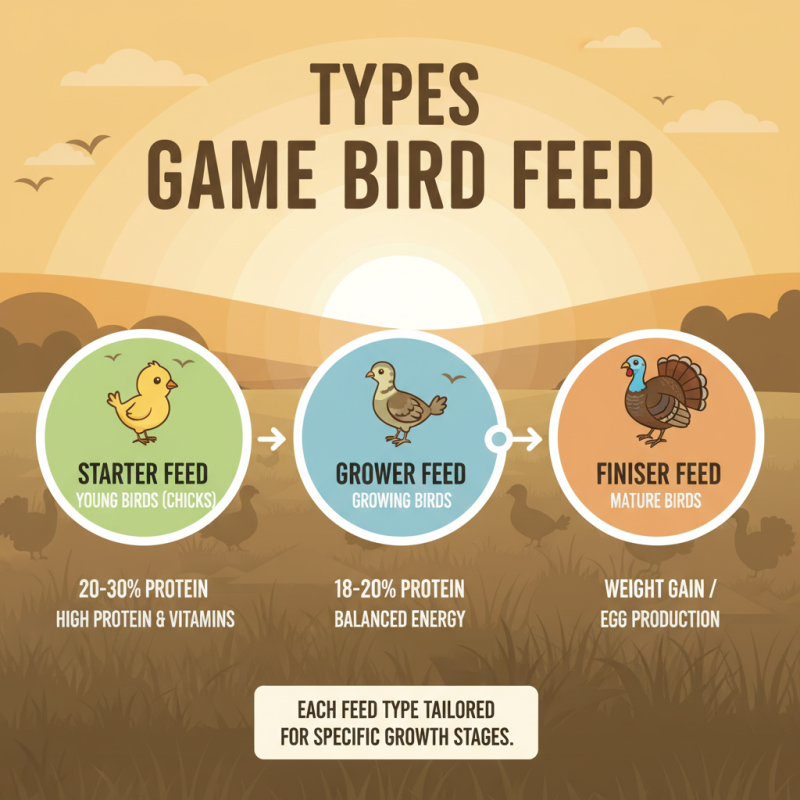
Game bird feed comes in various types, each designed to meet the unique nutritional needs of different species. The primary categories include starter, grower, and finisher feeds. Starter feeds contain higher protein levels, crucial for young birds. These feeds usually have 20-30% protein and specific vitamins. Grower feeds maintain this protein level but focus on balanced energy sources. They generally offer around 18-20% protein content and ensure healthy development.
Specialized mixes are also gaining popularity. These blends combine seeds, grains, and protein sources tailored for specific game birds. Reports indicate that nutritional diversity can enhance survival rates and reproductive success. For example, quail thrive on feeds rich in fatty acids and minerals during breeding season. Moreover, pheasants benefit from feeds high in fiber, promoting digestion.
However, choosing the right game bird feed can be challenging. Many bird owners often make mistakes by selecting feeds based solely on marketing. Personalizing feed based on the birds' life stages can often yield better results. It’s essential to observe how birds react to different feeds. Adjustments may be necessary based on their energy levels and overall health. Keeping records may help in refining the feeding strategy over time.
Key Nutritional Components for Optimal Game Bird Health
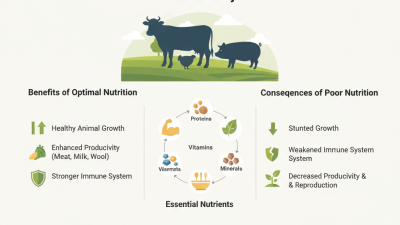
When it comes to raising healthy game birds, nutrition is crucial. Game birds require a balanced diet to thrive. The key components include proteins, carbohydrates, fats, vitamins, and minerals. Each of these plays a specific role in the bird's health. Proteins aid in muscle growth, while carbohydrates provide energy for daily activities.
Fats are important for healthy feathers and overall energy levels. Additionally, vitamins and minerals support immune function and bone health. A diet lacking in these essential nutrients can lead to poor development or health issues. Many bird owners overlook the specific needs of their species. This mistake can result in severe consequences for the birds’ well-being.
It's imperative to assess the individual requirements based on age and breed. Not paying attention to these factors may lead to nutritional deficiencies. Observing the birds closely can help in modifying their feed as needed. Striking the right balance can be tricky. Yet, it is essential for breeding and maintaining strong, healthy birds.
Game Bird Nutrition Analysis
This chart illustrates the key nutritional components found in game bird feed, highlighting the percentage of protein, fat, fiber, vitamins, and minerals essential for optimal game bird health.
Factors to Consider When Choosing Game Bird Feed
Choosing the right game bird feed requires careful consideration. Key factors include the species of bird, their nutritional needs, and the environment they thrive in. A 2022 report from the National Wildlife Federation states that different birds require varying protein levels. For example, pheasants need about 20% protein, whereas quail require closer to 30%.
Additionally, the feed's formulation matters. Game birds benefit from a mix of grains, seeds, and protein sources. Whole grains provide energy, while quality protein supports growth and reproduction. However, not all mixtures deliver the right balance. Some feeds may have fillers that offer little nutritional value. It is crucial to read labels carefully and research.
Another factor is the feeding method. Free feeding might waste food, leading to financial strain. Meanwhile, restricted feeding can limit intake. A 2021 study showed that over 50% of game bird owners reported issues with feed waste. Thus, understanding your birds' behavior and preferences is essential. For many, striking a balance between cost and quality is a fitful but necessary journey.
Popular Brands and Recommendations for Game Bird Feed
When choosing the best options for game bird feed, it's essential to consider specific needs. Each bird species has unique dietary requirements. A balanced mix is key for their health and performance. Look for feeds that offer a combination of grains, seeds, and nutrients. High-quality protein sources are vital for growth and egg production.
Several popular feeding brands focus on different bird types. Some cater to pheasants, while others specialize in quails or turkeys. It's advisable to frequently check ingredient lists. Sometimes, a brand might change its formula, leading to unanticipated consequences for your birds. A cheaper feed may seem appealing, but it could lack the necessary vitamins and minerals.
Keep an eye on your birds' behavior and health. If they seem sluggish or their feathers look dull, you may need to reconsider your choice. Input from other bird enthusiasts can provide valuable insights, but always verify with reliable sources. Remember, the best feed is the one that meets your birds' specific needs.
What is Game Bird Feed and How to Choose the Best Options?
| Feed Type |
Protein Content (%) |
Recommended Age |
Best For |
Special Features |
| Starter Feed |
28 |
1-3 weeks |
Chicks |
High energy, vitamins |
| Grower Feed |
20 |
3-8 weeks |
Juveniles |
Balanced nutrition, minerals |
| Adult Maintenance Feed |
16 |
8+ weeks |
Adults |
Low-fat, grain-based |
| Breeder Feed |
22 |
Mating pairs |
Breeding |
Enhanced nutrition for reproduction |
| Finisher Feed |
18 |
Final growth stage |
Pre-market |
Optimal growth, flavor |