How to Improve Animal Nutrition for Better Health and Performance?
The importance of animal nutrition cannot be overstated. Proper nutrition significantly impacts animal health and performance. According to a report by the Global Feed Industry, around 65% of livestock productivity depends on adequate nutrition. Yet, many farms still struggle with providing balanced diets.
Dr. Mark Hartman, a leading expert in animal nutrition, states, "Nutritional management is the foundation of sustainable animal production." This sentiment highlights the critical role nutrition plays in the agricultural sector. Despite advancements, challenges persist. Many producers do not fully understand nutrition’s impact or how to apply it effectively.
Moreover, inadequate nutritional strategies can lead to reduced productivity and health issues in livestock. The consequences of poor animal nutrition extend beyond individual farms. They affect food security and market stability. Both for ethical and economic reasons, it is essential to continuously improve practices in animal nutrition to foster better health and performance outcomes.
Importance of Animal Nutrition for Health and Performance
Animal nutrition plays a crucial role in ensuring optimal health and performance across various species.
Proper nutrition helps support immune function, enhance growth rates, and improve reproductive efficiency.
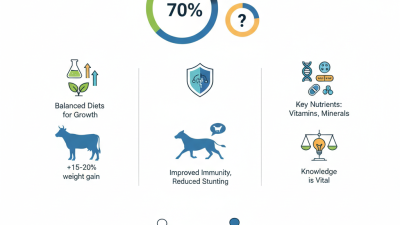
According to studies, livestock with balanced diets can achieve up to 20% higher productivity compared to those on poor diets.
This emphasizes the necessity of understanding nutritional requirements tailored to each animal type.
Deficiencies in essential nutrients can lead to serious health issues.
For example, a study found that protein deficiency in cattle resulted in a 15% decrease in milk production.
Furthermore, mineral imbalances can cause reproductive failures and increased susceptibility to diseases.
Yet, many producers overlook these factors, placing short-term cost savings over long-term health benefits.
Nutrition planning often lacks thorough assessments, leading to suboptimal feeding strategies.
In addition, environmental factors influence nutrient requirements.
As temperatures rise, animals may need more energy to maintain health.
A survey revealed that 70% of farmers were unaware of how climate change could affect their livestock’s nutritional needs.
This gap demonstrates the need for continuous education on animal nutrition.
Improving this aspect is key for enhancing animal welfare and maximizing productivity.
Key Nutritional Components for Optimal Animal Diets
When it comes to animal nutrition, understanding key nutritional components is crucial. Animals require a balanced diet that includes proteins, carbohydrates, fats, vitamins, and minerals. Each component plays a vital role in their overall health and performance.
Proteins are essential for growth and muscle development. Carbohydrates provide the energy needed for daily activities. Fats support cellular functions and digestion.
Tips: Always ensure that the sources of protein are high quality. Include both plant-based and animal-based proteins in their diet. This helps to achieve a complete amino acid profile.
Vitamins and minerals support various bodily functions. For instance, calcium is vital for bone health, while vitamins A and D enhance immune function. Pay attention to how these nutrients are balanced in your animal's diet. Sometimes, it may be necessary to readjust based on lifestyle changes or health issues.
Tips: Introduce new foods gradually. Monitor how your animals react to changes in their diets. This way, you can avoid digestive problems and ensure they thrive. Adjustments are not always easy but can lead to better health outcomes.
Assessing Nutritional Needs Across Different Animal Species
Understanding the nutritional needs of different animal species is crucial. Each species has unique requirements, influenced by factors like age, size, and activity level. Livestock, pets, and wild animals all process food differently. For instance, ruminants like cows need fiber for digestion. In contrast, omnivores like pigs thrive on a varied diet that includes both plant and animal sources.
Tailoring diets to meet these specific needs often presents challenges. For example, nutrient deficiencies can result in poor health or impaired performance. Certain species may not handle specific nutrients well. Over-supplementation can also be harmful. There is a delicate balance in formulating diets that promote optimal health. Many animal owners may overlook the role of micronutrients, which can lead to significant deficiencies.
Monitoring feeding practices is essential. Regular assessments can help identify and adjust any nutritional gaps. However, many tend to stick to conventional feeding methods, which may not suit every individual animal. Periodic reevaluation is necessary to ensure dietary changes keep pace with growth and changes in activity. Understanding these complexities can lead to healthier animals.
Strategies for Improving Feed Quality and Nutrient Absorption
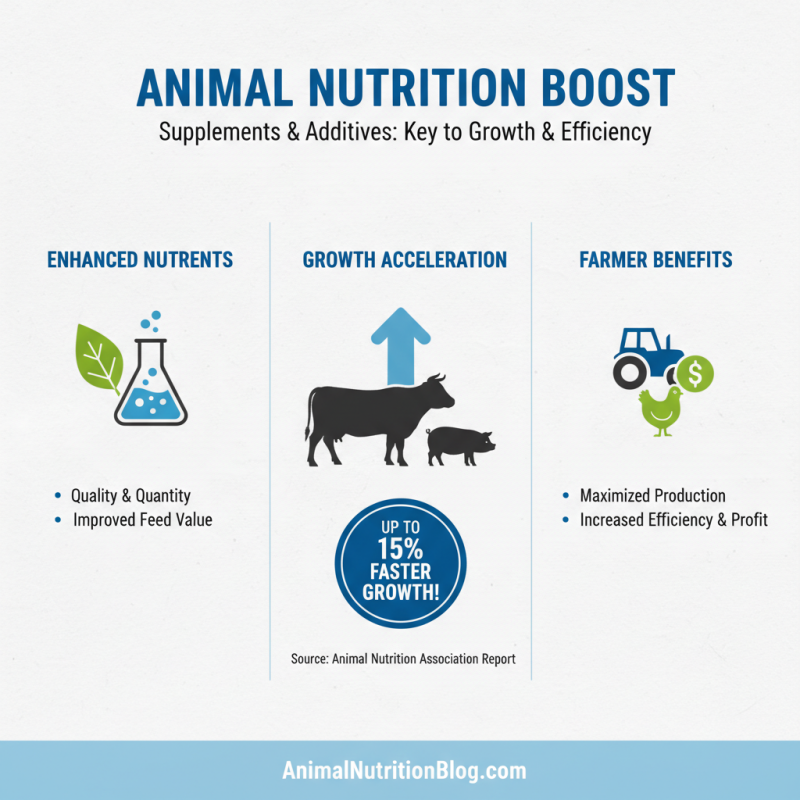
Improving feed quality is crucial for enhancing animal health and performance. Research shows that animals absorb nutrients more effectively when their feed is well-formulated. A 2020 industry report indicated that optimizing feed can increase nutrient absorption rates by up to 30%. This leads to better growth, milk production, and overall wellbeing.
One effective strategy is to incorporate prebiotics and probiotics into animal diets. These additives support gut health, helping animals digest their food better. For example, studies have shown that the inclusion of specific probiotics can improve feed efficiency by 10-15%. High-quality feed ingredients also play a role. Ingredients rich in essential amino acids are vital for muscle growth and development.
However, achieving ideal feed quality is not always straightforward. Many farms still rely on low-grade feed that lacks important nutrients. This compromises animal health and performance. Addressing these gaps requires regular monitoring and adjustments in feed formulation. Sustainable practices must also be prioritized to enhance the overall quality of animal nutrition.