Why Is Livestock Nutrition Crucial for Healthy Animal Growth and Productivity?
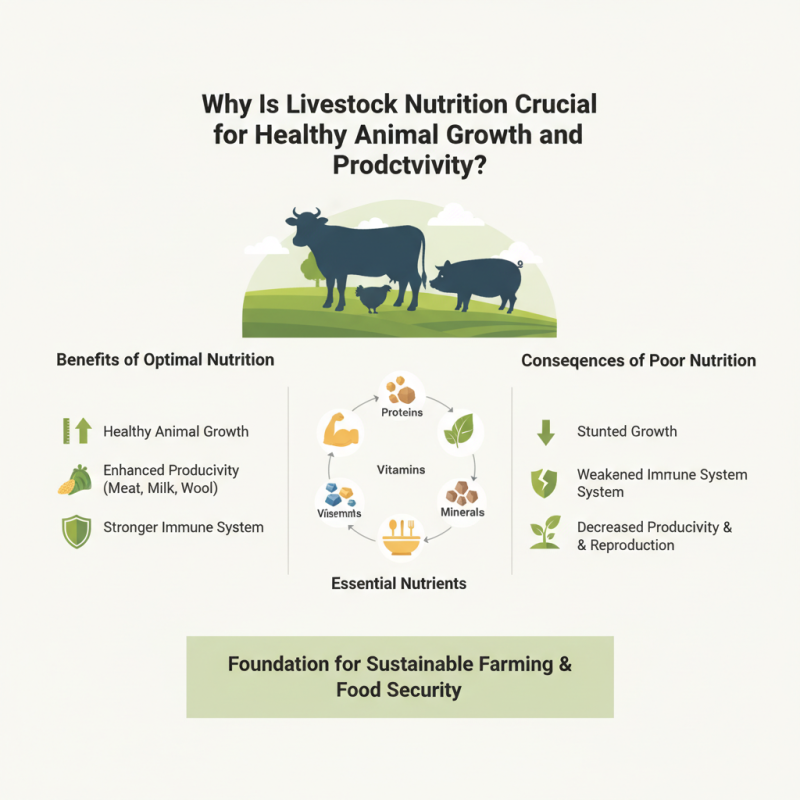
Livestock nutrition plays a pivotal role in ensuring the health and productivity of domesticated animals. As the backbone of the agricultural sector, adequate nutrition not only supports the physical development of livestock but also enhances their overall performance, leading to improved growth rates and reproductive efficiency. Proper balance of nutrients—including proteins, vitamins, and minerals—is essential in formulating diets that meet the specific needs of different animal species and breeds. Without optimal livestock nutrition, animals may experience stunted growth, weakened immune systems, and decreased productivity, ultimately affecting the entire farming operation.
In today's world, where food security and sustainable farming practices are of utmost importance, the focus on livestock nutrition has never been more critical. Harnessing the benefits of scientifically-based feeding programs can lead to healthier animals, which in turn contribute to higher yields of meat, milk, and other animal products. Emphasizing the significance of tailored nutritional approaches ensures that livestock not only thrive, but also contribute positively to the economic viability of farming enterprises. Thus, understanding and prioritizing livestock nutrition is essential for both animal welfare and agricultural sustainability.
Importance of Nutrition in Livestock Health and Growth
Nutrition plays a pivotal role in the health and growth of livestock. Proper nutrition not only fuels the physiological functions of animals but also directly influences their productivity and overall well-being. Livestock require a balanced diet comprising proteins, carbohydrates, vitamins, and minerals to support their growth stages, reproductive health, and immune function. A well-nourished animal is less susceptible to diseases, which is crucial for maintaining a healthy herd and minimizing veterinary costs.
Furthermore, the type and quality of nutrition provided to livestock affect their growth rates and the quality of animal products, such as milk and meat. Adequate nutrition ensures that animals reach their growth potential, which translates into higher productivity levels. For instance, young animals need higher protein content in their diets to develop muscle mass and achieve optimal weight gain. Additionally, good nutrition practices can lead to improved feed efficiency, meaning that livestock can convert feed into body mass more effectively, resulting in better economic returns for farmers. In essence, strategic nutritional management is essential for fostering healthy livestock and achieving sustainable production systems.
Key Nutritional Components for Optimal Animal Development
Optimal animal development is heavily dependent on the right nutritional components, which play a vital role in promoting healthy growth and enhancing productivity. One of the key nutritional elements is protein, which is essential for tissue development and overall growth. Proteins are made up of amino acids, which serve as building blocks for muscles, skin, and organs. Ensuring that livestock receive adequate amounts of high-quality protein can drastically improve their body condition and growth rates, leading to healthier animals.
In addition to proteins, vitamins and minerals are crucial for various physiological functions. Vitamins like A, D, and E support immune function, vision, and reproduction, while minerals such as calcium, phosphorus, and magnesium are essential for bone development and metabolic processes. A balanced mineral intake can prevent deficiencies that lead to health problems and can significantly affect the productivity of the animals.
Additionally, proper levels of energy from carbohydrates and fats are needed to fuel growth and daily activities, ensuring that livestock are not only growing but also thriving in their environment. This holistic approach to nutrition will ultimately enhance livestock health and productivity, making it paramount for farmers and producers to prioritize animal nutrition in their management practices.
Effects of Micronutrients on Livestock Productivity
Micronutrients play a pivotal role in enhancing livestock productivity, impacting health, growth rates, and overall efficiency in animal farming. Essential micronutrients such as zinc, copper, selenium, and vitamins A, D, and E are critical for various biochemical processes in livestock. According to the National Research Council, deficiencies in these micronutrients can lead to significant declines in growth rates, reproductive performance, and disease resistance. For instance, research indicates that livestock with adequate selenium levels can experience up to a 15% increase in reproductive efficiency, highlighting the direct correlation between micronutrient intake and productivity.
Moreover, the optimization of micronutrient supplementation not only benefits the animals but also improves the economic viability of livestock operations. A study by the Food and Agriculture Organization of the United Nations found that improving micronutrient management could lead to a 20% increase in milk production per cow and enhanced meat quality. Such improvements can translate into a 10-15% increase in profitability for farmers, demonstrating the necessity of integrating a robust nutritional strategy that encompasses mineral and vitamin supplementation within livestock feeding programs. As the global demand for livestock products grows, ensuring that animals receive adequate micronutrients becomes increasingly essential for sustaining high productivity levels and promoting animal health across the agricultural landscape.
Why Is Livestock Nutrition Crucial for Healthy Animal Growth and Productivity? - Effects of Micronutrients on Livestock Productivity
| Micronutrient |
Role in Livestock |
Deficiency Symptoms |
Impact on Productivity |
| Zinc |
Supports immune function and skin health |
Poor coat condition, skin lesions |
Reduced growth rates and feed efficiency |
| Copper |
Essential for iron metabolism and connective tissue formation |
Anemia, weak bones |
Lower reproductive success and growth |
| Selenium |
Antioxidant function, helps in thyroid hormone metabolism |
Myopathy, reproductive failure |
Decreased performance in breeding and growth |
| Vitamin A |
Important for vision, immune function, and reproduction |
Night blindness, reproductive issues |
Poor growth and increased disease susceptibility |
| Vitamin E |
Antioxidant, supports immune system |
Muscle degeneration, weak immune response |
Reduced reproductive performance and growth rates |
Best Practices for Implementing Livestock Feeding Regimens
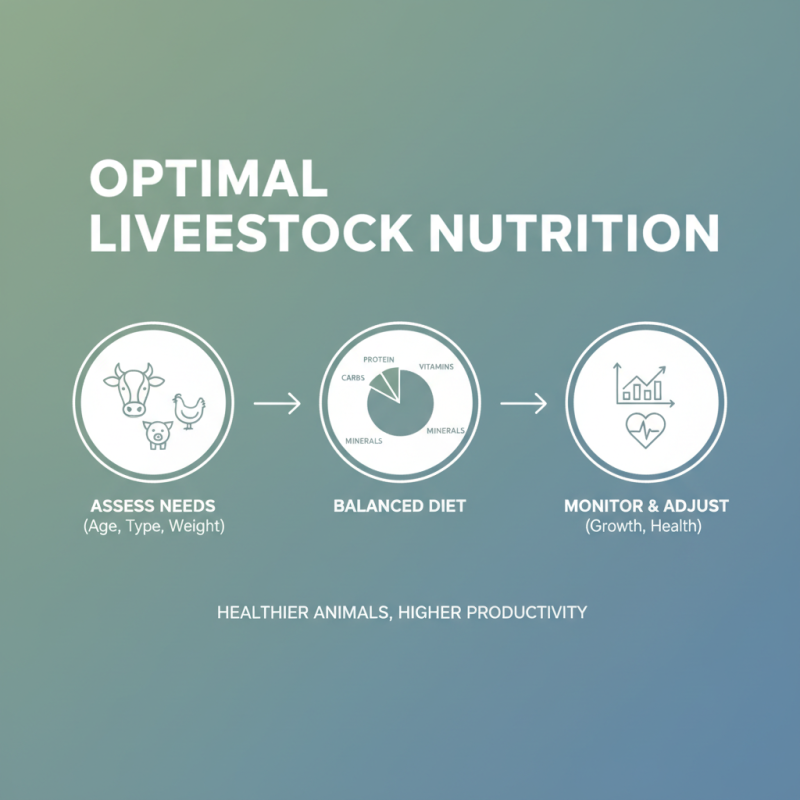
Implementing effective livestock feeding regimens is essential for enhancing animal health and maximizing productivity. A well-planned diet should encompass the right balance of nutrients, including proteins, carbohydrates, vitamins, and minerals. To achieve this, farmers can conduct a comprehensive analysis of their livestock's specific needs based on factors such as age, weight, type, and purpose of production. Regular monitoring of the animals’ growth patterns and overall health can inform adjustments to their diets, ensuring optimal nutrition throughout different production stages.
Establishing best practices for livestock feeding also involves creating a structured feeding schedule that aligns with the natural behaviors and digestive systems of the animals. For example, many ruminants benefit from having access to forage throughout the day to promote natural grazing behaviors. Additionally, incorporating a variety of feed types can help prevent nutritional deficiencies and encourage healthy eating habits. Utilizing technologies such as feed tracking systems can assist in optimizing feed efficiency and reducing waste, ultimately leading to more sustainable livestock production practices.
The Role of Nutritional Management in Disease Prevention
Nutritional management plays a pivotal role in disease prevention among livestock. Proper nutrition ensures that animals receive the essential vitamins, minerals, and nutrients required for optimal health. A well-balanced diet not only supports growth and development but also strengthens the immune system, making animals more resilient to infections and diseases.
Deficiencies in key nutrients can lead to weak immune responses, leaving livestock vulnerable to pathogens and health challenges. For instance, adequate protein levels are crucial for the production of antibodies and immune cells, while micronutrients such as zinc and selenium are vital for proper immune function.
Furthermore, nutritional management can help reduce the incidence of metabolic disorders and other health issues that could affect livestock productivity. By tailoring feeding programs to meet the specific needs of different animal types and their production stages, farmers can prevent conditions such as ketosis and ruminal acidosis, which are often linked to poor dietary choices. Regular monitoring of animal health and nutritional intake allows for timely adjustments, ensuring that livestock remain healthy and productive. In this way, effective nutritional management serves as a proactive measure in safeguarding animal well-being and enhancing overall productivity in livestock operations.