How to Optimize Livestock Nutrition for Better Farm Productivity?
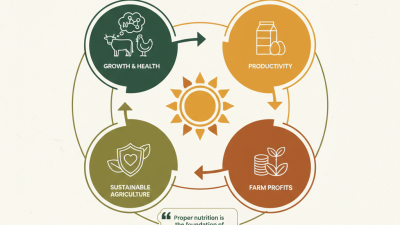
Livestock nutrition plays a critical role in farm productivity. According to the Food and Agriculture Organization (FAO), optimal nutrition improves animal health and productivity. Poor livestock nutrition can lead to reduced weight gain and low milk production. Farmers may overlook certain nutrient requirements, affecting their herd's overall performance.
In recent studies, it has been found that up to 20% of feed may be underutilized due to inadequate formulation. This indicates a significant opportunity for improvement. Implementing a balanced diet tailored to specific livestock needs can enhance growth rates and reproductive performance. However, many farmers still face challenges in sourcing quality feed ingredients.
A report from the International Feed Industry Federation reveals that nutrition accounts for nearly 70% of total production costs. This highlights the importance of investing in proper livestock nutrition strategies. As the demand for animal products continues to rise, optimizing nutrition will be crucial for sustaining farm operations and ensuring economic viability.
Understanding the Role of Nutrition in Livestock Health and Growth
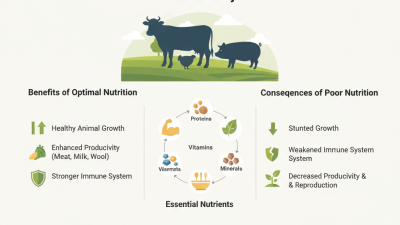
Nutrition plays a crucial role in livestock health and growth. A balanced diet ensures that animals receive essential nutrients. According to the National Research Council, inadequate nutrition can reduce growth rates by up to 25%. Proper nutrition improves immunity and enhances overall wellbeing.
Common misconceptions exist about livestock diets. Some believe that simply providing ample feed is sufficient. However, research indicates that nutrient density is key. For example, protein quality significantly influences muscle development. Ensuring the right balance of vitamins and minerals is not just important; it is essential for optimal productivity. Inadequate nutrient supply can lead to deficiencies that impact reproduction and milk production.
Many farmers face challenges in sourcing high-quality feed. This scarcity encourages the use of low-quality ingredients. This can result in health issues for livestock. Monitoring animal performance is vital. Regular assessments can help identify nutritional deficiencies early. Adapting diets based on specific growth stages is necessary. By taking a more tailored approach to nutrition, farmers can enhance livestock productivity while maintaining health standards.
Optimizing Livestock Nutrition for Better Farm Productivity
This chart illustrates the impact of various nutritional components on livestock growth and health. The data reflects the average weight gain of livestock (in pounds) based on different feed compositions over a 6-month period.
Essential Nutrients for Livestock: Proteins, Carbohydrates, and Fats
Optimizing livestock nutrition is crucial for enhancing farm productivity. Understanding essential nutrients like proteins, carbohydrates, and fats is fundamental.
Proteins are vital for growth and repair. They play a key role in muscle development. Livestock need a consistent protein source to support their health.
Carbohydrates provide energy. They are the primary energy source for livestock. A diet rich in carbohydrates helps maintain optimal performance. Farmers should ensure that livestock have access to various carbohydrate sources. This includes grains, forages, and root crops.
Fats are also essential. They offer concentrated energy and support various bodily functions. Including fats in moderation can improve overall health.
Tips: Monitor the quality of feed regularly. This ensures that animals receive balanced nutrition. Adjust rations based on the livestock's growth stage. Experiment with different feed combinations.
Observe how these changes affect productivity. Remember, not all livestock respond similarly to dietary changes. Individual needs can vary. Regularly assess health and performance to fine-tune nutritional strategies.
Evaluating Feed Quality: Importance of Digestibility and Nutrient Density
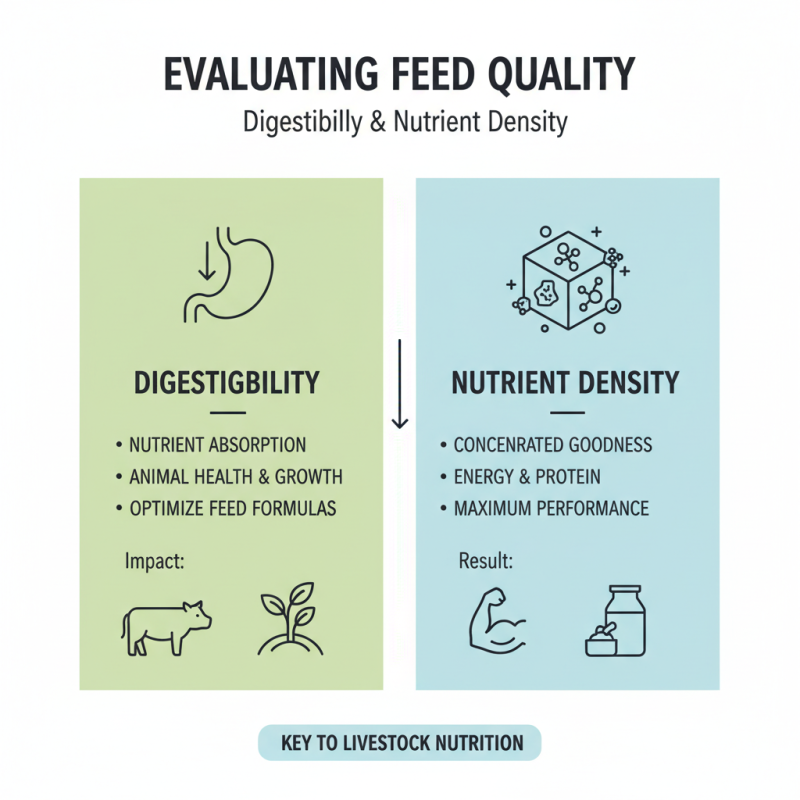
Evaluating feed quality is essential for optimizing livestock nutrition. Digestibility and nutrient density are two critical aspects to consider. Digestibility refers to how well animals can break down and absorb nutrients from the feed. If livestock cannot digest their food effectively, their health and productivity will suffer. Monitoring and adjusting feed formulations can enhance digestibility.
Nutrient density indicates the concentration of essential nutrients in a given amount of feed. High-quality feeds provide more vitamins, minerals, and proteins. Evaluating nutrient density helps farmers make informed decisions for balancing rations. It’s vital to prevent underfeeding or overfeeding specific nutrients. Both can lead to health issues and increased costs.
Farmers often face challenges in assessing feed quality. Sometimes, we might overlook the importance of proper sampling techniques. A thorough analysis of feed components is necessary for accurate evaluations. Experience plays a vital role in identifying nutrient-rich feeds. Regular testing for spoilage, contamination, and overall quality ensures optimal nutrition for livestock.
Strategies for Balancing Rations: Utilizing Nutritional Supplements Effectively
Balancing livestock rations is crucial for optimal farm productivity. Nutrition plays a significant role in animal health and productivity. Using nutritional supplements strategically can help ensure that livestock receive well-rounded diets.
Choosing the right supplements can be a challenge. Consider the specific needs of your animals. For instance, older animals may require more minerals than younger ones. Assess the current nutritional composition of feed. This will help identify any deficiencies.
**Tips:** Monitor animal behavior and weight gain. Changes here can signal nutrition issues. Regular veterinary consultations can provide expert guidance tailored to your farm. Maintaining records of feed use and livestock performance is essential for analyzing trends. Evaluate what works and what doesn’t frequently. Adjustments may be necessary as conditions change.
Incorporating a variety of feed sources is another strategy. It enhances overall nutrient absorption. For example, add forages, grains, and protein sources in moderation. Too much of one can lead to imbalances, affecting health. Each livestock group may have unique rations; customize diets accordingly. Regularly reassess these plans to adapt to your herd's evolving needs.
Monitoring and Adjusting Feeding Practices: A Data-Driven Approach
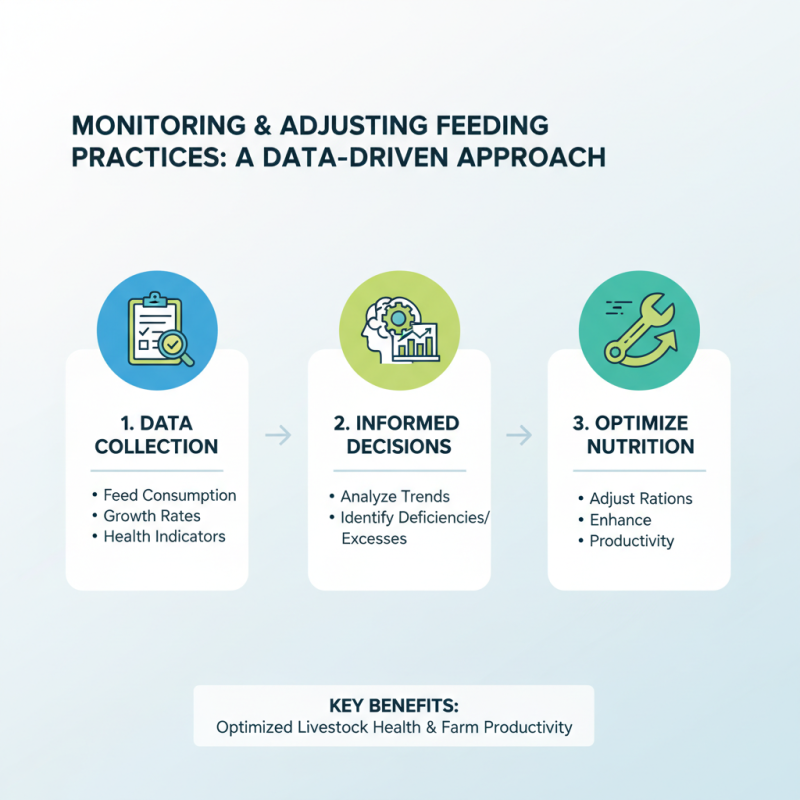
Monitoring and adjusting feeding practices is essential for optimizing livestock nutrition. A data-driven approach can significantly enhance farm productivity. By collecting data on feed consumption, growth rates, and health indicators, farmers can make informed decisions. This information helps in identifying nutritional deficiencies or excesses in rations.
Regular monitoring can reveal insights into animal performance that may not be immediately apparent. For example, if weight gain is slower than expected, it may indicate that the current feed formulation is inadequate. Nutritional adjustments based on actual animal response can lead to improved outcomes. However, data collection alone is not enough; interpreting this data is crucial.
Farmers should also be open to reassessing their feeding strategies. This might involve trial and error, as not every approach will yield immediate results. Some adjustments may even yield unexpected consequences. Continuous learning and adaptation are vital in this process. Ultimately, the goal is to develop a feeding program that meets the unique needs of each livestock group for optimal productivity.