What Is Potassium Iodide Used For?
Potassium Iodide is best known for one specific public-health purpose: protecting the thyroid during certain nuclear radiation emergencies. When radioactive iodine enters the body through breathing or contaminated food, the thyroid can absorb it quickly. Taking Potassium Iodide at the correct time can saturate the gland with stable iodine. This may reduce radioactive iodine uptake. The benefit is limited, not universal.
Radiation-medicine specialist Dr. Robert Peter Gale has emphasized, “Potassium iodide is not a general antidote for radiation exposure.” That distinction matters. Potassium Iodide cannot shield the whole body, remove radioactive materials, or prevent harm from every radiation type. It also does not replace evacuation, sheltering, contamination control, or official medical guidance. Timing matters greatly. It should be used only when public-health authorities or a qualified clinician recommend it.
The medicine has other clinical applications in carefully controlled settings, including certain thyroid-related conditions and selected respiratory treatments. These uses depend on dose, age, health status, and local medical practice. Side effects can include stomach discomfort, rash, or changes in thyroid function. Infants, pregnant people, and individuals with thyroid disease require special caution. More is not better.
A common explanation misses this point. Potassium Iodide is useful, but only for the right exposure and the right person. Reliable guidance should come from agencies such as the CDC, FDA, or local health authorities. The safest understanding is also the least dramatic: use it deliberately, never casually.
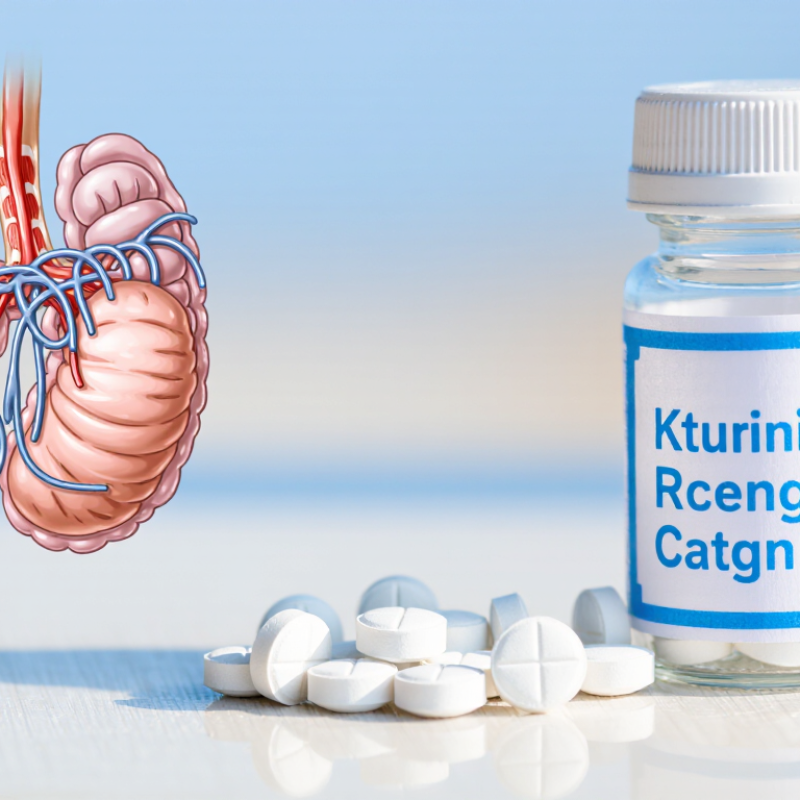
What Is Potassium Iodide?
Potassium iodide is an inorganic salt made from potassium and iodine. Its chemical formula is KI. It usually appears as a white, odorless solid or a clear solution. In the body, iodide supplies iodine for thyroid hormone production. That role is important, but it does not make potassium iodide a general health supplement.
Its most recognized medical use involves radioactive iodine exposure. Taken at the correct time, it can saturate the thyroid with stable iodine. This may reduce the thyroid’s absorption of radioactive iodine. It does not shield the whole body from radiation. It also cannot treat every radiation injury. Public health authorities recommend it only during specific emergencies and with clear instructions. Timing matters greatly.
Potassium iodide may also appear in certain prescription treatments and laboratory settings. However, the appropriate dose depends on age, health status, and purpose. Some people may develop stomach upset, rash, or thyroid changes. Those with thyroid disease or iodine sensitivity need professional advice. It is not the same as ordinary iodized salt. A common mistake is assuming more iodine means better protection. It does not. I would treat online dosing advice cautiously, because small details can change the medical risk.
How Potassium Iodide Protects the Thyroid
What Is Potassium Iodide Used For?
Potassium iodide protects the thyroid during certain radiation emergencies. The thyroid naturally absorbs iodine to make hormones. If radioactive iodine enters the body, the gland may store it. This can increase thyroid radiation exposure. Potassium iodide supplies stable iodine first. The thyroid then absorbs less radioactive iodine.
Timing matters. It works best shortly before or soon after exposure. It does not shield the whole body. It cannot block radiation from the air, ground, or contaminated surfaces. It also does not protect against every radioactive material.
Public health authorities must confirm when it is needed. In practice, a tablet is not a general health supplement. Taking extra doses can cause harm, especially for people with thyroid disorders, iodine sensitivity, or certain skin conditions. The advice may feel incomplete. Emergency decisions are rarely perfect.
Tips: Follow official instructions and the recommended dose. Do not replace potassium iodide with table salt or iodine supplements. Ask a healthcare professional about children, pregnancy, breastfeeding, or existing thyroid disease. Keep the product stored as directed, and check its expiration date. If symptoms such as rash, swelling, breathing difficulty, or severe stomach upset appear, seek medical help promptly.
Medical Uses of Potassium Iodide
What Is Potassium Iodide Used For?
Medical Uses of Potassium Iodide
Potassium iodide is a medicine that supplies stable iodine to the body. Its best-known medical use is thyroid protection during a radioactive iodine emergency. When taken at the correct time, it can fill the thyroid with stable iodine. This reduces the gland’s absorption of radioactive iodine. It does not protect the whole body from radiation. It also does not replace evacuation, shelter, or medical care. Public health officials should determine when it is appropriate.
Doctors may also use potassium iodide for certain thyroid conditions. It can temporarily reduce thyroid hormone release before surgery for severe hyperthyroidism. In urgent cases, it may support treatment for thyroid storm, alongside other hospital therapies. Some specialists prescribe it for selected skin infections, but this use depends on the diagnosis and local medical practice. It is not a general treatment for every rash.
Medical supervision matters. Excess iodine can disturb thyroid function, especially in infants, older adults, and people with thyroid disease. Possible effects include stomach discomfort, a metallic taste, or swelling around the face and throat. An easy assumption is that more iodine means better protection. That is not reliable. The correct product, timing, and dose all matter, and self-treatment can create new problems.
Potassium Iodide in Radiation Emergencies
Potassium iodide, or KI, has a specific role during some radiation emergencies. It supplies stable iodine to the thyroid, helping reduce the absorption of radioactive iodine. It does not protect the whole body from radiation. It also cannot prevent harm from other radioactive materials.
Timing matters. Public health authorities may advise people to take KI when radioactive iodine could be released into the air. Taking it too early or too late can reduce its benefit. A tablet should never replace sheltering indoors, closing windows, or following evacuation instructions. Keep a battery-powered radio nearby. Official guidance may change as monitoring data develops.
Age and health affect the correct dose. Infants, children, pregnant people, and adults over 40 may receive different advice. People with certain iodine sensitivities or thyroid conditions should ask medical professionals before taking KI, unless emergency officials give direct instructions. Possible effects include stomach discomfort, rash, or swelling. Severe symptoms need prompt medical care.
A common mistake is treating KI like a general radiation shield. It is not. It only helps the thyroid against radioactive iodine. In a real emergency, check local alerts, use only the recommended amount, and avoid taking extra tablets. Instructions can feel incomplete under stress. That is why households should review emergency contacts and medicine guidance before an incident occurs.
What Is Potassium Iodide Used For? - Potassium Iodide in Radiation Emergencies
Potassium iodide should be taken only when directed by public health or emergency authorities. | Data Dimension | Accurate Information |
| Primary purpose | Potassium iodide (KI) supplies stable iodine to the thyroid and reduces the thyroid’s uptake of radioactive iodine. |
| Radiation protection | KI may protect the thyroid from radioactive iodine, such as iodine-131, when taken at the appropriate time. |
| What KI does not protect against | KI does not protect the rest of the body from external radiation and does not prevent harm from radioactive materials other than radioactive iodine. |
| Best timing | The greatest benefit occurs when KI is taken shortly before or soon after exposure to radioactive iodine. It is less effective as time passes and should not be taken routinely without official instructions. |
| Adults and adolescents aged 12 years or older | 130 mg per directed dose. |
| Children aged 3 to 11 years | 65 mg per directed dose. |
| Children aged 1 month to 2 years | 32 mg per directed dose. |
| Newborns from birth to 1 month | 16 mg per directed dose; newborns may require thyroid monitoring if KI is used. |
| Pregnancy and breastfeeding | Pregnant or breastfeeding people may be advised to take 130 mg when officially directed. Medical guidance is especially important because repeated exposure may affect thyroid function. |
| Repeat dosing | A single dose is often sufficient, but repeat doses may be recommended during prolonged or continuing exposure. Repeat dosing should follow official public health instructions. |
| Common side effects | Possible effects include stomach upset, nausea, diarrhea, metallic taste, headache, or skin rash. |
| People who need medical advice first | People with previous serious reactions to KI, certain thyroid disorders, dermatitis herpetiformis, hypocomplementemic vasculitis, or significant kidney disease should seek professional advice when possible. |
| Emergency priority | Follow evacuation or shelter instructions first. KI is an additional protective measure and is not a substitute for sheltering, evacuation, contamination control, or medical care. |
Safety, Dosage, and Important Precautions
Potassium iodide (KI) has one narrow emergency purpose: protecting the thyroid from radioactive iodine. It does not shield the whole body from radiation. The U.S. Food and Drug Administration (FDA) recommends 130 mg for adults, including pregnant or breastfeeding adults. Children aged 3–12 generally receive 65 mg, while younger children need smaller doses. Infants under one month require 16 mg. Exact dosing should follow public-health instructions.
Timing matters. Take KI only when health authorities advise it. Taking it too early, too often, or “just in case” can cause harm without improving protection. The Centers for Disease Control and Prevention (CDC) notes that KI works best shortly before or soon after exposure to radioactive iodine. It cannot replace evacuation, sheltering, or medical care. A 2022 World Health Organization guidance document also emphasizes targeted use during a confirmed radiological emergency. This is easy to misunderstand.
Possible effects include stomach upset, rash, swelling, or thyroid problems. Newborns need special medical monitoring after exposure. People with certain iodine sensitivities or thyroid disorders should ask a clinician before taking KI, unless emergency officials give urgent instructions. Check the product strength carefully; tablet sizes can differ. I would not rely on an old household supply without checking its expiration date and storage condition. Professional advice remains essential, because the correct decision depends on age, exposure risk, and official radiation measurements.