Why is Poultry Feed Essential for Global Farming Success?

Poultry feed plays a critical role in the success of global farming. The World Organisation for Animal Health predicts a rise in poultry consumption by 50% by 2030. This rising demand emphasizes the need for high-quality poultry feed. It directly impacts the growth and health of poultry, affecting overall production efficiency.

In 2021, the global poultry feed market reached USD 440 billion. It is projected to grow at a rate of 4.5% annually. This growth highlights the necessity for farmers to invest in better feed quality. Proper nutrition from poultry feed ensures strong immune systems in birds, reducing disease incidence. However, many farmers struggle to understand the nutritional requirements of different poultry species.

Despite advancements in the poultry feed sector, challenges persist. There are gaps in knowledge regarding feed formulation and its impact on feed conversion ratios. Additionally, sourcing raw materials can lead to inconsistencies in feed quality. Addressing these issues is essential for ensuring sustainable growth in poultry farming and enhancing global food security.
Why is Poultry Feed Essential for Global Farming Success?

The Role of Poultry Feed in Livestock Nutrition and Health

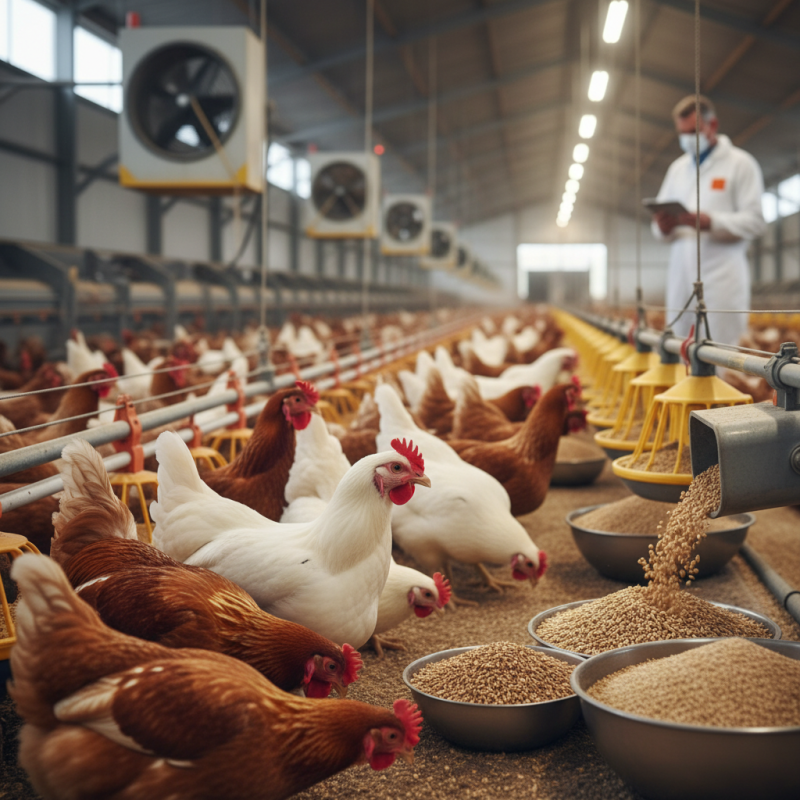
Poultry feed plays a significant role in livestock nutrition and health. It provides essential nutrients for optimal growth and production. High-quality feed boosts the immune system of birds. This, in turn, reduces disease susceptibility. A healthy flock leads to better productivity and profitability.

Choosing the right feed formula can be daunting. Not all feeds are created equal. Farmers must consider factors such as the age and breed of poultry. It's crucial to analyze local conditions and resources. This ensures you select the most appropriate feed.

Tips for farmers: Monitor your flock's health regularly. Observe their behavior and growth patterns. If any discrepancies arise, re-evaluate the feed or consult a nutrition expert. Additionally, consider varying the feed to meet seasonal nutrient needs. Adaptability is vital in poultry farming. Feed management can make or break livestock success.

Why is Poultry Feed Essential for Global Farming Success? - The Role of Poultry Feed in Livestock Nutrition and Health

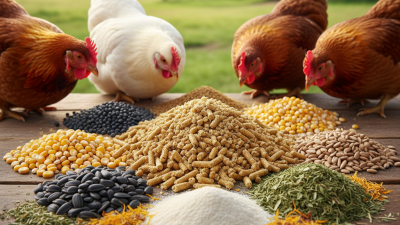
Nutrient Importance Common Sources Recommended Levels (%)
Protein Essential for growth, muscle development, and egg production. Soybean meal, fish meal, canola meal 18-22%
Energy Provides calories for daily activities and metabolic processes. Corn, wheat, barley 2600-3000 kcal/kg
Vitamins Important for immune function and overall health. Green leafy vegetables, fish oil, yeast Varied, depending on vitamin
Minerals Supports bone health and various metabolic functions. Calcium carbonate, sodium chloride, trace mineral mixes 2-5%
Fiber Aids in digestion and maintaining gut health. Oat hulls, beet pulp, wheat bran 5-10%

Nutritional Components of Poultry Feed and Their Benefits

Why is Poultry Feed Essential for Global Farming Success?

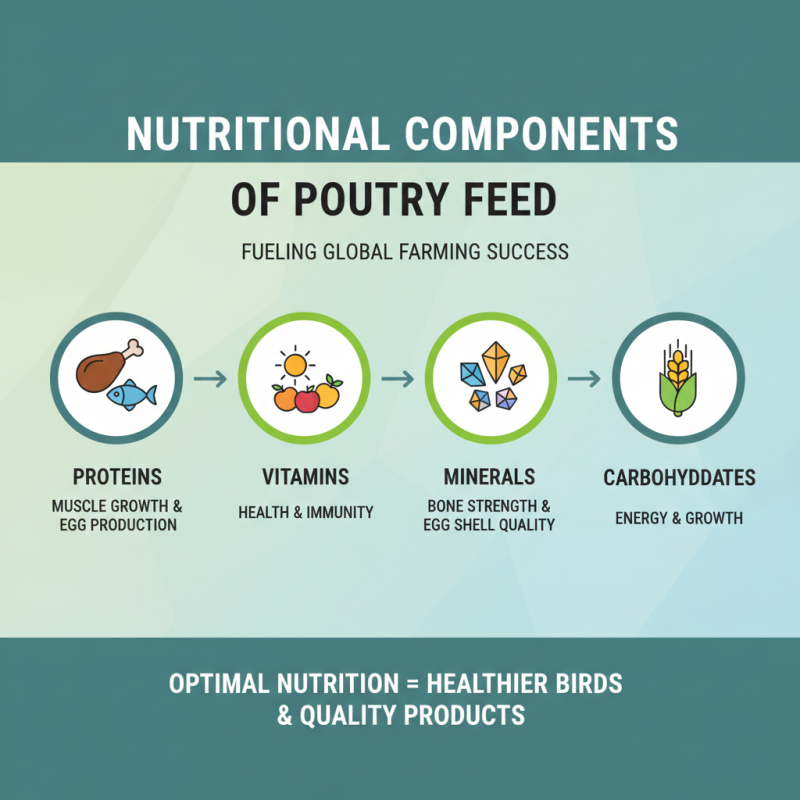
Poultry feed plays a critical role in the success of global farming. Its nutritional components significantly influence the health and productivity of poultry. Key ingredients include proteins, vitamins, minerals, and carbohydrates. These components ensure that birds grow efficiently and produce quality eggs and meat.

For instance, according to a report by the Food and Agriculture Organization, poultry provides more than 30% of the global meat supply. Quality feed contributes to higher conversion rates of feed into body mass. Inadequate nutrition can lead to stunted growth and lower egg production. Moreover, amino acids from protein sources enhance muscle development in birds. This not only benefits farmers but also aids in meeting the world's rising protein demand.

Tips: Choose a balanced feed with proper amino acids and vitamins. Monitor feed intake regularly to ensure your poultry is thriving. Consider conducting regular nutritional analyses to adjust feed formulations as needed. Reflecting on these factors can often reveal opportunities for improvement in farming practices.

Impact of Poultry Feed on Egg and Meat Production Efficiency

Poultry feed plays a crucial role in enhancing the efficiency of egg and meat production. A well-formulated diet provides essential nutrients that ensure healthy growth and high-quality output. This directly affects the yield and quality of both meat and eggs.

Different types of poultry require specific nutrients. Chickens, for example, need a balance of proteins, vitamins, and minerals. A deficiency can lead to health issues, affecting production rates. If the feed lacks adequate protein, egg production may decline. Similarly, insufficient nutrients can lead to poor meat quality. Farmers must remain vigilant in monitoring feed composition.

However, the reliance on poultry feed poses some challenges. Cost fluctuations can impact the affordability of high-quality feed. Improper storage can result in spoilage, affecting the feed's nutritional value. Reflecting on these hurdles is essential for improving feed management strategies. Achieving optimal poultry production is a continuous journey that requires adaptability and knowledge.

Economic Implications of Quality Poultry Feed in Global Markets

The importance of quality poultry feed in global markets cannot be overstated. According to the Food and Agriculture Organization (FAO), poultry production is projected to increase by 1.5% annually, driven by rising consumer demand. Economically, high-quality feed ensures better feed conversion ratios, resulting in more efficient poultry production. Data shows that a 1% improvement in feed efficiency can lead to significant cost savings for farmers.

Choosing the right ingredients in poultry feed can directly impact health and growth rates. For instance, corn and soybean meal remain key components. They provide essential nutrients that enhance productivity and reduce mortality rates. However, the volatility of feed ingredient prices can be challenging, forcing farmers to adapt quickly. Monitoring market trends is crucial in making informed decisions.

**Tip:** Regularly assess the nutritional composition of your feed. This can help identify deficiencies and improve overall flock health.

Another crucial aspect is sustainability. The global poultry feed industry faces increasing pressure to meet eco-friendly standards. Implementing responsible sourcing practices can lead to long-term cost benefits and market competitiveness. Some reports note that sustainable feed practices could save the industry upwards of $100 billion by 2030.

**Tip:** Explore alternative ingredients like insect protein or algae, which could reduce environmental impact. Adopting these practices can boost your market position.

Economic Implications of Quality Poultry Feed in Global Markets

Sustainable Practices in Poultry Feed Production for Future Farming Success

Sustainable poultry feed practices are crucial for future farming success. With increasing global population, demand for poultry is rising. This places pressure on feed production. Traditional feed sources often rely on unsustainable practices, leading to environmental degradation. We must explore alternatives that promote a healthier ecosystem.

Incorporating ingredients like insects or algae can reduce reliance on conventional crops. These sources require less land and water. However, the transition is not without challenges. Farmers may need to invest in new technologies and training. Adjusting to these changes can feel overwhelming.

Moreover, the collaboration between farmers, researchers, and policymakers is vital. Sharing knowledge ensures that sustainable practices are effective. But communication gaps often exist. It’s important to establish clear guidelines and support systems. Continuous reflection on farming practices will lead to improved outcomes. Each step taken must consider environmental impact and food security.