Why is Poultry Feed Essential for Raising Healthy Chickens?
Poultry feed plays a vital role in the health and productivity of chickens. Renowned poultry nutritionist Dr. Jane Smith states, "Quality feed is the foundation of a thriving flock." Choosing the right poultry feed can impact growth, egg production, and overall well-being.
When raising chickens, it’s easy to overlook the significance of feed quality. Many farmers may choose cheap options, thinking they save money. However, low-quality poultry feed can lead to nutritional deficiencies. These deficiencies can harm the birds, eventually reducing egg production and causing health issues.
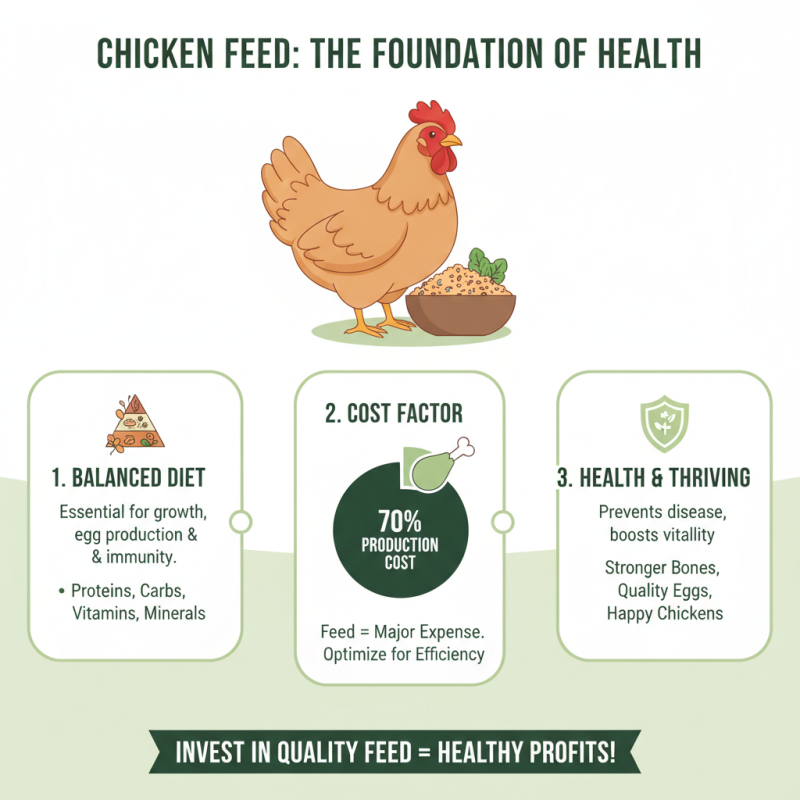
Healthy chickens require a balanced diet rich in proteins, vitamins, and minerals. Each ingredient in poultry feed serves a purpose. Understanding these nutritional needs is crucial for any poultry farmer. A well-fed flock is more vibrant and productive. Investing in good poultry feed is not just an expense; it is an investment in their future.
The Importance of Nutrition in Poultry Development
Nutrition plays a crucial role in poultry development. Healthy chickens require a balanced diet to thrive. Feeding them the right mix of proteins, vitamins, and minerals is essential. Inadequate nutrition can lead to various health issues. For instance, weak bones or poor feather development can result from insufficient calcium and protein.
Tips: Always assess the quality of feed. Chickens need specific nutrients at different growth stages. Adult chickens require higher calcium levels for eggshell strength. Young chicks need more protein for growth. Pay attention to their behavior; if they're lethargic, their diet might be lacking.
Chickens also benefit from **dietary variety**. Adding greens or grains can improve their overall health. However, it’s important to avoid nutritional imbalances. Too much of one type of feed can cause deficiencies elsewhere. An unbalanced diet can lead to disease over time. Monitor your flock’s health regularly and adjust their feed accordingly.
Essential Nutrients Found in Quality Poultry Feed
Quality poultry feed is essential for raising healthy chickens. The right feed provides crucial nutrients that support growth, egg production, and overall well-being. Chickens require a balanced diet rich in proteins, vitamins, and minerals. According to industry studies, a well-formulated feed can improve feed conversion rates by up to 20%. This means healthier birds and a more efficient farming operation.
Essential nutrients found in quality poultry feed include proteins for muscle development and amino acids vital for various metabolic functions. Vitamins such as A, D, and E play critical roles in immune function and bone health. Minerals like calcium and phosphorus are essential for strong eggshells. A lack of these nutrients may lead to weaker birds, lower egg production, and increased susceptibility to disease.
Tip: Always consult a poultry nutrition expert for tailored feeding strategies. Monitor your flock's health regularly. Adjustments in feed composition can significantly enhance production. Remember, consistency in feeding is key to achieving optimal results. Sometimes, it’s worth re-evaluating your feeding practices to ensure your flock is meeting its nutritional needs. A little reflection can yield big benefits.
Impact of Poultry Feed on Chicken Growth and Egg Production
Poultry feed plays a critical role in the growth and egg production of chickens. A balanced diet is necessary to ensure healthy development. Without the right nutrition, chickens may struggle to reach their full potential. For instance, a deficiency in protein affects muscle growth, while a lack of calcium can result in weak eggshells.
Chickens that consume quality feed tend to grow faster. They also produce more eggs and have better overall health. However, not every farmer pays enough attention to feed quality. Some may choose cheaper options, thinking it saves money. This can lead to poor growth rates and reduced egg production. It's concerning to see how some birds are underfed or fed unbalanced diets.
Proper poultry feed should include vitamins, minerals, and the right ratio of protein. It's essential to observe how chickens respond to their diets. Monitoring their growth and egg production provides critical feedback. Farmers need to be willing to adjust their feed strategies for better outcomes. The journey of raising healthy chickens often requires ongoing reflection and adaptation.
Why is Poultry Feed Essential for Raising Healthy Chickens? - Impact of Poultry Feed on Chicken Growth and Egg Production
| Nutrient |
Role in Growth |
Impact on Egg Production |
Recommended Daily Intake (per chicken) |
| Protein |
Essential for muscle development and growth. |
Increases egg size and production rate. |
18-20 grams |
| Calcium |
Strengthens bones and supports overall health. |
Crucial for shell formation; higher intake increases shell quality. |
4-5 grams |
| Vitamins |
Supports immune function and growth processes. |
Enhances fertility and hatchability of eggs. |
Varies by vitamin, but generally small amounts (mg) required. |
| Energy |
Fuel for growth, metabolism, and activity. |
Supports high energy needs for laying hens. |
280-300 kcal |
| Fat |
Source of essential fatty acids and energy. |
Aids in the absorption of fat-soluble vitamins. |
3-5 grams |
Common Ingredients in Poultry Feed and Their Benefits
Poultry feed is vital for healthy chickens. The right mix of nutrients supports growth, egg production, and overall well-being. Common ingredients in poultry feed include grains, proteins, vitamins, and minerals. These components each offer specific benefits.
Grains like corn and wheat are excellent energy sources. They provide calories that help chickens grow and stay active. Protein sources, such as soybean meal, are crucial for muscle development. Chickens require protein for strong bodies and effective egg production. Vitamins and minerals enhance immune function. A deficiency in these can lead to health issues.
Tip: Always check the feed's nutritional content before purchasing. Quality support leads to better outcomes. Additionally, consider local availability of fresh ingredients.
Another common ingredient is limestone, which provides necessary calcium. Calcium strengthens eggshells. Weak shells often break during handling. It's essential to meet this requirement, especially for laying hens. High-quality feed impacts productivity and sustainability in poultry farming.
Tip: Monitor your chickens regularly for signs of malnutrition. Look for changes in behavior or egg production. Adjust their diet accordingly to maintain health and happiness.