Why Proper Livestock Nutrition is Essential for Animal Health and Productivity?
Livestock nutrition plays a crucial role in ensuring the health and productivity of animals. Proper nutrition directly affects growth rates, reproductive performance, and overall well-being. Choosing the right feed can significantly enhance the efficiency of livestock operations. Quality diets lead to healthier animals, which in turn produce more milk, meat, and eggs.
When livestock receive balanced nutrition, their immune systems are stronger. This reduces the risk of diseases, lowering veterinary costs. However, many farmers struggle with understanding the specific nutritional needs of their animals. Ignoring these needs can lead to poor productivity and financial loss.
In addition, not all feeds are created equal. It is essential to assess the quality and nutritional value of available options thoroughly. Some producers may cut corners to save costs, compromising animal health. This approach can lead to long-term consequences, such as reduced output and increased disease susceptibility. Livestock nutrition is not just about feeding; it is about investing in the future of the farm.
Importance of Nutritional Balance in Livestock Feeding
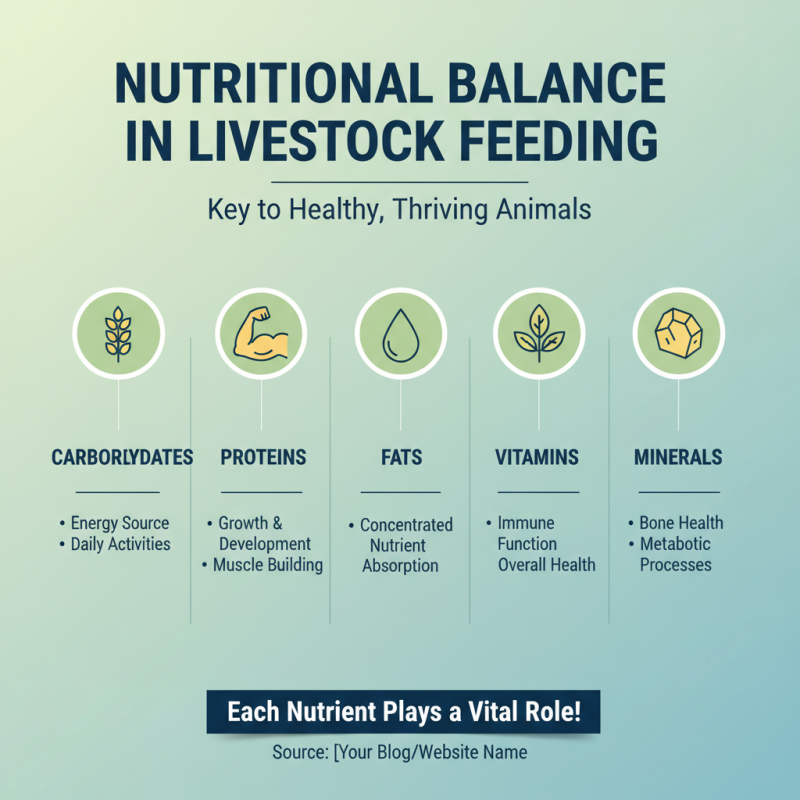
Nutritional balance plays a crucial role in livestock feeding. Animals require various nutrients to thrive. These include carbohydrates, proteins, fats, vitamins, and minerals. Each nutrient serves a specific function. For instance, proteins help in growth and muscle development. Meanwhile, carbohydrates provide the energy for daily activities.
A lack of proper nutrition can lead to health issues. Livestock may become weak or sick if their diets are unbalanced. For example, deficiency in vitamins can affect their immune systems. Such animals are more susceptible to diseases. Additionally, poor nutrition impacts overall productivity. Farmers may notice lower milk production in cows or decreased weight gain in pigs.
Observation is key to addressing nutritional imbalances. Farmers should regularly check feed quality. Understanding the needs of specific livestock is critical. Each type has unique dietary requirements. Providing the wrong balance may cause nutritional stress. Effective feeding strategies require ongoing refinement. It’s essential to learn and adapt. Livestock health depends on these efforts.
Impact of Nutrition on Immune Function and Animal Health
Proper livestock nutrition plays a vital role in sustaining animal health. A balanced diet influences not just growth and productivity but also immune function. Animals that receive the right nutrients are better equipped to fend off diseases. For instance, protein and vitamins directly affect the development of antibodies. Without adequate nutrients, animals may suffer from lowered immunity. This can lead to increased sickness and even death.
Consider the impact of deficiencies. A lack of certain minerals can drastically impair an animal’s immune response. Signs of poor nutrition include weight loss, reduced milk production, and poor overall condition. Animals may appear listless and inactive. When the immune system is compromised, infections spread more easily within the herd. This might lead to severe economic losses for farmers.
It's crucial to regularly assess livestock diets. Nutritional needs may change over time due to stress or environmental factors. Some farmers might overlook these changes, thinking all is well. However, even minor oversights can cause significant health issues. By prioritizing proper nutrition, livestock can maintain better health and productivity levels.
Role of Key Nutrients in Growth and Reproduction
Proper livestock nutrition plays a crucial role in animal health. Essential nutrients impact growth and reproduction significantly. For example, protein is vital for muscle development. Without adequate protein, animals may experience stunted growth. Vitamins and minerals also contribute to reproductive success. Deficiencies can lead to poor breeding outcomes.
Key nutrients like calcium and phosphorus are pivotal for bone health. A lack of these can result in skeletal problems, affecting mobility. Additionally, energy sources such as carbohydrates and fats are necessary for maintaining body functions. Without enough energy, animals may become lethargic and less productive. It's essential to create balanced diets tailored to specific species and life stages.
Finding the right balance is often a challenge. Over-supplementation can lead to health issues, just as deficiencies can. Nutritional needs change, so regular assessments are necessary. It’s a cycle of learning and adapting. Sometimes, farmers may overlook the importance of quality feed. This can lead to preventable health issues and reduced productivity. Feeding strategies must be carefully considered and frequently updated.
Importance of Key Nutrients in Livestock Nutrition
Consequences of Nutritional Deficiencies in Livestock
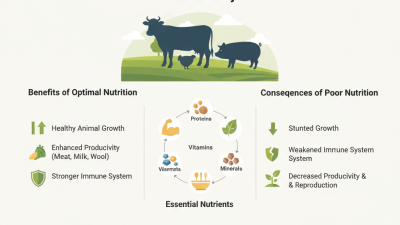
Nutritional deficiencies in livestock can have serious consequences. Animals lacking essential nutrients may experience stunted growth and reduced milk production. These issues can lead to financial losses for farmers. Without enough energy, livestock become less productive. Their bodies can't maintain proper health. This creates a vicious cycle, affecting reproductive performance and overall herd health.
Vitamins and minerals play crucial roles. For example, calcium is vital for bone health. A deficiency can cause weaker bones, leading to fractures. Similarly, inadequate protein intake hampers muscle development. Animals may appear thin or lethargic. In some cases, deficiencies result in behavioral problems. This can hinder their ability to thrive in a farm environment.
Farmers must be vigilant. Regularly testing feed nutrition can reveal hidden deficiencies. Adjustments in diet are often necessary. It's not just about quantity; quality matters too. Balancing these aspects ensures healthy livestock. Yet many overlook this, leading to persistent health issues. A proactive approach can save time, money, and enhance productivity.
Strategies for Optimizing Livestock Nutrition for Higher Productivity
Livestock nutrition plays a pivotal role in the health and productivity of animals. To optimize nutrition, farmers should focus on balanced diets. This means including adequate amounts of protein, vitamins, and minerals. For instance, a diet rich in omega-3 fatty acids can enhance milk production in dairy cows. However, many farmers overlook specific dietary needs, leading to subpar productivity.
Incorporating diverse feed sources is another effective strategy. For example, mixing forages with grains can improve energy levels in livestock. Some might think using a single feed source is easier, but this approach can lead to nutritional gaps. Regular assessments of feed quality are essential. Nutritional deficiencies are not always visible but can severely impact growth rates and overall health.
Training and education are also vital for farmers. Workshops on the latest nutritional strategies can empower them. There are many resources available, yet some farmers remain unaware of these options. Understanding the signs of nutritional deficiencies can help ensure animals receive proper care. Even small adjustments can lead to significant improvements in productivity. It’s essential to reflect on what might be missing in current practices.
Why Proper Livestock Nutrition is Essential for Animal Health and Productivity? - Strategies for Optimizing Livestock Nutrition for Higher Productivity
| Nutrient |
Recommended Daily Intake (per animal) |
Benefits of Proper Nutrition |
Strategies for Optimization |
| Protein |
15-20% of daily feed |
Supports growth, muscle development, and reproduction |
Incorporate high-quality protein sources, adjust based on growth stage |
| Energy |
2.5-4 Mcal/kg of feed |
Provides energy for daily activities and production |
Utilize energy-dense feeds; balance with fiber intake |
| Vitamins |
Varies by vitamin type |
Essential for metabolic processes and immune function |
Supplement vitamins based on feed analysis; monitor health |
| Minerals |
0.5-2% of daily feed |
Supports bone health, reproduction, and immune functions |
Incorporate mineral blocks; test soil and forage for deficiencies |