What is Sheep Feed and Why is it Important for Livestock Farming?
Sheep feed plays a crucial role in livestock farming. According to Dr. Ethan Hill, a noted expert in animal nutrition, “Quality sheep feed is vital for healthy growth.” Farmers must prioritize the nutritional needs of sheep to ensure optimal productivity.
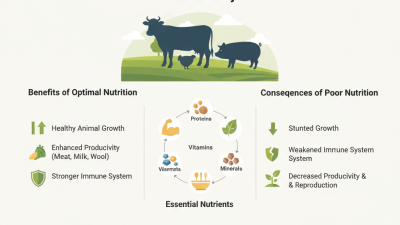
Choosing the right sheep feed involves understanding its components. Essential nutrients include proteins, vitamins, and minerals. Balancing these elements is not always straightforward. Inadequate feeding can lead to various health issues. This can adversely affect wool quality and meat production.
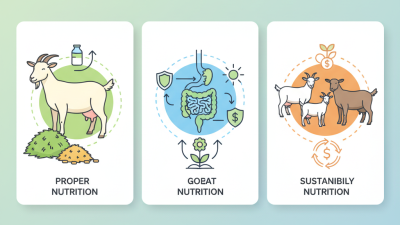
Additionally, the sources of sheep feed can impact sustainability. Some farmers overlook local options and rely on imported feeds. This can increase costs and harm the environment. Reflecting on the consequences of these choices is important for future practices. Thus, focusing on quality sheep feed is essential for success in livestock farming.
Definition and Types of Sheep Feed in Livestock Farming
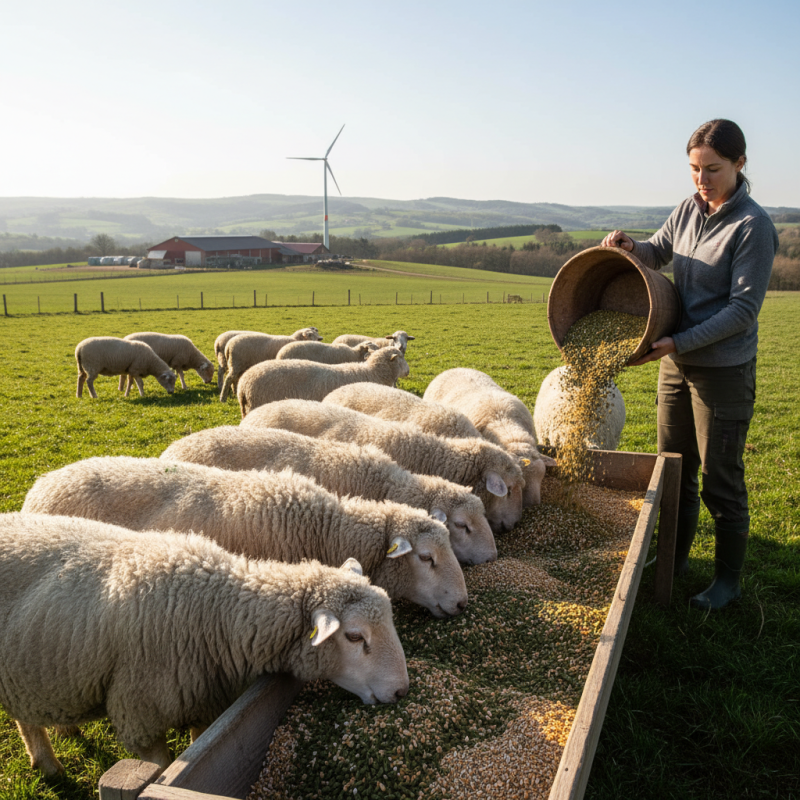
Sheep feed is essential for optimizing livestock farming. It impacts sheep health, growth, and wool production. There are several types of sheep feed, categorized mainly into forages and concentrates. Forages include grass, hay, and silage. They provide necessary fiber and nutrients. Concentrates, on the other hand, consist of grains and protein supplements. These have higher energy content and promote rapid growth.
Reports from industry organizations indicate that a balanced diet enhances sheep productivity by 15% to 20%. For example, a study highlights that feeding sheep a mix of quality forages and concentrates can significantly improve weight gain rates. However, sourcing high-quality feed can be a challenge. Not all regions have access to the best forages.
In addition, forming the right feeding strategy requires more education and training for farmers. Some may rely too heavily on concentrates, neglecting the importance of fiber. Over-reliance on certain types of feed can negatively affect sheep digestion. The goal should be to achieve a balanced diet while being mindful of available resources and local conditions. Feeding practices must evolve alongside these challenges to ensure optimal livestock health and productivity.
What is Sheep Feed and Why is it Important for Livestock Farming?
| Type of Sheep Feed |
Ingredients |
Nutritional Value |
Benefits |
| Grass Hay |
Timothy, Orchard Grass, Brome |
Fiber, Moderate Protein |
Promotes digestion, essential for health |
| Legume Hay |
Alfalfa, Clover |
High Protein, Calcium |
Supports growth, especially in young sheep |
| Grain Mixes |
Barley, Corn, Oats |
High Energy, Moderate Fiber |
Increases weight gain, boosts energy |
| Protein Supplements |
Soybean Meal, Canola Meal |
High Protein |
Enhances muscle development, increases milk production |
| Mineral and Vitamin Mixes |
Salt, Calcium, Phosphorus, Vitamins A, D, E |
Essential Minerals and Vitamins |
Prevents deficiencies, supports overall health |
Nutritional Components of Sheep Feed and Their Benefits
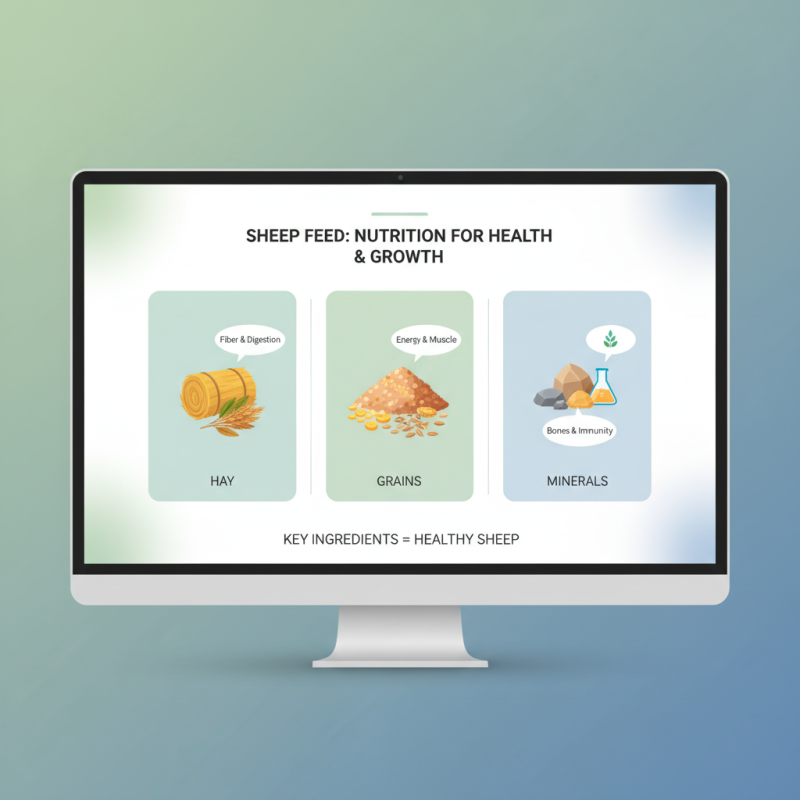
Sheep feed is a crucial aspect of livestock farming. The nutritional components in sheep feed directly impact growth and overall health. Ingredients like hay, grains, and minerals play vital roles. Each component offers specific benefits to sheep.
Hay provides fiber, aiding digestion. Grains supply essential carbohydrates, boosting energy. Minerals, such as calcium and phosphorus, are needed for strong bones. These nutrients help improve wool quality and fleece production. A balanced diet can lead to healthier sheep, but it's easy to overlook specific needs.
Farmers often face challenges in ensuring proper nutrition. Poor feed choices can lead to deficiencies. Over time, this may cause health issues. It’s important to regularly assess the nutritional value of the feed. Monitoring the condition of sheep can reveal if adjustments are needed. Consideration of individual needs is key for enhancing livestock productivity.
The Role of Sheep Feed in Promoting Livestock Health and Growth
Sheep feed is crucial for livestock health and growth. Proper nutrition directly impacts sheep development and overall well-being. According to the FAO, a well-balanced diet can improve weight gain by up to 30%. Quality feed boosts immune systems, reducing disease risks. This leads to healthier flocks and better productivity.
But not all feeding practices are optimal. A recent study showed that many farmers overlook specific nutritional needs. About 40% of flocks receive inadequate proteins. This can stunt growth and harm wool quality. Farmers must assess their feed ingredients carefully. Some common components include hay, grains, and minerals, but sourcing them correctly is crucial.
The right balance of nutrients promotes better reproduction rates. Research indicates that ewes with proper diets produce more lambs. Many producers lack awareness of the long-term implications of poor feeding. Inadequate feed can lead to higher culling rates and lower profits. Addressing these concerns is essential for sustainable farming practices.
How to Select the Right Sheep Feed for Different Breeds and Ages
When selecting sheep feed, consider the breed and age of the animals. Different breeds have distinct nutritional needs. For instance, growing lambs require higher protein levels for development. Meanwhile, mature ewes may need nutrients focused on reproduction and lactation. Age also plays a crucial role. Young lambs need softer, more digestible feed compared to adults.
Always monitor the sheep’s body condition. Adjust the feed based on their health. If a sheep seems underweight, it might require enhanced rations. Conversely, overweight sheep may need a reduced feed amount. Understanding these details can prevent nutritional imbalances.
Consult with livestock specialists for tailored advice. They can provide insights based on local conditions. Experimenting with different feed types can also lead to better outcomes. Relying on guesswork alone may lead to mistakes, affecting overall productivity. So, pay attention and make informed choices.
Impact of Quality Sheep Feed on Sustainable Livestock Production
Quality sheep feed plays a crucial role in sustainable livestock production. It directly affects the health and growth of sheep. Nutritional balance is essential. Sheep require nutrients such as protein, carbohydrates, vitamins, and minerals. Quality feed ensures these needs are met. Poor nutrition can lead to various health issues. Inadequate feed can increase susceptibility to disease.
Moreover, the impact of feed quality extends beyond just the animals. Sustainable farming relies on healthy livestock for production. Quality feed can lead to increased wool and meat yield. Farmers may see better returns from their investments. However, achieving this isn't straightforward. It requires careful sourcing and formulation. Many farmers struggle with inconsistent feed quality. This inconsistency can undermine the potential benefits, leading to frustration and losses.
Feeding practices should be regularly evaluated. Each farm has unique conditions that affect feed efficiency. Reflection on these practices can lead to better outcomes. The journey toward sustainable livestock production is ongoing. Emphasizing quality sheep feed is a vital step in that journey.