How to Source High Quality Deer Protein for Global Buyers?
In the global market, sourcing high-quality deer protein is becoming increasingly vital for health-conscious consumers. Deer protein offers a unique nutritional profile. It is lean, rich in omega fatty acids, and packed with essential amino acids. This makes it an appealing choice for various dietary plans. Finding reliable suppliers who provide sustainable and ethically sourced deer protein is essential.
Buyers must research potential suppliers carefully. Understanding their farming practices can ensure that the deer protein is of the highest quality. Transparency in sourcing practices is key. There are challenges in verifying the authenticity of deer protein products. Issues such as contamination or mislabeling can arise, affecting trust and reliability.
The growing demand for deer protein calls for strict quality control standards. It is important to ask questions about the production process and the nutritional content. Taking these steps can lead to a successful sourcing experience. Ultimately, ensuring quality will benefit both suppliers and global buyers in the competitive marketplace.

Understanding the Nutritional Value of Deer Protein for Global Markets
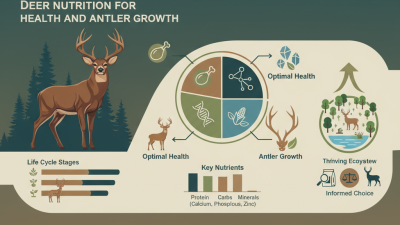
Deer protein has gained traction in global markets due to its nutritional benefits. Rich in essential amino acids, it offers a high protein content. According to the Journal of Animal Science, deer meat contains 22-26 grams of protein per 100 grams. This compares favorably with beef, which typically has 26 grams. Deer protein is also lower in fat, featuring only 3-6 grams per serving, making it a healthier alternative.
Understanding the precise nutritional value of deer protein is crucial for buyers. Research indicates it is high in omega-3 and omega-6 fatty acids, which are essential for heart health. Furthermore, deer protein is a source of vitamins like B12 and minerals such as zinc and iron. A report from the International Journal of Food Sciences suggests that venison (deer meat) has a unique flavor profile that appeals to health-conscious consumers.
Despite its nutritional advantages, sourcing high-quality deer protein poses challenges. Ethical sourcing and sustainability often raise questions. Buyers must ensure that they procure from farms known for humane treatment of animals. Data from industry reports indicate that grass-fed deer yield better nutritional profiles, emphasizing the importance of sourcing practices. These factors can affect supply chains and pricing, raising concerns for potential buyers.
Identifying Reliable Sources for High Quality Deer Protein
Identifying reliable sources for high-quality deer protein involves thorough research and discernment. Start by exploring local deer farms. Visit these farms to assess their practices. Look for places that prioritize animal welfare and sustainability. A farm's transparency about its operations is a good sign. Certifications and audits by local authorities can further validate their practices.
Engaging with suppliers directly is crucial. Ask about their sourcing methods, feed quality, and processing standards. Quality control measures should be clearly outlined. Trustworthy suppliers often have nothing to hide. Additionally, consider the geographical region. Some areas have renowned practices in deer farming that yield superior protein.
Networking within industry circles can uncover hidden gems. Attend trade shows and connect with experts. Personal recommendations carry weight. However, remember that not all recommendations are perfect. Develop critical thinking to sift through the information. Reliable sourcing isn't just about price; it’s about quality and ethics in production.
How to Source High Quality Deer Protein for Global Buyers? - Identifying Reliable Sources for High Quality Deer Protein
| Source Type |
Location |
Quality Grade |
Certificates |
Sustainability Practices |
| Farm |
USA |
A+ |
ISO 9001, GMP |
Organic Feed, Rotational Grazing |
| Wild Harvest |
Canada |
A |
Wildlife Certification |
Ethical Hunting Practices |
| Farm |
New Zealand |
A+ |
Grass Fed Certification |
Sustainable Pasture Management |
| Processing Plant |
Australia |
A |
HACCP, FDA Approved |
Waste Reduction Initiatives |
| Distributor |
Germany |
A+ |
ISO 22000, Organic Certification |
Partnerships with Local Farmers |
Assessing Quality Control Standards for Deer Protein Products
When sourcing high-quality deer protein, understanding quality control standards is essential. Buyers should examine the production processes carefully. This includes assessing the nutritional value, sourcing methods, and processing techniques. A focus on humane practices can also enhance the quality of the product. Consumers increasingly prefer ethically sourced protein, and producers must adapt to these expectations.
Testing for contaminants is crucial. Deer protein should undergo rigorous testing for heavy metals, pathogens, and other harmful substances. Buyers should seek certifications that reassure them of product safety. However, not all certificates are equally credible. It is vital to verify the legitimacy of these claims through independent audits.
Additionally, the supply chain should be transparent. A clear traceability system allows buyers to know the origin of the protein. Poor communication and lack of information can lead to doubts about quality. Reflecting on these challenges helps in making informed decisions. Quality should never compromise safety, and diligence is required for selecting the best products.
Quality Control Assessment of Deer Protein Products
This chart illustrates the quality control parameters of deer protein products sourced globally, including protein content, purity percentage, and contamination levels. The data reflects the quality standards that are assessed by buyers when sourcing high-quality deer protein.
Regulatory Compliance and Export Requirements for Deer Protein
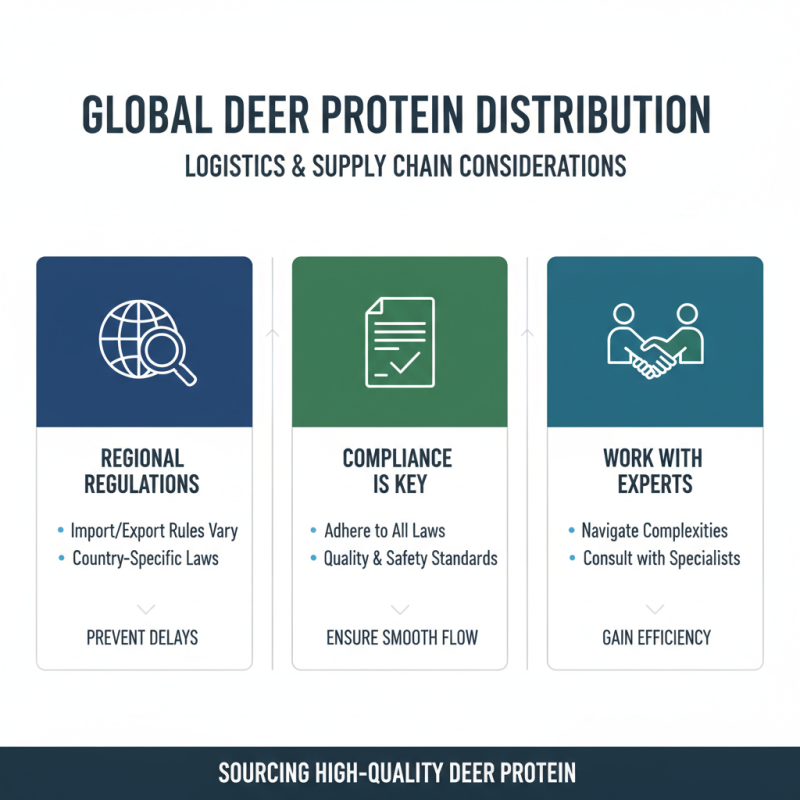
When sourcing high-quality deer protein, regulatory compliance is crucial. Global buyers must navigate various export requirements. Each country has specific regulations regarding food safety, environmental protection, and animal welfare. For instance, the Codex Alimentarius offers guidelines that facilitate international trade of food products, including deer protein.
The EU and US have strict inspection protocols. In the US, the USDA oversees meat and protein products, ensuring they meet safety standards. According to the International Journal of Food Science, understanding these regulations can speed up the export process by at least 20%. This knowledge helps avoid costly compliance failures.
Tips: Stay updated on global regulations. Use a compliance checklist for each market. Collaborate with experts in regulatory affairs to navigate complexities.
While deer protein is rich in nutrients, companies must be mindful of labeling requirements. Transparency in sourcing and production methods enhances trust with buyers. Gather data on consumer trends; 75% of buyers prefer products with clear origins. Ensure your supply chain meets these evolving consumer expectations. Proper documentation can mitigate risks involved in non-compliance.