Top 10 Tips for Optimizing Livestock Nutrition Benefits?
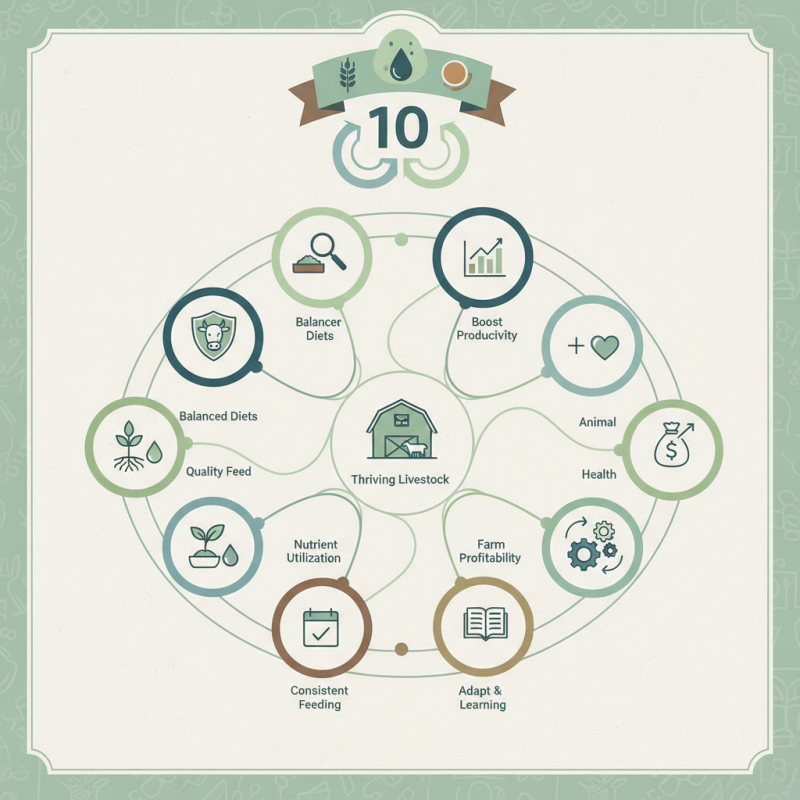
Optimizing livestock nutrition is crucial for the success of any farming operation. Proper nutrition directly impacts animal health, productivity, and overall farm profitability. A well-balanced diet ensures animals receive the essential nutrients they need to grow and reproduce effectively. It’s important to understand that livestock nutrition is not just about providing feed; it also involves maximizing nutrient utilization.
Farmers often face challenges in achieving optimal livestock nutrition. Inconsistent feeding practices, lack of knowledge, and varying feed quality can hinder progress. Implementing effective strategies can enhance the nutritional benefits for livestock. Evaluating your current feeding regimen is vital. Consider if you are meeting the specific needs of each animal type. Nutrient deficiencies can lead to health issues that are costly to manage.
Moreover, investing in quality feed and supplements is a step toward better livestock nutrition. Monitoring your livestock's dietary intake can reveal areas for improvement. A proactive approach ensures your animals thrive. Continuous learning about best practices can lead to innovative solutions. Remember, optimizing livestock nutrition is an ongoing process. Embracing changes may require reflection and adjustment of your current methods.
Understanding the Nutritional Needs of Different Livestock Species
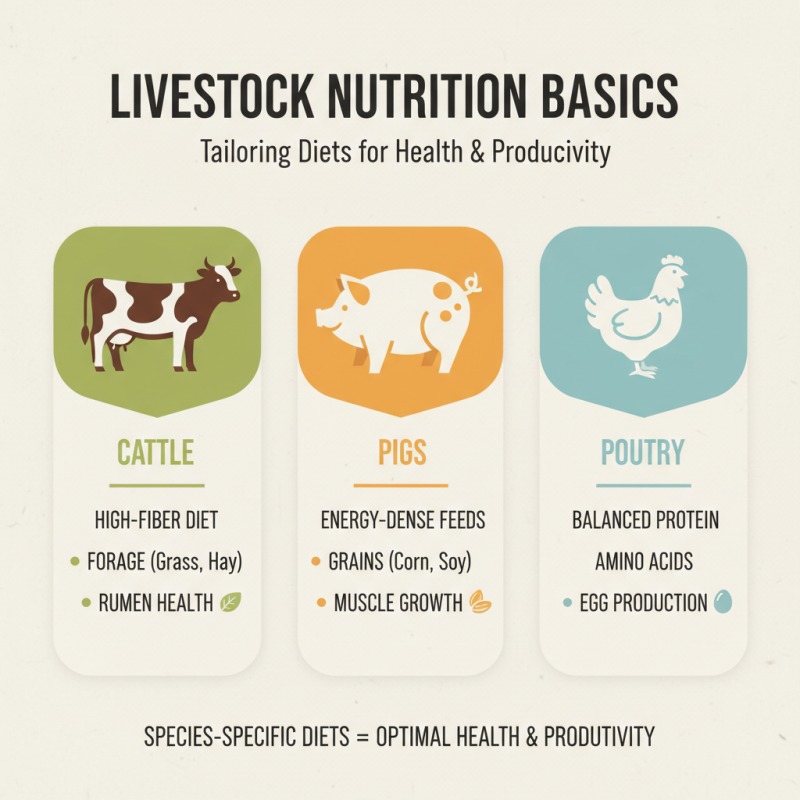
Understanding the nutritional needs of different livestock species is crucial for maximizing health and productivity. Each species has unique dietary requirements. For instance, cattle thrive on a high-fiber diet, while pigs benefit from more energy-dense feeds. Understanding these differences can enhance growth and milk production.
To optimize livestock nutrition, consider the source of nutrients. Fresh forage is often better than processed feeds, promoting better digestion. Regularly adjusting feed based on seasonal changes or growth stages is vital. Monitor the health and growth of livestock to identify nutritional gaps.
Supplementing vitamins and minerals is also essential. However, less is not always better. Balancing these elements requires careful planning. Regular tests of forage quality can provide valuable insights. This ensures livestock receive the right nutrients without overspending or underfeeding. Adjust your strategies based on real-time observations and feedback from your livestock’s performance.
Evaluating Forage Quality and Its Impact on Livestock Health
Evaluating forage quality is essential for optimizing livestock health and productivity. In recent studies, quality forage can boost livestock weight gain by up to 20%. This is vital for beef and dairy producers. Farmers should prioritize forage testing to determine nutrient content. Forage analysis typically evaluates protein, fiber, and mineral levels.
Understanding these parameters can enhance feeding strategies. Research indicates that protein-rich forage leads to better digestion and nutrient absorption. For instance, a study showed that cattle on high-quality forage had improved milk production by 15%. However, not all forages meet these standards. Poor-quality forage can lead to health issues, including reduced fertility and increased susceptibility to diseases.
It's crucial for producers to recognize potential gaps in their forage quality. Regular assessments and adjustments in feeding practices are necessary. Farmers should also consider local variations in forage growth. Variability can affect livestock performance. Maintaining awareness of these factors is key to successful livestock nutrition management.
Implementing Nutrient Balancing for Optimal Feed Efficiency
Effective nutrition is crucial for livestock to thrive. Implementing nutrient balancing can significantly enhance feed efficiency. By accurately assessing nutrient needs, farmers can reduce waste and improve animal health. This method requires a thorough understanding of animal requirements at different life stages.
One practical tip is to analyze feed composition. Working with a nutritionist can help identify deficiencies or excesses in essential nutrients. Regularly adjust rations based on growth stages or production goals. Animals with balanced diets show better weight gain and overall productivity.
Another vital aspect is monitoring water intake. Water is often overlooked, yet it affects nutrient absorption. Ensure animals have constant access to clean water. Observe their behavior; lack of water can lead to reduced feed consumption. By focusing on these areas, livestock owners can achieve better outcomes in herd productivity.
Incorporating Supplements to Enhance Livestock Diets
Optimizing livestock nutrition is crucial for enhancing productivity and overall health. Incorporating supplements into diets can provide essential nutrients that may be lacking in standard feeds. For instance, a study by the National Animal Feed Association found that 40% of livestock diets do not meet micronutrient requirements. This gap can impact growth rates and milk production.
One effective approach is to include mineral and vitamin supplements. These can improve immunity and reproductive performance. According to the Journal of Animal Science, adding vitamin E significantly boosts the immune response in cattle. Additionally, amino acid supplements can enhance protein synthesis, leading to better weight gain. This evidence supports integrating targeted nutrition strategies to optimize livestock health.
Monitoring feeding practices is key. Regular assessments can identify deficiencies that need addressing. Consider varying supplement types based on the livestock's life stage. As animals mature, their nutritional needs change. Failure to adapt can lead to underperformance and health issues. Balancing supplements with forages and grains ensures a well-rounded diet, crucial for achieving optimal results in livestock production.
Monitoring and Adjusting Feeding Practices for Best Results
Monitoring livestock nutrition is crucial for optimal health and productivity.
Regular evaluation of feeding practices can unveil significant insights.
Use feed analysis to understand nutritional content for different groups.
Analyze growth rates over time. If gains are slow, it may indicate a need for dietary changes.
Adjustments should not be made hastily.
Introduce new feeds gradually to monitor animal responses.
Consider variables like age, breed, and climate.
This can be particularly troublesome when different animals require unique diets.
Keeping accurate records is essential.
Documenting feed types, amounts, and animal performance can help identify patterns.
Pay attention to animal behavior.
Increased feed refusals might signal issues with palatability or feed quality.
Regular check-ups with a nutritionist can enhance feeding strategies.
Their expertise can guide necessary tweaks and ensure optimal nutrient delivery.
Engaging with experts helps foster reliable practices while remaining open to changes.