China Top 10 Livestock and Feed Products for Global Buyers?
In recent years, China's livestock and feed industry has gained significant attention from global buyers. Experts highlight the immense potential of this market. Dr. Emily Zhang, a renowned specialist in agricultural economics, states, "Understanding the intricacies of livestock and feed is essential for tapping into China's vibrant market."
The dynamics of livestock and feed products are complex. China's unique climate and vast land resources contribute to its diverse offerings. Global buyers seek premium quality and sustainable practices in sourcing. However, navigating regulations can be challenging and requires expert insight. The balance between supply and demand remains a critical concern.
Furthermore, quality assurance in livestock and feed production is paramount. Recent controversies have raised questions about safety standards. Continuous improvement in this sector is necessary. Buyers must remain vigilant and informed about their sourcing choices. The journey in the livestock and feed sector offers both great opportunities and important reflections on sustainability and quality.
Overview of China’s Livestock Industry
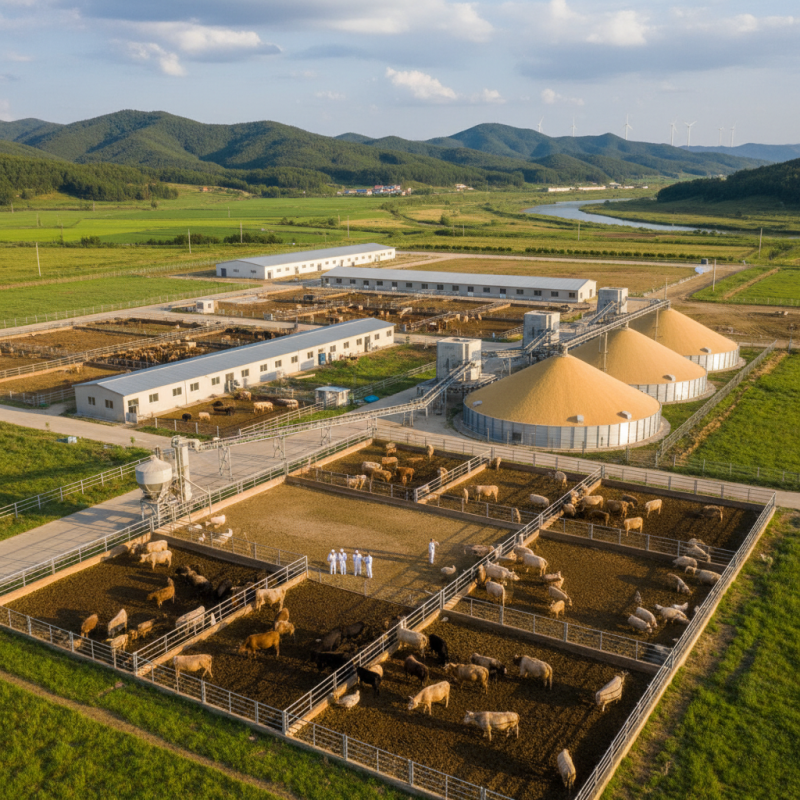
China's livestock industry stands as a vital sector, significantly impacting both the domestic economy and global markets. With a staggering output of over 60 million tons of pork in recent years, China remains the world's leading producer. Poultry and beef follow closely, with production figures exceeding 18 million and 6 million tons, respectively. The country’s dairy sector also shows promise, reaching about 35 million tons annually. This impressive scale positions China as a key player in the global supply chain.
Despite its achievements, challenges exist within the industry. Disease outbreaks, like African Swine Fever, have disrupted pork supply chains. Additionally, the rising demand for sustainable practices pushes producers to adapt. The feed sector is equally crucial, as it accounts for approximately 70% of production costs. Current trends indicate a shift towards alternative protein sources, which could reshape future feed formulations. As global buyers seek quality and sustainability, China's livestock and feed products must evolve.
Key Livestock Products Exported by China
China has emerged as a significant player in the global livestock export market. The country primarily exports pork, beef, and poultry products. These items are vital in meeting the rising demands of international consumers. China is also known for its aquaculture products, including fish and shrimp. This diversity makes China a key partner for global buyers seeking reliable sources of protein.
One area of concern is the quality control of these livestock products. While many adhere to stringent standards, some might not meet global expectations. Ensuring safety and quality is crucial for building trust with international buyers. Furthermore, the transportation of perishable items poses challenges. Delays can compromise the freshness of products. Continuous improvement in these processes is essential for China to maintain its competitive edge.
In addition to meats, China is a leading exporter of feed products. These include grains and additives vital for livestock nutrition. The feed industry is evolving rapidly, focusing on sustainability. However, challenges like over-reliance on certain crops exist. Addressing these issues can enhance the overall quality of both livestock and feed products. The path ahead requires commitment and a willingness to adapt.
China Top 10 Livestock and Feed Products for Global Buyers
| Product |
Export Volume (Metric Tons) |
Main Export Destinations |
Estimated Value (Million USD) |
| Pork |
1,000,000 |
Japan, Korea, EU |
3,000 |
| Poultry |
800,000 |
Middle East, Southeast Asia |
2,500 |
| Beef |
500,000 |
US, Canada, Japan |
3,500 |
| Sheep Meat |
300,000 |
Middle East, Africa |
1,200 |
| Fish |
1,200,000 |
US, Japan, EU |
4,000 |
| Soybean Meal |
3,000,000 |
Southeast Asia, Europe |
1,800 |
| Corn |
2,500,000 |
Japan, South Korea |
800 |
| Wheat |
1,800,000 |
South East Asia, Middle East |
600 |
| Barley |
400,000 |
Japan, Korea |
150 |
| Rice |
300,000 |
Africa, Middle East |
400 |
Top Feed Products in China for Global Markets
China's livestock feed market is rapidly evolving. According to a recent report by the China Animal Husbandry Industry Association, the total production of animal feed reached over 200 million tons in 2022. This highlights China's position as the world's largest feed producer. Global buyers can find diverse products tailored for various livestock, including poultry, swine, and aquaculture.
The market's shift towards high-quality ingredients is notable. Emerging trends favor organic and non-GMO feed options. In 2023, the demand for organic feed increased by approximately 15% compared to previous years. However, the industry still grapples with quality control issues. Not all products meet international safety standards. This inconsistency can create challenges for global buyers seeking reliable suppliers.
Incorporating local grains into feed formulations is becoming common. This sustainable practice helps reduce costs and supports local farmers. Yet, sourcing these ingredients can be unpredictable. Buyers must remain cautious about potential fluctuations in availability and prices. Enhanced traceability and transparency in the supply chain are essential for building trust among global clients. While progress is evident, ongoing commitment to quality assurance is crucial for the industry's global competitiveness.
Quality Standards and Regulations for Exporting Livestock Products
When it comes to exporting livestock products from China, adhering to quality standards and regulations is paramount. The country has established rigorous guidelines to ensure the safety and quality of its exports. According to the China National Standard (GB 16861-2009), livestock and feed products must meet specific safety and quality criteria, including limits on contaminants and residues. This standard is crucial for gaining market access in regions with stringent food safety regulations, such as the EU and the US.
Moreover, the Chinese government collaborates with international organizations to enhance standards. For instance, the Ministry of Agriculture and Rural Affairs often aligns its regulations with Codex Alimentarius guidelines. However, the compliance process can be challenging. Many exporters struggle to navigate the complex web of local and international requirements. A 2022 report from the China Chamber of Commerce for Import and Export of Foodstuffs reveals that over 30% of livestock exporters faced delays in approvals due to non-compliance issues.
Exporters must remain vigilant about these standards. Inadequate understanding of regulations can lead to significant financial losses. Additionally, continual monitoring and adjustments are necessary for maintaining compliance. Navigating the export landscape requires not just knowledge of regulations but also a proactive approach to quality assurance. The dynamic nature of global demand also adds pressure to consistently meet quality expectations.
Market Trends and Demand for Chinese Livestock and Feed Products
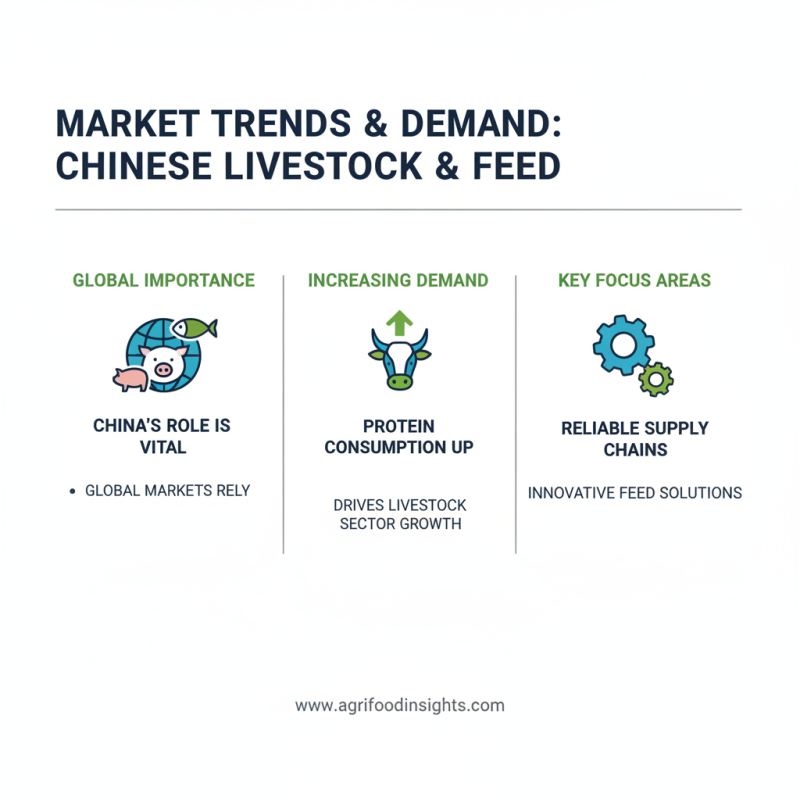
China's livestock and feed products are vital for global markets. As demand increases, understanding market trends becomes essential. The growth in the Chinese livestock sector is driven by rising protein consumption. This shift highlights the need for reliable supply sources and innovative solutions.
Tips: Engage with local suppliers to understand their challenges. This connection can highlight opportunities in product improvement.
An increased focus on sustainability is evident. Producers are investing in organic practices. This trend aligns with global desires for healthier, eco-friendly options. However, not all producers are on board. Some face challenges in transitioning, which can affect supply consistency.
Tips: Research the sustainability practices of potential partners. This knowledge can build trust and strengthen relationships.
Tech advancements also play a role. The integration of smart farming methods improves yield and efficiency. Yet, the technology gap remains. Smaller operations may struggle to adopt these innovations. Addressing this disparity is crucial for boosting overall productivity.