Top 10 Animal Feed Suppliers for Global Buyers

Choosing a reliable animal feed supplier can shape product quality, operating costs, and delivery schedules. For global buyers, the decision reaches beyond price. Ingredient consistency, production capacity, documentation, and communication all matter. A shipment arriving late can disrupt a mill’s carefully planned production run. Small differences in moisture or pellet size can also affect handling and storage.

This guide introduces ten animal feed suppliers serving international markets. It considers practical factors buyers can verify, including product ranges, manufacturing capabilities, quality systems, export experience, and regional coverage. These details help narrow a shortlist, but they do not replace direct checks. Ask for current specifications, sample results, and clear information about lead times. Then compare offers using the same requirements.

No list can fit every buyer. A poultry producer in Southeast Asia may value different ingredients than a dairy operation in Europe. Supplier information can also change, and published claims deserve careful review. That is worth remembering. The strongest partner is not always the largest or cheapest; dependable communication and consistent batches may matter more over time. Some comparisons remain imperfect. Still, a structured overview can make early research easier and help buyers ask better questions before committing to a long-term supply relationship.
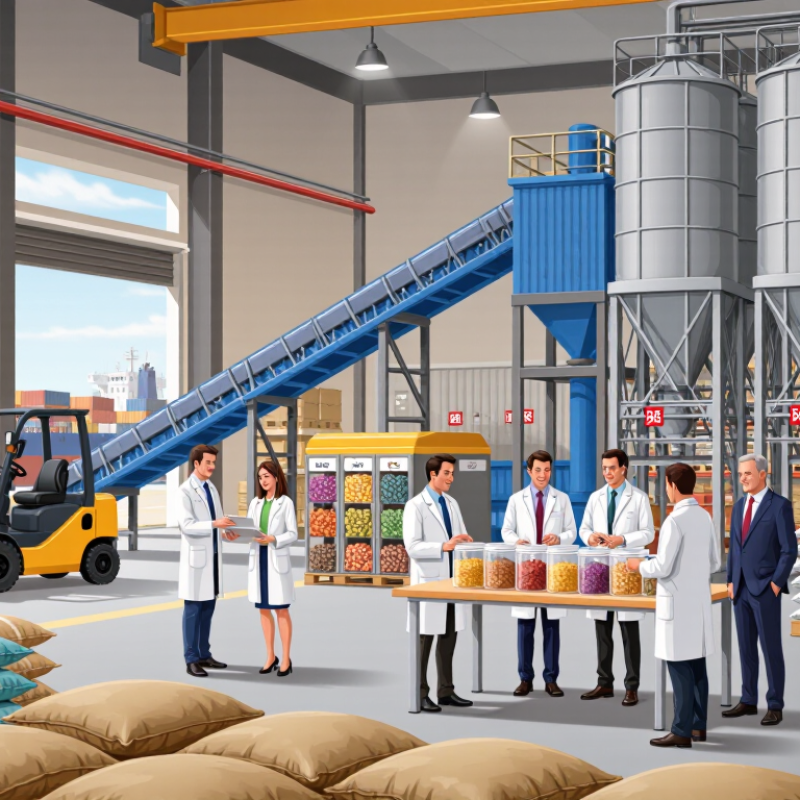
Top 10 Animal Feed Suppliers for Global Buyers

Understanding the Global Animal Feed Supply Market

Animal feed moves through a supply chain shaped by crop harvests, shipping capacity, storage, and local demand. Global buyers often compare more than quoted price. They also review ingredient consistency, moisture levels, delivery schedules, and the supplier’s ability to explain changes between batches. A shipment that arrives late can disrupt feed production, even when its paperwork and quality checks are complete.

Market conditions can shift quickly. Drought may tighten supplies of grains or oilseed meals, while port congestion can add days to transit. Buyers should ask how suppliers manage substitutions and communicate delays. Requesting recent laboratory results and sample specifications can make comparisons more useful. Still, documents are only part of the picture. A small difference in grind size or odor may matter on the production floor. Worth checking in person.

Regional sourcing may shorten delivery routes, but it does not automatically guarantee stable supply or consistent quality. Long-distance sourcing can offer broader ingredient choices, yet freight costs and currency changes complicate planning. Experienced procurement teams track these factors and keep practical contingency plans. No forecast is perfect. Buyers who discuss storage conditions, order flexibility, and traceability early are better prepared to judge whether a supplier fits their operation.
Criteria for Comparing Animal Feed Suppliers

When comparing animal feed suppliers, start with the feed itself, not the sales pitch. Request a current specification sheet showing nutrient levels, ingredients, moisture range, and intended animal class. Check whether those figures match your animals’ needs and your feeding plan. Small variations matter. Ask how batches are tested and how the supplier handles results that fall outside agreed limits. A polished certificate is useful, but it does not replace clear answers about sampling and record keeping.

Look closely at ingredient sourcing, production controls, and traceability. Can the supplier identify a lot from delivery paperwork? Ask about routine checks for contamination and how long quality records are retained. Verify that any stated certifications apply to the relevant facility and destination market. Then assess practical fit: monthly capacity, lead times, packaging, storage guidance, and transport options. A delayed shipment can disrupt feeding schedules, even when the product is sound. Request samples where appropriate, and compare them under the same conditions. Keep notes on texture, smell, labeling, and handling. No scorecard is perfect. A spreadsheet can miss slow communication or unclear answers, so test both before committing. One uneasy detail deserves a follow-up, not a quick excuse.

Profiles of Ten Suppliers Serving Global Buyers

These ten supplier profiles reflect different ways animal feed suppliers serve international buyers. A large-scale grain processor may offer steady volumes and documented quality checks. A regional mill can provide flexible batches and closer communication. A protein-meal specialist may share detailed nutrient analyses. A mineral-premix producer often supports precise formulation, but buyers should confirm ingredient specifications.

An integrated producer may coordinate sourcing, processing, and shipping under one system. That can simplify purchasing, though it does not remove the need to review each step. A cooperative supplier may connect buyers with local growers and seasonal crops. A specialist in poultry feed may understand species-specific requirements. Ask for records. A logistics-focused distributor can consolidate cargo and manage delivery schedules, but handling conditions still matter.

The remaining profiles include a supplier of forage-based feed, a manufacturer serving aquaculture operations, and an exporter focused on customized blends. Compare sample results, packaging, lead times, and communication before choosing. Request recent test reports and clarify how batches are identified. These checks are useful, not foolproof. Paperwork can look complete while practical service falls short. Buyers should also assess whether a supplier can explain changes in raw materials and maintain consistent specifications across orders.

Global Animal Feed Production by Region (2023)

Asia-Pacific accounted for the largest share of reported feed production in 2023. Regional production provides market context for global buyers; it is not a ranking of individual suppliers or their sales.

Source: Alltech Agri-Food Outlook 2024. Figures are rounded and represent estimated feed production in million metric tons.

Product Portfolios and Regional Supply Coverage

A useful comparison of leading animal feed suppliers starts with product range, not catalog size. Buyers should check whether a supplier covers poultry, dairy, swine, aquaculture, or companion animals, and whether its products suit each life stage. Offerings may include complete feeds, concentrates, premixes, and single ingredients. Clear specifications matter: protein and fiber levels, moisture limits, packaging sizes, and storage guidance help buyers compare like with like.

Regional coverage shapes what can be delivered reliably. A supplier with nearby mills or distribution points may shorten transit times and make smaller orders practical. For cross-border purchasing, ask about export experience, shipment schedules, temperature or moisture protection, and documentation. Coverage maps can look impressive. Actual service may vary by season, port congestion, and local demand, so request delivery estimates for the intended destination. That detail is easy to miss.

The strongest suppliers explain how they manage sourcing and quality checks, and provide consistent product information across markets. Ask for recent specifications, batch identification practices, and a clear process for handling quality concerns. Also compare minimum order quantities and lead times; a broad portfolio is less useful if key products are frequently unavailable. I would not assume that one supplier fits every region. Buyers should test the practical details with a small, clearly defined order before planning long-term volumes.

Top 10 Animal Feed Suppliers for Global Buyers - Product Portfolios and Regional Supply Coverage

No. Supplier Category Typical Product Portfolio Primary Buyer Segments Typical Regional Supply Coverage Sourcing Considerations
1 Compound feed manufacturers Complete feeds, concentrates, and species-specific rations for poultry, swine, cattle, and aquaculture Livestock farms, integrators, and feed distributors Usually country- or region-focused because finished feed is bulky; larger groups may serve multiple markets through local mills Check local registrations, nutritional specifications, delivery radius, and consistency between production batches
2 Feed premix manufacturers Vitamin and mineral premixes, trace-element blends, and customized micro-ingredient formulations Feed mills, integrators, and large farms with on-site mixing Regional production and distribution networks are common; exports depend on product registration and import rules Confirm formulation, inclusion rate, shelf life, packaging, and documentation for each destination market
3 Oilseed meal suppliers Soybean meal and other oilseed meals used as protein ingredients in compound feeds Feed mills, livestock integrators, and commodity traders Trade flows commonly link major oilseed-processing and exporting regions with feed-importing markets worldwide Compare protein and fiber levels, moisture, origin documentation, shipment size, and commodity-price terms
4 Grain and cereal ingredient suppliers Feed-grade maize, wheat, barley, sorghum, and cereal by-products Feed manufacturers, farms, and agricultural distributors Supply is often regional, supplemented by international grain trade where local harvests are insufficient Specify grade, moisture, mycotoxin limits, cleaning requirements, delivery season, and storage conditions
5 Fishmeal and marine-ingredient suppliers Fishmeal and related marine protein ingredients for aquaculture and selected livestock diets Aquafeed producers, feed mills, and specialist nutrition companies Exports connect marine-fishing and processing areas with aquaculture-producing markets across several regions Verify protein and fat content, freshness indicators, species or origin requirements, and sustainability documentation
6 Feed-grade amino acid suppliers Key amino acids, including lysine, methionine, threonine, and tryptophan, in feed-grade forms Premix producers, feed mills, and livestock integrators Internationally traded products are distributed through regional importers and feed-ingredient channels Check assay, product form, packaging integrity, certificate of analysis, and applicable feed-additive rules
7 Feed-grade vitamin suppliers Individual vitamins and stabilized vitamin preparations for premixes and compound feeds Premix manufacturers, feed mills, and animal-nutrition formulators Often supplied through global trade networks with local distributors or regional warehouses Review potency, stability, storage requirements, expiry dates, and batch-level quality documentation
8 Feed mineral suppliers Feed-grade calcium, phosphorus, salt, and trace-mineral ingredients Feed mills, premix producers, and livestock operations Availability varies by mineral and deposit or processing location; bulk minerals are often sourced regionally Confirm feed-grade status, solubility or particle size where relevant, contaminant limits, and transport costs
9 Feed fat and oil suppliers Feed-grade vegetable oils, animal fats, and blended energy ingredients Compound feed manufacturers, dairy farms, and aquafeed producers Regional supply may be supplemented by cross-border trade in vegetable oils and rendered fats Check fatty-acid profile, oxidation indicators, source traceability, handling temperature, and local regulations
10 Feed enzyme and microbial additive suppliers Enzymes, probiotics, and other approved feed additives for specified animal species and production uses Feed mills, integrators, premix producers, and specialist nutrition companies Products are traded internationally, but market access and permitted uses are determined by local regulations Verify approved claims, target species, dose guidance, storage conditions, and destination-country authorization

Note: Supplier entries are anonymized industry categories, not named companies or a verified ranking of individual businesses. Regional coverage describes common supply and trade patterns for each category; actual availability depends on the product, destination regulations, and current logistics.

How Buyers Can Evaluate and Select a Supplier

A dependable animal feed supplier should prove consistency, not merely offer a low price. The 2024 Global Feed Survey estimated worldwide feed production at about 1.29 billion metric tonnes in 2023, across 142 countries. That scale makes production capacity and delivery resilience practical questions. Ask for recent batch certificates, ingredient origins, and written procedures for moisture and mycotoxin testing. Then compare the documents with a sample batch and the product specification.

Visit the facility when possible. Check how staff identify incoming ingredients, clean equipment, and separate stored batches. Ask for audit records and a clear process for handling quality complaints. A supplier should also explain typical lead times, minimum order sizes, and what happens when a shipment is delayed. Small details matter. A neat certificate is useful, but it cannot show whether the warehouse floor is damp or labels match the bags.

For cross-border purchases, verify that specifications and documents suit the destination market, and confirm responsibilities for transport and storage in writing. Compare quotations using delivered cost, not just price per tonne. I would not treat a polished presentation as proof; paperwork can still miss a real bottleneck. No checklist catches everything. Recheck performance after the first shipment, noting arrival condition, batch consistency, and how quickly the supplier answers specific questions.