Top 10 Deer Feed Options for Global Buyers to Consider?
In the world of deer feed, selecting the right options is critical for optimal deer health and management. According to a report by the Wildlife Nutrition Institute, the deer feed market has grown by over 25% in recent years. This trend highlights the increasing importance of quality nutrition for deer, which directly impacts hunting, wildlife management, and environmental sustainability.
Dr. Jane Carter, a leading expert in wildlife nutrition, emphasizes, “Choosing the right deer feed can enhance antler growth and overall herd health.” This insight reflects the need for buyers to carefully evaluate their options. With various products available, understanding the nutritional requirements is vital for both ranchers and wildlife enthusiasts.
While many feeds boast high protein levels, some may fall short in delivering balanced nutrition. Buyers must remain vigilant. It's essential to assess both ingredients and their source. As the industry evolves, ongoing reflection and research are critical to ensure that the chosen deer feed meets the specific needs of different deer populations. Balancing quality and availability can make a significant difference in outcomes.
Understanding the Nutritional Needs of Deer for Optimal Feed Selection
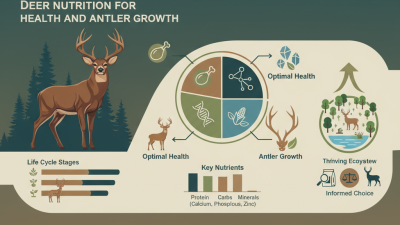
Understanding the nutritional requirements of deer is key to selecting the right feed. Deer have unique dietary needs that vary by age, weight, and reproductive status. According to research from the University of Georgia, protein is essential for growth and antler development. An adult deer requires 14-16% protein for optimal health.
In addition to protein, deer need a balanced diet rich in vitamins and minerals. Calcium and phosphorus are crucial for bone development and fawn growth. Insufficient levels can lead to weak bones and stunted growth in young deer. A study published in the Journal of Wildlife Management indicates that proper mineral supplementation can improve reproductive success by up to 20%.
Quality of forage impacts deer nutrition significantly. Seasonal changes can affect availability of natural food sources. For instance, during winter months, deer may struggle to find adequate nutrition. This highlights the importance of supplemental feeding during harsh conditions. It’s essential to evaluate the nutritional content of feed options regularly, as not all commercial feeds meet deer’s specific needs. Regular assessment ensures that the feed remains effective and beneficial for their health.
Top 10 Deer Feed Options for Global Buyers
Top Characteristics to Look for in High-Quality Deer Feed Products
When selecting deer feed, high-quality options stand out. A mix of proteins, vitamins, and minerals is essential. This blend supports growth and health for deer. Look for feeds containing natural components. Whole grains and forage ingredients are beneficial.
Consider the protein content. Young deer require more protein for growth. Adult deer benefit from moderate levels. Quality feed often includes dedicated formulations for different life stages. This ensures nutrient needs are met effectively.
Tips: Always check the label for ingredient lists. Avoid feeds with fillers such as corn. These can dilute the nutritional value. Monitor deer health regularly to adjust feed types as needed. Observing changes can reflect the effectiveness of your chosen feed.
Top 10 Deer Feed Options for Global Buyers to Consider
| Feed Option |
Key Ingredients |
Nutritional Content |
Suitable Deer Age |
Availability |
| Premium Alfalfa Pellets |
Alfalfa hay, molasses |
High fiber, protein-rich |
All ages |
Worldwide |
| Deer Corn |
Whole corn kernels |
High energy, carbohydrates |
All ages |
North America |
| Protein Blox |
Soybean meal, molasses |
High protein, mineral-rich |
Young and adult |
Region specific |
| Wildlife Mix |
Grains, seeds, nuts |
Balanced nutrients |
All ages |
Widespread |
| Mineral Blocks |
Minerals, vitamins |
Essential minerals |
All ages |
Globally |
| Pelleted Feed |
Grains, protein supplements |
Vitamins, minerals |
Young and adult |
Internationally available |
| Soybean Mash |
Soybean, by-products |
High protein |
Adult |
Available in most regions |
| Rice Bran |
Rice bran, oil |
High fat, energy |
All ages |
Widely available |
| Sweet Feed |
Grains with sweeteners |
Carbohydrates, protein |
Adult |
Available in most regions |
| Grain Mix |
Various grains |
Nutrient-rich |
All ages |
Globally |
Comparative Analysis of Popular Deer Feed Options in the Market
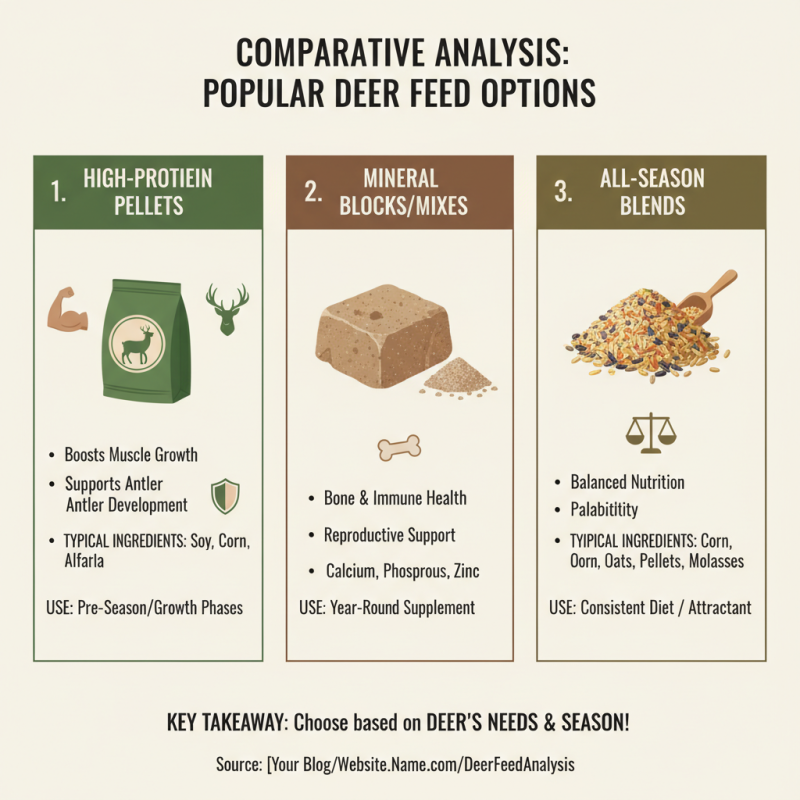
Selecting the right deer feed can significantly impact deer health and growth. This comparative analysis covers various options available in the market today. Ingredients vary widely, affecting nutritional quality and palatability. Some options are high in protein, while others offer vital minerals. Understanding these differences can help buyers make informed decisions.
When evaluating deer feed, consider the life stage of your deer. Young fawns require higher protein to support rapid growth. In contrast, adult deer may benefit from balanced nutrition for maintenance and reproduction. Consider local foraging habits; if deer are accustomed to natural vegetation, introducing new feed might take time.
Tips: Always monitor deer after changing their diet. Look for signs of digestive distress. Adjust the feed composition gradually to allow adaptation. Consult local experts to tailor your feeding strategies. This approach ensures deer receive optimal nutrition while accommodating their natural behaviors.
Sustainable Sourcing: Eco-Friendly Considerations for Deer Feed
Sourcing deer feed sustainably is crucial for our environment. Eco-friendly options not only benefit deer health but also support biodiversity. Harvesting feed responsibly minimizes habitat destruction. Many suppliers now focus on local sources to reduce transportation emissions. This approach also supports local economies.
Consider natural ingredients such as grasses, legumes, and grains. These choices are not only nutritious but also sustainable. However, examining the entire lifecycle of the feed is important. Some organic practices may still lead to soil degradation. Monitoring these impacts is essential for true sustainability.
As we explore options, we must ask tough questions. Is this feed truly sustainable? Are the farming practices being properly monitored? Understanding the answers can guide buyers. Engaging with local farmers may reveal insights about production processes. Transparency is key to ensuring that the deer feed we choose is both eco-friendly and beneficial for wildlife.
Global Regulations and Standards for Deer Feed Manufacturing and Distribution
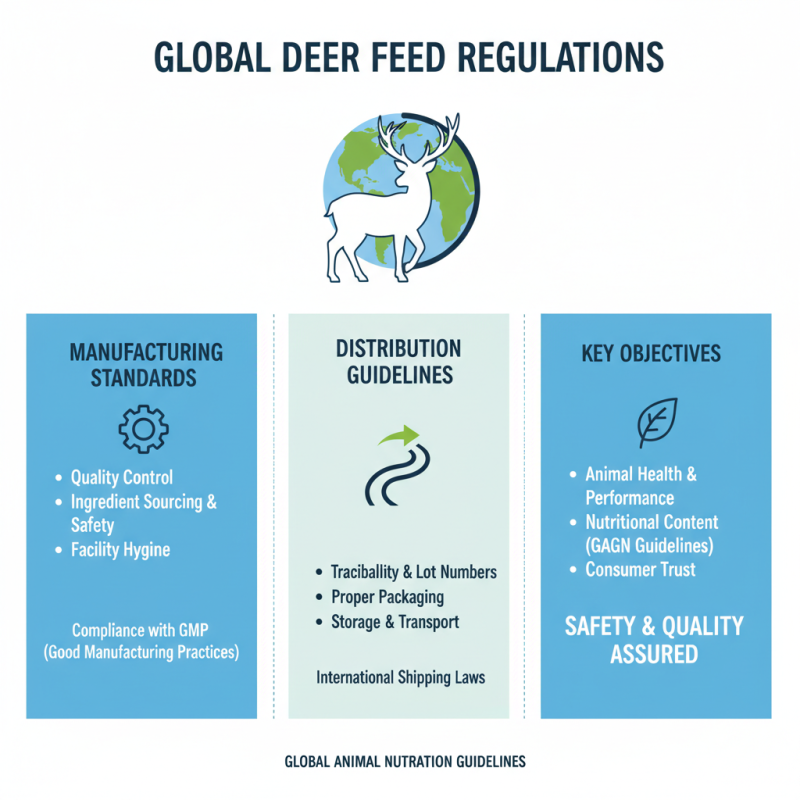
When it comes to deer feed, understanding global regulations is crucial. The manufacturing and distribution of deer feed must comply with specific guidelines to ensure safety and quality. The Global Animal Nutrition Guidelines suggest that appropriate nutritional content in deer feed can enhance animal health and performance.
Different countries have different standards. In the U.S., the Association of American Feed Control Officials (AAFCO) plays a vital role. They provide ingredient definitions and label regulations. In Europe, the European Commission outlines strict quality control measures. These measures focus on minimizing contaminants and ensuring feed effectiveness. Non-compliance can lead to severe penalties.
Emerging markets are also shaping feed production. For instance, a recent industry report indicated that the Asia-Pacific region is experiencing rapid growth in deer farming. As these markets expand, understanding local regulations becomes important. This complexity presents both challenges and opportunities for global suppliers. Companies must adapt their products to meet diverse regulatory frameworks. This adaptability could impact profitability and market access significantly.