Top Trends in Livestock and Feed Management for Sustainable Farming Practices

In the face of rising environmental concerns and increasing demand for sustainable practices in agriculture, the livestock and feed sector stands at a pivotal juncture. Experts in the field, such as Dr. Emily Carter, a leading agricultural scientist, emphasize the importance of innovative strategies, stating, "The future of sustainable farming hinges on our ability to optimize livestock and feed management, ensuring both productivity and environmental stewardship." As the industry evolves, it is essential to explore the top trends that are shaping the practices surrounding livestock and feed.

With advancements in technology, precision livestock farming is becoming increasingly prevalent, enabling farmers to monitor and manage their herds more effectively. This shift not only boosts efficiency but also reduces the ecological footprint of farming operations. Furthermore, the integration of biofuels and alternative feed sources presents exciting opportunities to enhance the sustainability of livestock production while addressing the challenges posed by traditional feed methods. As these trends continue to gain traction, understanding their implications for the future of livestock and feed management is crucial for fostering a resilient and environmentally friendly agricultural landscape.
Top Trends in Livestock and Feed Management for Sustainable Farming Practices

Emerging Technologies in Livestock Management for Sustainability

Top Trends in Livestock and Feed Management for Sustainable Farming Practices

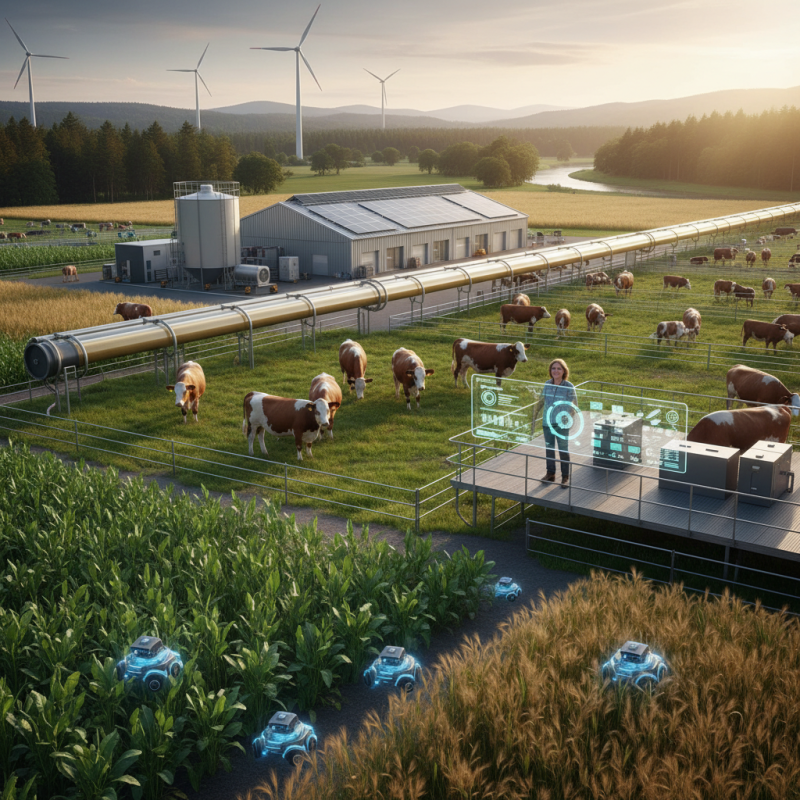
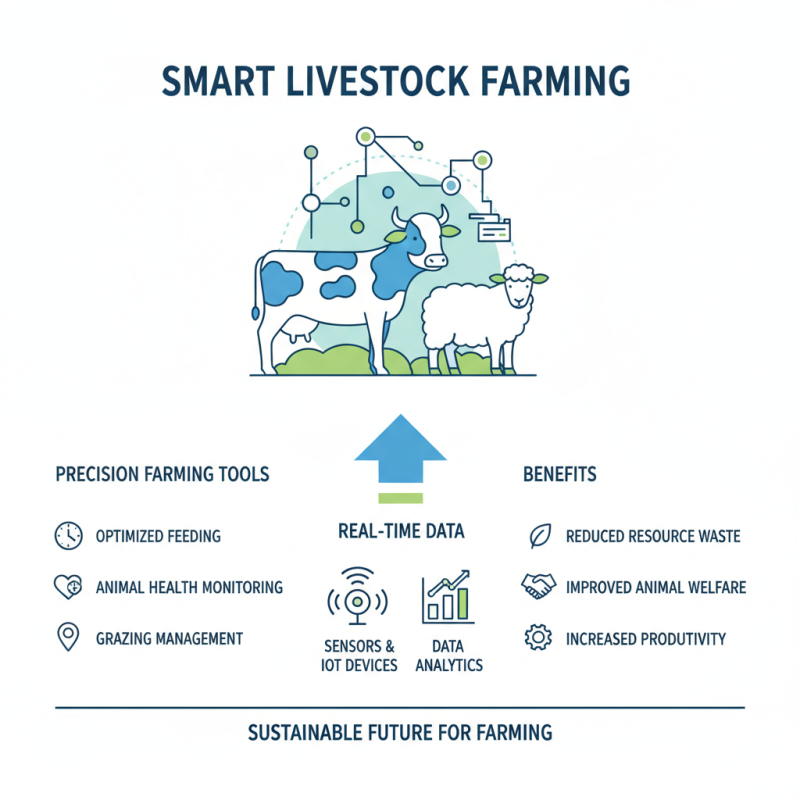
The integration of emerging technologies in livestock management is revolutionizing sustainable farming practices. One crucial aspect is the utilization of precision farming tools, which leverage data analytics to optimize feeding schedules, monitor animal health, and manage grazing patterns. By employing sensors and IoT devices, farmers can gather real-time data on livestock behavior and health metrics, allowing for timely interventions that enhance animal welfare and productivity while minimizing resource waste.

Another significant advancement is the application of artificial intelligence in livestock management. AI algorithms can analyze large datasets to predict outcomes, such as the best time for vaccination or the most effective feed formulations tailored to specific animals' needs. These intelligent systems not only facilitate better decision-making but also contribute to reducing the environmental impact of livestock farming. Furthermore, the adoption of blockchain technology for traceability ensures that sustainable practices are documented, creating transparency in the supply chain and fostering consumer trust in responsibly-produced animal products. Together, these technologies represent a paradigm shift towards more efficient, ethical, and sustainable livestock management practices.
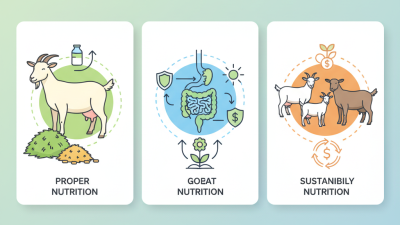
Innovative Feed Solutions for Enhanced Animal Health and Growth

Innovative feed solutions play a crucial role in enhancing animal health and growth, integral aspects of sustainable farming practices. By focusing on nutritional balance and optimal feed formulations, farmers can ensure that livestock receive essential vitamins, minerals, and nutrients necessary for their development. Modern feed technologies incorporate ingredients that not only enhance growth rates but also bolster the immune systems of animals, promoting overall health and reducing the incidence of disease.

Tips for maximizing the benefits of innovative feed solutions include regularly assessing the nutritional needs of your livestock based on their growth stage and production goals. Additionally, consider integrating fermentation or prebiotic additives into feed, which can improve gut health and nutrient absorption. Another effective strategy is to monitor the feed conversion ratio, as this can indicate whether livestock are benefiting from the feed provided and help identify any necessary adjustments.

Implementing diverse feed components, such as high-protein legumes or energy-rich grains, can also contribute significantly to improved animal health and productivity. Regularly consulting with nutritionists and utilizing data analytics to monitor livestock performance are essential steps in refining feed strategies. Adopting these practices not only supports animal well-being but also aligns with the broader goals of sustainable and responsible farming.

Sustainable Pasture Management Practices for Livestock Optimization

Top Trends in Livestock and Feed Management for Sustainable Farming Practices

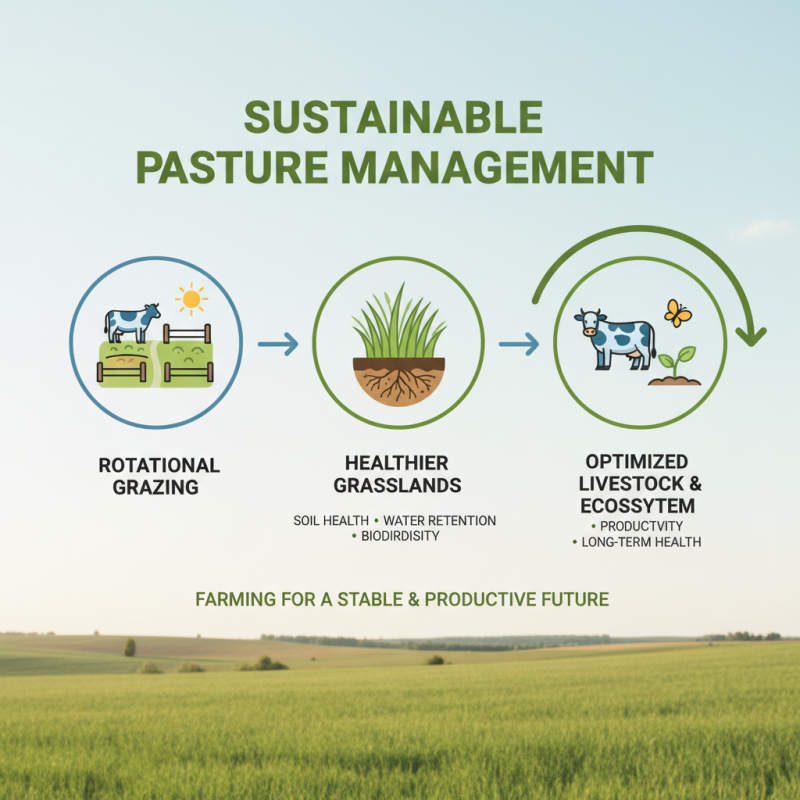
Sustainable pasture management is crucial for optimizing livestock operations and ensuring the long-term health of farming ecosystems. Implementing rotational grazing practices allows pastures to recover and regenerate after being grazed, promoting healthier grasslands. By alternating grazing areas, farmers can minimize overgrazing and encourage soil health, which enhances water retention and biodiversity. This method not only boosts pasture productivity but also creates a more stable environment for livestock, leading to improved animal welfare and productivity.

Another effective strategy is integrating legumes into pasture systems. Legumes, such as clover and alfalfa, naturally fix nitrogen in the soil, reducing the need for synthetic fertilizers. This not only lowers production costs but also improves soil fertility and quality. Additionally, diverse pasture compositions, including various forage species, can enhance resilience against pests and diseases, ultimately leading to a more sustainable grazing system. These practices collectively contribute to a more efficient livestock management approach, promoting ecological balance while maximizing yields.

Impact of Climate Change on Livestock and Feed Production Strategies

Climate change has significantly influenced livestock and feed production strategies, necessitating a shift towards more sustainable farming practices. Extreme weather patterns, such as droughts and floods, disrupt the availability of feed resources, thereby affecting livestock health and productivity. Farmers must adapt by implementing resilient feed management strategies that prioritize sustainability while addressing these challenges. This can involve diversifying feed sources and using climate-resilient crop varieties, which can withstand adverse conditions and provide nutritional benefits to livestock.

Tips: Consider incorporating rotational grazing and agroforestry practices to improve soil health and increase feed availability. Additionally, farmers should explore advanced technologies such as precision agriculture, which allows for tailored feed formulation and resource management based on specific environmental conditions.

The integration of sustainable practices not only enhances productivity but also contributes to the overall health of ecosystems. It is crucial for livestock producers to monitor climate variations closely and adjust their management strategies accordingly. By investing in research and development, farmers can discover innovative solutions that mitigate the impact of climate change on feed production and livestock welfare.

Tips: Participate in local agricultural workshops to stay informed about best practices and emerging trends. Collaborating with agricultural experts can help you devise proactive strategies that counteract climate-related challenges effectively.

Regulatory Frameworks Supporting Sustainable Farming Practices in Livestock

The regulatory frameworks surrounding sustainable farming practices in livestock have gained significant traction, reflecting a growing recognition of the need for environmentally responsible agricultural methods. Various international guidelines, including the European Union's Common Agricultural Policy, encourage the integration of sustainable practices by providing financial incentives for farmers who adopt eco-friendly livestock management. According to a report by the Food and Agriculture Organization (FAO), nearly 70% of agricultural greenhouse gas emissions come from livestock production, underscoring the urgency for regulatory bodies to enforce sustainable practices that minimize environmental impact.

Furthermore, countries like Denmark and New Zealand are at the forefront of implementing regulations that specifically target the reduction of methane emissions from livestock. These regulations not only promote better animal husbandry practices but also include measures to enhance feed efficiency and reduce waste. Reports indicate that effective feed management can lead to a reduction in methane emissions by up to 30% per animal, presenting a compelling case for collaboration between governments, industry stakeholders, and farmers. The implementation of such frameworks not only supports sustainability but also ensures food security and economic viability in the livestock sector.

Top Trends in Livestock and Feed Management for Sustainable Farming Practices

Trend Description Impact on Sustainability Regulatory Support
Precision Livestock Farming Utilizing technology to monitor animal health and productivity. Increases efficiency and reduces waste. Supported by regulations promoting technological adoption.
Sustainable Feed Alternatives Using alternative protein sources like insects and algae. Reduces the environmental footprint of feed production. Governments encouraging research into sustainable feed.
Regenerative Agriculture Practices Practices aimed at restoring soil health and biodiversity. Improves carbon sequestration and ecosystem resilience. Regulations promoting conservation practices in agriculture.
Animal Welfare Standards Higher welfare standards for livestock to enhance living conditions. Boosts productivity and consumer trust. Legislations mandating humane treatment of animals.
Integration of Renewable Energy Utilizing solar and wind energy in farming operations. Reduces reliance on fossil fuels and lowers emissions. Incentives for renewable energy investments in agriculture.