The Ultimate Guide to Choosing the Best Animal Feeder for Your Pets?
Choosing the right animal feeder can significantly impact your pet's health and happiness. An appropriate feeder ensures they receive the right portion sizes without overindulgence. Many options exist, from automatic feeders to simple bowls. The variety can be overwhelming.
Consider your pet's unique needs when selecting an animal feeder. A feeder suited for a small dog may not work for a large cat. Some feeders can be complex, and not all pets adapt well. There might be a learning curve for your pet, which can cause frustration.
Look for features that enhance functionality, such as adjustable portion sizes. These details create more manageable feeding routines. Remember, maintaining a clean feeding area is just as important. The right animal feeder can lead to healthier and happier pets, but the choice requires careful thought and consideration.
Understanding Different Types of Animal Feeders Available on the Market
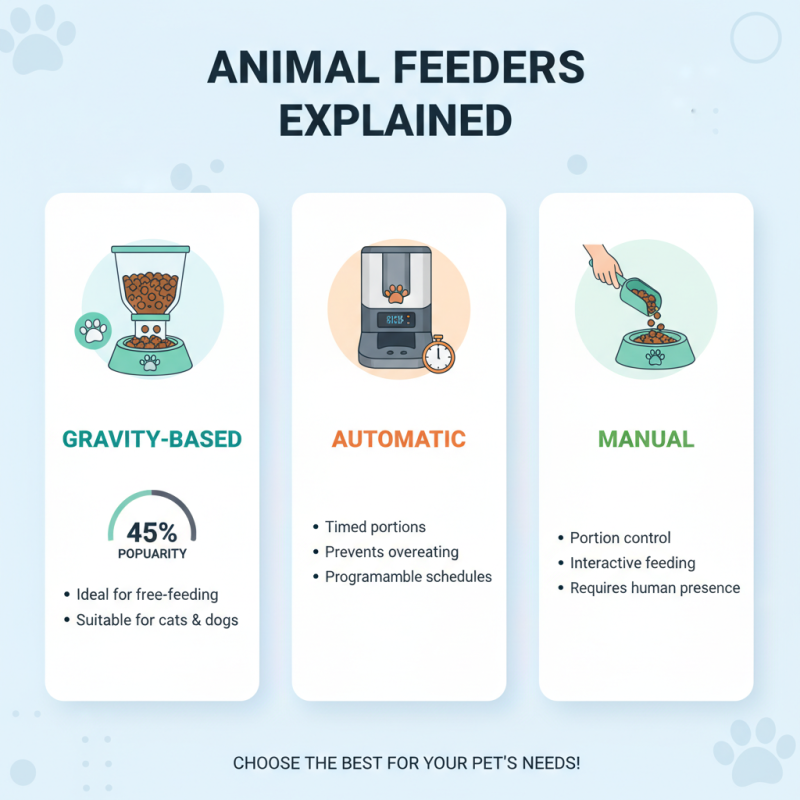
Animal feeders come in various types, each designed for specific needs. The most common feeders include gravity-based, automatic, and manual options. According to a recent survey, about 45% of pet owners prefer gravity feeders for their simplicity. These feeders automatically refill the food bowl as the pet eats. They work well for both cats and dogs, especially for free-feeding schedules.
Automatic feeders are gaining popularity; they account for roughly 35% of the market. These devices can be programmed to dispense food at set times, ensuring pets stay on a consistent feeding schedule. They are ideal for busy pet parents. However, they require electricity or batteries, which can be a drawback in certain situations.
Manual feeders remain a staple, used by about 20% of pet owners. These are straightforward but require owners to be more involved. They may not always provide the same level of convenience. Some might find that their pets overeat or wander away from the bowl too quickly. Choosing the right feeder is crucial for pet health. It’s essential to consider your pet's eating habits and lifestyle before deciding. A thoughtful approach can significantly improve your pet's well-being.
Key Factors to Consider When Choosing an Animal Feeder for Your Pets
When choosing an animal feeder for your pets, the first step is to consider your pet's specific needs. Different animals have unique feeding habits and preferences. A cat may prefer a low-profile feeder, while a dog needs something sturdy and elevated. Observe your pet as they eat. Do they spill food often? This could indicate the need for a design that minimizes mess.
Another key factor is the material of the feeder. Stainless steel and ceramic are often preferred for their durability and ease of cleaning. Plastic feeders can harbor bacteria over time. Watch for wear and tear when selecting materials. The feeder should also be easy to fill and refill. Having a complex feeder can lead to frustration during feeding time.
Size matters too. Ensure the feeder suits your animal's size. A small feeder for a large dog may lead to overeating or discomfort. It's important to assess whether the feeder limits portion control. Also, take into account your own lifestyle. Are you often away from home? Automatic feeders might be useful. Check for reliability in the mechanism as well. Some automatic feeders can malfunction, leading to missed meals or overfeeding.
Evaluating Material and Durability of Animal Feeders
When choosing an animal feeder, material and durability are key factors. Feeders are often made from various materials like plastic, stainless steel, and ceramic. Each offers distinct advantages and disadvantages. For instance, plastic is lightweight but may not withstand harsh weather conditions. Stainless steel, on the other hand, is durable and resistant to rust but can be heavier to manage.
Tips: Consider your pet's habits. If they are prone to chewing, avoid plastic. Always check for sharp edges or any potential hazards. In addition, ensure the material is easy to clean. Poor hygiene can lead to health issues for your pets.
Durability is another critical aspect to weigh. A feeder should last several seasons, so assess its construction quality. Look for strengthened joints and sturdy bases. Be cautious of feeders that seem too flimsy or lightweight. They might tip easily and create a mess.
Tips: Sometimes, a slightly higher upfront cost can prevent future expenses. Investing in a more durable product may save you money over time. Always read user reviews to understand real-life performance. These insights can reveal potential problems you might not have considered.
Assessing Size and Capacity Requirements for Your Pets' Needs
Choosing the right animal feeder begins with understanding size and capacity. Different pets have unique needs. For instance, a small dog might require a feeder that holds a few cups of food. In contrast, a larger breed needs a feeder with greater capacity. Assessing your pet's size is crucial.
Consider how often you feed your pets. Some pets eat multiple times a day, while others can go longer between meals. A larger capacity feeder can be convenient, reducing the frequency of refills. However, excessive storage may lead to stale food. It's essential to find a balance between convenience and freshness.
Another aspect is the feeding method. Some pets prefer slow feeding, while others eat quickly. Certain feeders accommodate these preferences. They also help in preventing overfeeding. Think about your pet’s habits. The right feeder enhances their dining experience, ensuring they receive the right amount of food without waste.
Exploring Additional Features for Enhanced Feeding Experience
Choosing the best animal feeder goes beyond basic functionality. It's about enhancing the feeding experience for both pets and owners. Consider feeders with adjustable portions. This feature allows you to customize the amount of food, reducing waste. A well-sized portion can help manage your pet's weight, improving their overall health.
Look for feeders with timers. These can dispense food at set intervals, providing a routine that many pets thrive on. A timed feeder can be helpful for busy owners. You might find yourself forgetting meal times in a hectic schedule. Another great addition to any feeder is a built-in water station. Hydration is vital. Many pets drink less when water is separate. This feature can encourage your pet to drink consistently.
Additionally, consider materials used in the feeders. BPA-free plastics or stainless steel are safer and easier to clean. Check for removable parts to simplify maintenance. It's essential to address hygiene to prevent health issues. Lastly, weigh the need for smart technology. Smart feeders can be convenient, yet they also come with a learning curve. Not all pets adapt quickly to high-tech solutions, which may require patience and adjustment.
The Ultimate Guide to Choosing the Best Animal Feeder for Your Pets
This chart illustrates the distribution of different pet feeding styles among pet owners, highlighting preferences that enhance the feeding experience for pets.