What Are China Top Animal Feeder Manufacturers?

Choosing a reliable animal feeder manufacturer in China requires more than comparing catalog prices. Farms, pet retailers, and livestock distributors need different designs, capacities, and cleaning routines. A small poultry feeder may use galvanized steel, while a pet model may rely on BPA-free plastic or stainless steel. Details matter. Lid fit, outlet control, weld quality, and stable mounting can affect daily use. This guide examines leading Chinese manufacturers through product range, production experience, material control, customization, and after-sales support. It also considers whether their claims can be checked through factory audits, sample testing, and clear documentation. A polished website is not enough.

The term “top” can be misleading. No list is flawless. Some companies operate as trading firms, while others control molding, stamping, assembly, and packaging under one roof. Their strengths may differ by market. One supplier may excel at automatic poultry systems, while another produces durable feeders for dogs, cats, rabbits, or farm animals. Buyers should review dimensions, feed flow, moisture resistance, spare parts, and minimum order quantities before signing a purchase agreement. Independent testing may still be necessary, especially for food-contact materials and electrical components. That extra step costs time. It can prevent expensive returns. The following overview presents practical information rather than an absolute ranking. Supplier performance may change, so readers should confirm current certificates, production capacity, lead times, and customer references directly with each manufacturer.
What Are China Top Animal Feeder Manufacturers?

What Are Animal Feeders and Why Are They Important in China?

Animal feeders are tools that store, measure, and deliver feed to livestock, poultry, or aquatic animals.

In China, they range from simple hoppers to automated systems using augers, weighing devices, and sensors. Their purpose sounds basic. It is not.

A reliable feeder helps animals receive regular portions at suitable times. This can reduce feed waste, uneven growth, and contamination from wet floors or dirty containers. On a poultry farm, a well-adjusted line can distribute feed across several rows within minutes. On a pig farm, strong hoppers must withstand repeated contact, dust, and moisture. Small details matter, including smooth corners, stable legs, and parts that workers can remove for cleaning.

China’s varied climate makes feeder design especially important. Humid coastal areas may require better moisture control, while colder northern regions can challenge motors and feed flow. In practice, farms should check material safety, calibration accuracy, cleaning access, and after-sales technical support. These points often matter more than appearance.

I once underestimated cleaning access.

A feeder may save labor but still create hidden mold around joints. Poor calibration can also cause overfeeding, even when the machine looks modern. For that reason, responsible manufacturers should test durability, feeding accuracy, electrical safety, and performance under local farm conditions. Farmers also need clear operating instructions and realistic maintenance plans. Technology helps, but careful daily observation remains essential.

How Is China’s Animal Feeder Manufacturing Industry Organized?

China’s animal feeder manufacturing industry is organized as a layered supply network rather than a single factory system. Large manufacturers usually handle product design, tooling, assembly, and export coordination. Smaller workshops often produce metal frames, plastic hoppers, springs, or feeding trays.

Manufacturing activity is concentrated in several industrial regions. These clusters provide quick access to injection molding, stainless steel processing, motors, sensors, packaging, and logistics services. A typical order may pass through three or four specialized suppliers before final assembly. This structure helps control costs and supports flexible customization. It can also create quality gaps.

Experienced buyers usually assess factories through production records, material samples, process documents, and inspection reports. Reliable manufacturers should explain feed-contact materials, weld quality, surface treatment, capacity limits, and cleaning requirements. For automatic equipment, testing should include motor performance, portion accuracy, power safety, and blockage prevention. These details matter in real barns, where dust and moisture are constant.

Not every large factory is equally capable. Some are strong in metal fabrication but depend on outside suppliers for electronic controls. Others provide impressive samples but lack stable batch production. This is where careful verification becomes necessary. Factory audits, trial orders, and independent pre-shipment inspections can reveal problems early. The industry is efficient, but not perfectly transparent. Supplier claims still need practical testing.

Who Are the Leading Animal Feeder Manufacturers in China?

Who are the leading animal feeder manufacturers in China? The answer depends on application, not factory size alone. China Feed Industry Association reported approximately 321.6 million metric tons of industrial feed production in 2023. This scale supports a broad supplier base for poultry, pig, cattle, and aquaculture feeding systems.

Reliable manufacturers usually show practical engineering experience. Look for stainless-steel contact parts, stable motors, adjustable feeding intervals, and components that tolerate dust and humidity. For large farms, production records, spare-part availability, and installation support matter more than attractive catalogs. USDA Foreign Agricultural Service estimated China’s feed output at roughly 310 million metric tons for 2024/25. That volume creates strong demand for automated feeding equipment and replacement parts.

Factory verification remains essential. Request material certificates, load-test videos, wiring diagrams, and sample units before signing a contract. A serious supplier should explain feed accuracy under different pellet sizes. Small errors become expensive across thousands of animals. ISO 9001 certification can support process control, but it does not prove every feeder performs well. Site audits still matter. I would also inspect cleaning access and emergency shutoff design. These details are easy to overlook. This is where many comparisons become too optimistic. Data sheets rarely show performance after months of dust, vibration, and repeated washing.

What Are China’s Top Animal Feeder Manufacturers?

China’s animal-feeder manufacturing sector mainly serves poultry, swine, cattle and sheep operations. The chart below uses China’s 2023 meat-production volumes as an objective indicator of livestock-equipment demand context, without displaying company or brand data.

Data source: National Bureau of Statistics of China, China Statistical Yearbook 2024. Values represent 2023 national meat output in million metric tons.

What Types of Animal Feeders Do Chinese Manufacturers Produce?

Chinese manufacturers produce animal feeders for poultry, swine, cattle, aquaculture, and household pets. The range reflects China’s large feed sector. Alltech’s Agri-Food Outlook 2024 estimated China’s 2023 feed production at 262.7 million metric tons. That scale supports many feeder designs, but output volume does not automatically prove product quality.

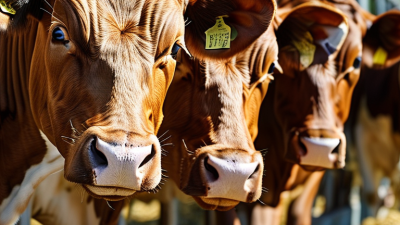
Poultry farms commonly use pan, tube, chain, and automatic trough feeders. These systems control feed height and reduce spillage inside crowded houses. Swine operations often select dry feeders, wet-dry feeders, and stainless-steel troughs. Their openings must resist biting and remain easy to wash. Cattle facilities use bunk feeders, self-locking feed barriers, and mobile mixer wagons. Aquaculture suppliers produce timed dispensers, demand feeders, and solar-assisted floating units. Pet feeder factories focus on gravity hoppers, portion-control devices, and programmable dispensers.

Materials vary by application. Galvanized steel suits larger livestock equipment, while food-grade plastic helps reduce corrosion and weight. The Chinese Feed Industry Association reported industrial feed output above 320 million tons in 2023, showing strong domestic demand for feeding equipment. Still, specifications can be unclear. A feeder advertised as “automatic” may only use a motorized timer. Buyers should check calibration accuracy, cleaning access, spare parts, and feed compatibility. That practical review is often more useful than a polished catalog.

What Are China Top Animal Feeder Manufacturers? - What Types of Animal Feeders Do Chinese Manufacturers Produce?

Feeder Type Primary Animal Common Materials Typical Feeding Method Common Design Features Typical Farm Use
Poultry Pan Feeder Broilers, layers, breeders Polypropylene, polyethylene, galvanized steel Automatic feed-line or manual filling Adjustable feed level, anti-waste grill, easy cleaning Commercial poultry houses
Poultry Trough Feeder Chickens, ducks, geese PVC, galvanized steel, coated metal Manual or linear distribution Long feeding surface, raised support, detachable sections Small and medium poultry farms
Pig Dry Feeder Piglets, growers, finishing pigs 304 stainless steel, galvanized steel, engineering plastic Dry feed from a hopper into a trough Feed-flow adjustment, rounded edges, corrosion resistance Intensive pig housing
Pig Wet-and-Dry Feeder Weaned and growing pigs Stainless steel, plastic components, galvanized supports Dry feed combined with water at the trough Separate water inlet, low-spillage bowl, adjustable outlet Modern piglet and grower systems
Cattle Feed Trough Dairy cattle, beef cattle, calves Concrete, galvanized steel, stainless steel, HDPE Manual loading or feed-wagon distribution Heavy-duty construction, smooth interior, drainage options Barns, feedlots, and dairy facilities
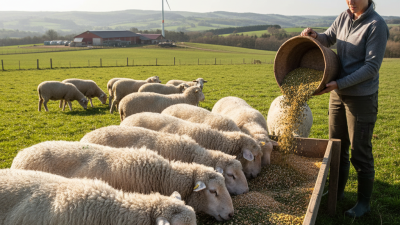
Sheep and Goat Feeder Sheep, goats, lambs, kids Galvanized steel, painted steel, HDPE, timber components Manual feeding of hay, pellets, or grain Hay rack, narrow openings, elevated structure, low waste Pasture shelters and small ruminant barns
Calf Milk Feeder Dairy calves and young cattle Food-grade plastic, rubber nipples, stainless hardware Bottle, bucket, or multi-nipple station Replaceable nipples, graduated container, easy sanitation Calf-rearing units
Aquaculture Feed Dispenser Fish, shrimp, and ornamental aquatic animals ABS plastic, stainless steel, waterproof electronic housing Timed or demand-based pellet release Programmable schedule, adjustable dosage, weather-resistant housing Ponds, tanks, cages, and recirculating systems
Pet Food Bowl and Hopper Dogs, cats, rabbits, and small pets Stainless steel, ceramic, BPA-free plastic Manual filling or gravity-fed dispensing Non-slip base, removable bowl, portion or gravity control Households, kennels, and pet-care facilities
Automatic Feed-Line System Poultry and swine Galvanized steel, PVC, polymer components Motor-driven auger or chain conveyor Hoppers, drive units, sensors, feed pans, and control panels Large-scale livestock buildings
Buyer Considerations: Select feeder materials and configurations according to animal age, feed type, farm scale, cleaning requirements, climate, corrosion exposure, and compatibility with existing feeding equipment.

How Can Buyers Evaluate China’s Animal Feeder Suppliers?

Choosing among China’s animal feeder manufacturers requires more than comparing catalog photos. A capable supplier should explain feeder capacity, suitable feed types, cleaning methods, and expected service life. Ask whether the factory makes key parts in-house or relies on multiple subcontractors. Inspect welds, hopper thickness, seals, wiring, and motor noise. Small details often reveal production discipline.

Request a working sample before placing a large order. Test portion accuracy, clogging, moisture resistance, noise, and operation after a power interruption. For two or four weeks, record feeding consistency and cleaning time. Check quality-control records, material traceability, warranty terms, spare-part availability, and realistic lead times. Electrical safety and food-contact requirements may differ by destination, so verify documents with qualified testing bodies. Do not accept certificates as proof without checking their scope and validity.

Tips: Ask for a live factory video, not only edited images. Compare the sample with the mass-production specification. Confirm packaging protection with a drop-test report. Review the contract carefully, including inspection rights and remedies for defects. A low quotation may exclude molds, replacement parts, testing, or shipping charges. Communication speed also matters, but fast replies do not guarantee technical competence. I would remain cautious when a supplier promises perfect accuracy without test data. Even experienced buyers sometimes overlook hopper cleaning or local voltage compatibility. That mistake can become expensive after delivery.