2026 Best Cattle Nutrition Solutions for Global Buyers
The 2026 cattle nutrition market is becoming more demanding, especially for buyers managing herds across different climates and production systems. Feed costs remain important, but consistent performance depends on forage quality, mineral balance, water access, and animal health. A ration that works well in a cool dairy region may fail under heat stress or limited pasture conditions. Conditions vary. Evidence matters.
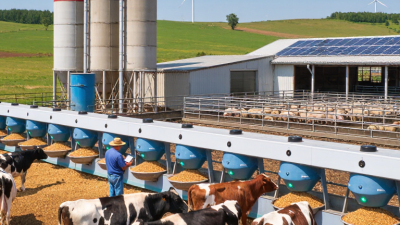
This guide examines practical cattle nutrition solutions for global buyers, including compound feed, protein supplements, mineral premixes, silage additives, and precision feeding tools. It considers how suppliers verify ingredients, control contamination risks, document traceability, and support safe use. Buyers should review laboratory analysis, batch consistency, shelf life, feeding instructions, and compliance with local requirements before making a purchase. A reliable supplier should explain nutrient values clearly and provide technical support from qualified nutritionists or veterinarians. Small details matter, such as moisture levels in silage, the placement of mineral feeders, and daily water cleanliness.
No single formula works everywhere. That assumption is too simple. Breed, age, milk yield, growth targets, forage availability, and transport conditions can change the correct feeding strategy. This overview therefore compares solutions through a practical and evidence-based lens, while recognizing that field results may differ from laboratory expectations. Some products may appear efficient but lack sufficient independent validation. Others may perform well yet require better storage or staff training. Global buyers need balanced judgment, transparent records, and a willingness to adjust rations after monitoring body condition, intake, manure consistency, and production results.
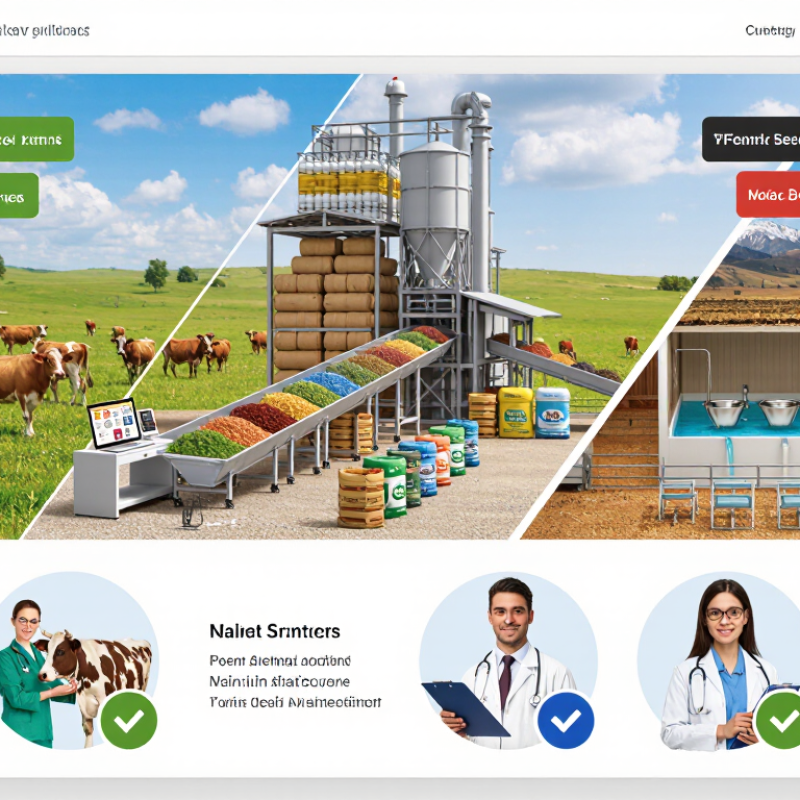
Definition and Role of Cattle Nutrition Solutions
Cattle nutrition solutions are planned systems for supplying animals with suitable nutrients. They combine forage, grains, protein sources, minerals, vitamins, water management, and feeding schedules. The goal is not simply faster growth. It is to match nutrients with age, breed, production stage, climate, and health needs. A dairy cow in early lactation may require more energy and carefully balanced protein than a dry cow. A growing animal needs a different balance. Small details matter.
For global buyers, a reliable solution should begin with feed analysis and farm conditions. Laboratory results can reveal dry matter, protein, fiber, minerals, and possible contamination risks. Qualified nutritionists can then adjust rations using accepted safety standards and local regulations. This process supports rumen function, efficient production, manure management, and more consistent animal condition. Clean water remains essential. No formula works everywhere. Heat, transport, forage quality, storage, and farm equipment can change outcomes.
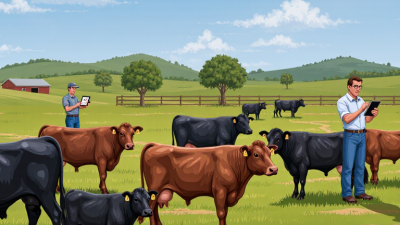
On a working farm, staff may inspect sorting, chewing activity, manure texture, body condition, and feed refusals each day. These observations should support, not replace, laboratory testing and veterinary guidance. Buyers should request clear ingredient specifications, usage instructions, traceability records, and independent quality checks. Evidence matters more than attractive claims. A well-designed ration can still fail when silage warms or delivery times change. That weakness deserves attention. Nutrition planning must remain adjustable, because real farms rarely behave like spreadsheets.
Feed Formulation Strategies for Global Cattle Operations
Feed Formulation Strategies for Global Cattle Operations
Global cattle buyers need rations built for local realities, not copied formulas. Forage quality, water minerals, climate, and market access can change weekly. NASEM’s Nutrient Requirements of Dairy Cattle, Eighth Revised Edition, recommends balancing energy, protein, fiber, minerals, and intake together. A cheaper ration may reduce performance when digestibility is ignored.
Start with tested forage data. Measure dry matter, neutral detergent fiber, crude protein, and mycotoxin risk before purchasing supplements. For a hot operation, increase water access and review potassium, sodium, and dietary energy. Heat stress can reduce intake quickly. Small changes matter.
FAO’s 2023 livestock emissions report estimates livestock agrifood systems produce about 6.2 gigatonnes of CO2-equivalent emissions annually, or roughly 12% of human-caused emissions. Better feed efficiency can lower emissions per kilogram of milk or beef, but results depend on farm conditions. Methane additives may help in suitable systems, yet availability, regulation, and adoption costs require careful verification.
Keep the process flexible. Monthly ration reviews are safer than annual assumptions. Regional ingredients can improve resilience, although nutrient variation creates risk. I would recheck every new batch.
The numbers are imperfect.
Global buyers should request laboratory reports, traceability records, and clear inclusion limits. A practical formulation balances animal health, production targets, environmental performance, and predictable cost.
Sources: FAO, Pathways Towards Lower Emissions, 2023; NASEM, Nutrient Requirements of Dairy Cattle, 8th Revised Edition, 2021.
Evaluation Criteria for Selecting Nutrition Suppliers
Selecting cattle nutrition suppliers requires more than comparing crude protein percentages. Buyers should check nutrient consistency, digestibility data, ingredient traceability, and storage performance. A useful specification lists moisture, fiber, minerals, energy, and permitted additives clearly. It should also explain testing frequency and acceptable variation between batches. Small differences matter. A dusty bag or uneven pellet can affect intake before laboratory results appear.
Supplier evidence deserves equal attention. Ask for independent laboratory reports, feeding-trial designs, and results from cattle raised in similar climates. Production claims should include sample size, trial length, and measurable outcomes, such as average daily gain, feed conversion, or milk yield. The OECD-FAO Agricultural Outlook 2024-2033 highlights continuing growth in global livestock production, increasing the need for efficient and dependable feed systems. However, one regional trial cannot prove universal performance. That limitation should be stated openly.
Environmental and operational criteria also influence purchasing decisions. FAO’s 2023 report, Pathways Towards Lower Emissions, estimates livestock agrifood systems produce about 6.2 gigatonnes of CO2 equivalent annually, or roughly 12% of human-induced emissions. Suppliers should therefore provide evidence on feed efficiency, responsible sourcing, and packaging waste. Buyers should verify delivery capacity, lot traceability, recall procedures, and local regulatory compliance. Price remains important, but the cheapest formula may create hidden costs through poor intake or inconsistent results. I would still challenge any supplier offering perfect outcomes. Biology is rarely that tidy. Suppliers that disclose weaknesses often deserve closer evaluation.
Emerging Trends in Cattle Nutrition for 2026
In 2026, cattle nutrition will move toward precision feeding and measurable farm results. Rations will increasingly reflect breed, age, milk yield, climate, and forage quality. Portable forage tests can reveal dry matter, protein, fiber, and mineral variation within hours. That information helps nutritionists adjust diets before performance declines. Small changes matter.
Digital monitoring will also influence feed decisions. Sensors can track eating time, rumination, body temperature, and daily movement. These signals may identify heat stress or digestive problems earlier than visual checks. However, data quality remains uneven. A sensor cannot replace experienced observation, veterinary advice, or regular feed analysis.
Climate pressure will encourage more resilient ingredients and lower-waste feeding systems. Buyers may seek digestible fiber, protected nutrients, regional by-products, and mineral blends suited to local soils. Methane-reduction strategies will receive greater attention, but results depend on dosage, forage, animal health, and farm management. Claims should be supported by transparent trials, not attractive promises. Global purchasers will likely request traceability, contaminant testing, storage guidance, and evidence of consistent nutrient levels. Some recommendations may fail under different weather or forage conditions. That limitation deserves honest reporting.