Choosing the right performance livestock feed starts with the animal, not the product label. Breed, age, body weight, workload, pregnancy, and production goals all influence nutritional needs. A growing lamb requires a different balance than a lactating dairy cow. Small differences matter.
A reliable evaluation examines protein quality, energy density, fiber, minerals, vitamins, and feed digestibility. It also considers forage quality, clean water access, and daily intake. A feed may appear impressive on paper but perform poorly when animals refuse it or when storage causes moisture damage. Check the ingredient list, guaranteed analysis, batch information, and feeding instructions. When possible, compare these details with advice from a qualified livestock nutritionist or veterinarian.
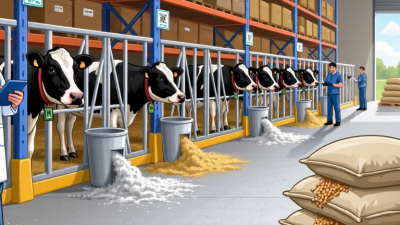
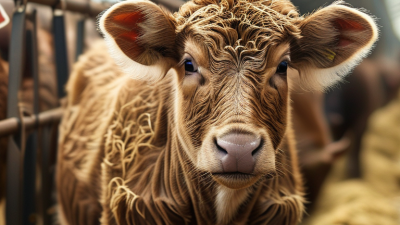
Watch the animals closely. Coat condition, appetite, manure consistency, growth records, milk yield, and body condition can reveal whether the ration works. Change feeds gradually, especially after transport, weather stress, or illness. Keep written records instead of relying on memory. That is often where mistakes begin.
No feed is perfect. A higher protein formula may be wasteful when forage already supplies sufficient protein. A cheaper product may create hidden costs through slower growth or poor feed conversion. Farm conditions also change, so yesterday’s successful ration may need adjustment today. Use laboratory forage analysis when available, review results regularly, and make decisions based on measured performance rather than confident advertising. Safety, traceability, and consistent manufacturing should remain central to every choice.
High-performance livestock feed is a carefully balanced ration designed to support measurable animal performance. Its purpose is not simply to provide more calories. It must supply suitable energy, digestible protein, fiber, vitamins, minerals, and clean water. The correct balance depends on species, age, body weight, health, and production stage. A growing lamb needs a different nutrient profile from a laying hen or a dairy cow.
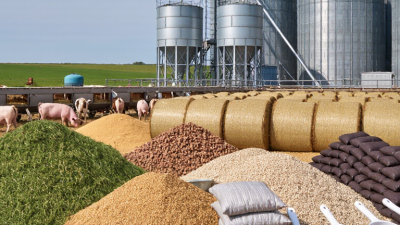
Good feed supports steady growth, efficient muscle development, reproductive health, milk or egg production, and immune function. It should also protect digestion. Excessive starch may increase digestive problems, while insufficient fiber can reduce normal rumen activity in cattle and sheep. Ingredient quality matters. Feed should be fresh, dry, correctly stored, and free from visible mold, unusual odors, or contamination. Small details matter.
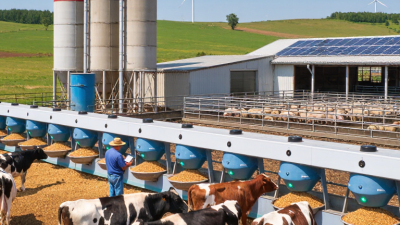
A practical evaluation should compare feed intake with weight gain, body condition, manure consistency, and production records. Work with a qualified livestock nutritionist or veterinarian when changing a ration. Change gradually, not overnight. A perfect ration does not exist. Even a well-formulated feed may perform poorly if animals lack water, shade, or comfortable housing. This is where judgment becomes important. Keep records for several weeks, question unexpected results, and adjust only when the evidence supports a change.
| Feed Program | Primary Animals and Stage | Typical Crude Protein (% of Dry Matter) |
Typical Energy Target | Important Fiber or Nutrient Consideration | Primary Purpose | Quality Indicators for Selection |
|---|---|---|---|---|---|---|
| Dairy Lactation Feed | Lactating dairy cattle, especially early and peak lactation | Approximately 16–18% | High-energy ration; commonly about 1.55–1.70 Mcal of net energy for lactation per kg of dry matter, depending on production level | Adequate effective fiber is essential for rumination and rumen health; ration starch should be controlled to reduce acidosis risk | Support milk yield, body condition, fertility, and stable rumen function | Balanced protein, fermentable energy, minerals, sufficient physically effective fiber, clean ingredients, and consistent particle size |
| Beef Growing and Finishing Feed | Growing cattle and finishing beef cattle | Approximately 12–15% | Moderate to high energy; finishing diets often target about 1.30–1.55 Mcal of net energy for gain per kg of dry matter | Fiber must be sufficient for rumen function while allowing adequate energy density for efficient gain | Improve average daily gain, feed conversion, carcass quality, and finishing consistency | Reliable energy supply, balanced degradable and undegradable protein, gradual diet adaptation, and low levels of mold or fines |
| Sheep and Goat Growth Feed | Growing lambs, kids, replacement animals, and late-pregnancy females | Approximately 14–18% | Moderate to high energy, adjusted for growth rate, pregnancy, or lactation | Maintain adequate roughage; mineral balance should account for species sensitivity, including careful copper management in sheep | Promote lean growth, reproductive performance, milk production, and healthy rumen development | Species-appropriate mineral formulation, adequate protein quality, palatable ingredients, and controlled dust and contamination |
| Swine Grower-Finisher Feed | Growing and finishing pigs from approximately 25 kg to market weight | Approximately 15–19%, depending on body weight and diet phase | High digestible energy; commonly about 13.5–14.5 MJ of digestible energy per kg of feed | Digestible amino acids, particularly lysine, are more useful for formulation than crude protein alone; fiber should match the production objective | Maximize lean gain, feed efficiency, uniformity, and healthy market weight | Digestible amino-acid balance, accurate energy values, low mycotoxin risk, good pellet quality, and minimal feed wastage |
| Broiler Starter Feed | Broiler chicks during the first weeks of life | Approximately 21–23% | High energy; commonly about 2,850–3,050 kcal of metabolizable energy per kg of feed | Amino-acid density, digestibility, and particle size are critical because young birds consume limited quantities | Support rapid early growth, skeletal development, immunity, and uniform flock performance | Highly digestible ingredients, balanced essential amino acids, suitable particle size, fresh odor, and low contamination risk |
| Layer Maintenance and Production Feed | Laying hens during egg production | Approximately 16–18% | Typically about 2,650–2,850 kcal of metabolizable energy per kg of feed | Calcium, available phosphorus, and vitamin D are central to eggshell quality and skeletal health | Maintain egg production, shell strength, body condition, and flock longevity | Correct calcium particle size, balanced phosphorus, adequate amino acids, uniform mixing, and clean storage |
| Youngstock and Replacement Feed | Calves, heifers, replacement gilts, and replacement poultry | Approximately 16–22%, depending on species and age | Moderate to high energy, carefully controlled to support healthy structural growth | Protein quality, minerals, vitamins, and digestibility are more important than simply increasing feed quantity | Build a strong frame, functional digestive system, sound immunity, and future reproductive capacity | Age-specific formulation, safe mineral levels, consistent intake, low spoilage risk, and measurable growth targets |
| Universal High-Performance Feed Checklist | All livestock species and production systems | No single protein percentage fits every animal; requirements should be matched to species, age, body weight, and output | Use energy values appropriate to the species, such as ME for poultry and DE for pigs or NEm/NEg for ruminants | Evaluate digestible amino acids, effective fiber, minerals, vitamins, water availability, and ingredient variability | Convert nutrients into safe, efficient production while protecting health, welfare, and product quality | Choose feeds supported by a complete label, laboratory analysis, traceable ingredients, proper storage, consistent batch quality, and professional ration review |