2026 Top Deer Protein Powder Manufacturers Worldwide?

The 2026 Top Deer Protein Powder Manufacturers Worldwide deserve careful evaluation beyond attractive packaging and bold nutrition claims. This guide examines producers through sourcing, processing, testing, certifications, and customer transparency. It focuses on lawful, traceable ingredients from approved supply chains. Deer protein should be handled with the same care as any specialized nutritional ingredient.

During research, practical details matter. A reliable manufacturer can explain where its raw materials originate, how batches are processed, and which laboratories verify purity. Certificates of analysis should identify protein content, microbiological results, heavy metals, allergens, and production dates. Clear labels also help buyers compare serving sizes, flavors, additives, and storage instructions. Factory audits, quality systems, and responsive documentation provide stronger evidence than marketing language alone.

No ranking is perfect. Public information differs widely between regions, and some manufacturers disclose more than others. That limitation deserves attention. This overview therefore considers documented performance rather than reputation alone. It also recognizes regional regulations, import requirements, and differences in consumer expectations. Experienced buyers may value formulation flexibility, while retailers may prioritize stable supply and private-label support. Health professionals may focus more closely on testing methods and evidence for product claims. The strongest companies usually combine technical discipline with honest communication. That combination builds trust over time. Each manufacturer should still be verified independently before commercial cooperation, especially when claims, certifications, or sourcing details appear incomplete.
2026 Top Deer Protein Powder Manufacturers Worldwide?

Deer Protein Powder: Definition, Sources, and Key Nutritional Features

Deer Protein Powder: Definition, Sources, and Key Nutritional Features

Deer protein powder is a dried, processed ingredient made from selected deer tissues. It is not one standardized product worldwide. The source tissue matters greatly. Muscle-derived powder usually supplies complete animal protein with essential amino acids. Antler or connective-tissue powder may contain more collagen-related proteins and minerals. These products should not be treated as nutritionally identical.

Manufacturers may use farmed deer, responsibly sourced animals, or specific tissues such as venison, antler velvet, tendons, and hides. Processing can include drying, milling, enzymatic hydrolysis, or filtration. Each method changes taste, solubility, protein structure, and nutrient retention. Some powders dissolve smoothly in water. Others leave a gritty texture and a strong earthy aroma.

Protein content, amino-acid composition, moisture, fat, and mineral levels should appear in reliable laboratory reports. Testing should also address microbes, heavy metals, pesticides, and undeclared ingredients.

Traceability is important, from animal origin to sealed packaging. Manufacturing facilities should follow documented hygiene systems and applicable food regulations.

The evidence is uneven. That matters. Claims about muscle recovery, joints, or immunity require careful interpretation and should not replace medical advice. Buyers and manufacturers should compare independent testing, tissue origin, batch consistency, and clear labeling. A higher protein percentage does not automatically mean better quality. Flavor, digestibility, and consumer tolerance can vary widely. Some product descriptions remain vague, which makes meaningful comparison difficult.


How Deer Protein Powder Is Produced and Quality Tested

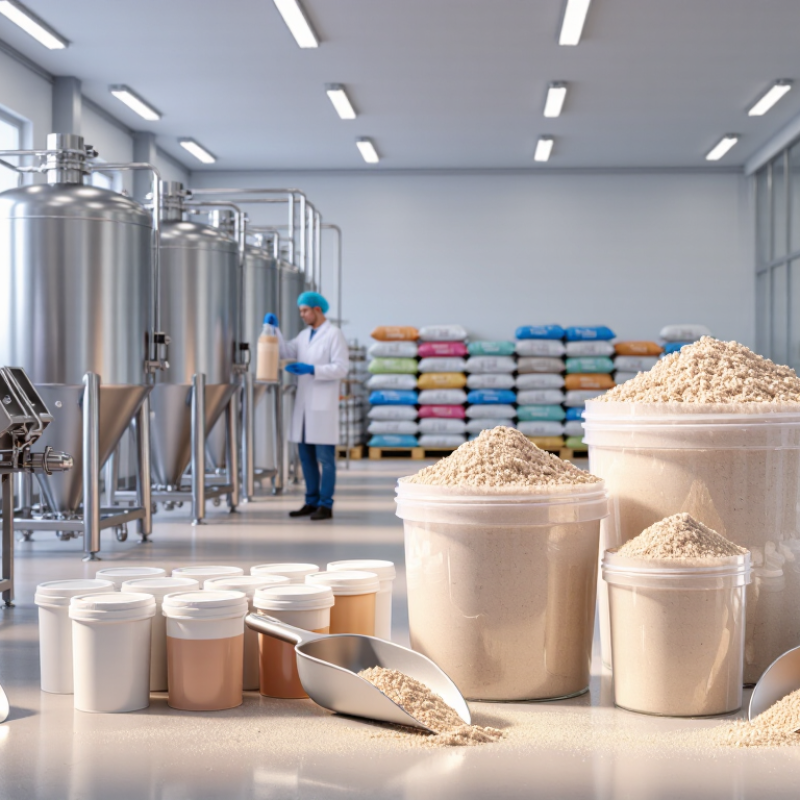
Deer protein powder begins with documented raw material, not a glossy label. Producers record the animal source, harvest date, tissue type, temperature history, and transport conditions. Lean tissue is trimmed, chilled, inspected, and dehydrated under controlled airflow. Some facilities then mill it into powder; others use enzymatic hydrolysis for easier digestion. Processing temperatures must reduce microbial risk without damaging sensitive amino acids. That balance is not always perfect.

Quality testing follows recognized laboratory methods. AOAC Official Method 992.15 can measure crude protein through nitrogen analysis, while moisture testing helps control clumping and shelf-life loss. Many laboratories use ISO 6579-1 for Salmonella detection and ISO 21527-2 for yeast and mold enumeration. Heavy metals, pesticide residues, and veterinary-drug residues require validated instrumental methods, often using ICP-MS or LC-MS/MS. The FAO and WHO repeatedly identify traceability and hygienic control as essential points in animal-derived food production.

Every production lot should receive a certificate of analysis showing protein percentage, moisture, microbial results, and batch identity. A practical internal target may keep moisture below 5%, but specifications differ by process and regulation. DNA or species-authentication testing can help verify deer origin when supply chains are complex. Still, one laboratory result cannot prove total safety. Sampling can miss uneven contamination. That weakness deserves attention. Independent testing, sealed retention samples, calibrated equipment, and ISO 22000-based procedures provide stronger evidence than marketing claims.

Leading Deer Protein Powder Manufacturers Worldwide in 2026

Leading Deer Protein Powder Manufacturers Worldwide in 2026

The leading deer protein powder manufacturers worldwide in 2026 will be judged by transparency, not attractive packaging. Reliable producers should disclose deer origin, processing sites, batch numbers, and storage conditions. Traceable sourcing matters. It helps buyers verify each production stage, from inspected farms to sealed containers. Manufacturers should also provide independent laboratory results for protein content, heavy metals, microbes, and undeclared additives. These checks support safer purchasing and demonstrate technical responsibility.

A strong manufacturer usually operates documented quality systems, such as GMP-based procedures and controlled allergen management. However, certificates alone prove little. Buyers should examine issue dates, testing scopes, and whether documents match the exact product. Product specifications should explain protein concentration, moisture levels, serving size, and recommended storage. Clear labels reduce confusion across international markets. Some suppliers still use broad “premium” claims without useful evidence. That weakness deserves attention.

Tips: Request a recent certificate of analysis for every batch. Check whether the laboratory is independent and properly accredited. Compare the powder’s odor, color, texture, and solubility during sample evaluation. Keep samples sealed and record changes over time. Manufacturers that answer technical questions quickly often show better operational discipline, although communication is not proof of quality. Consider regional regulations before importing, because permitted ingredients and labeling rules can differ significantly.

Comparing Manufacturers by Standards, Formulas, and Market Reach

2026 Top Deer Protein Powder Manufacturers Worldwide?

Comparing manufacturers requires more than checking production volume or export claims. Standards show how consistently a factory controls risk. Look for current GMP, HACCP, or ISO 22000 systems. Independent batch testing should cover protein content, heavy metals, microbes, and undeclared allergens. Traceability matters too. Each lot should connect to a documented source and production date.

Formula quality deserves closer attention. A reliable manufacturer explains the deer protein source, processing method, and amino acid profile. Hydrolyzed powder may dissolve faster, but it can taste sharper and cost more. Check sweeteners, flavors, carriers, and allergen controls. Some formulas look clean on paper. They perform poorly in cold water. Small pilot samples reveal more than polished brochures.

Market reach can indicate operational strength, but it is not proof of quality. Manufacturers serving several regions should provide stable packaging, customs documents, shelf-life data, and responsive technical support. Regional compliance still varies, so one certificate may not satisfy every buyer. I would compare minimum order quantities, lead times, and recall procedures before signing. No scoring model is perfect. A supplier may have excellent facilities yet weak communication. Another may offer a clever formula but limited testing records. That uncomfortable gap deserves attention.

2026 Top Deer Protein Powder Manufacturers Worldwide

This comparison framework evaluates manufacturers by internationally recognized food-safety practices, formula transparency, quality testing, traceability, and market reach. It is an industry assessment model rather than a ranking of named companies.

How to read the chart: Each category is scored on a 0–100 evaluation scale. Quality and compliance indicators receive the greatest emphasis because GMP, HACCP, ISO 22000, batch testing, and traceability are core requirements for responsible supplement manufacturing. Market reach reflects the ability to support international distribution and regulatory documentation.

How to Evaluate a Reliable Deer Protein Powder Supplier

Choosing among deer protein powder manufacturers worldwide requires more than comparing price or website design. A reliable supplier should provide a clear production address, legal business details, and documented supply-chain records. Ask where the deer material originates, how it is processed, and whether each batch has a traceable identification code. Request a recent certificate of analysis. It should cover protein content, moisture, microbiological limits, heavy metals, and undeclared allergens. Independent laboratory testing adds credibility. So does a verifiable quality system, such as GMP or ISO-based controls.

Inspect the sample carefully. Check its color, odor, solubility, packaging seal, and lot information. Ask for storage conditions and shelf-life evidence, not only a printed expiry date. A dependable manufacturer explains its cleaning, drying, and contamination-control procedures in plain language. Communication matters too. Slow replies, vague answers, or changing specifications deserve caution. A polished website is not proof. A practical mistake is trusting a low quotation before reviewing testing costs and minimum order requirements. I would compare at least three suppliers using the same checklist. Even then, small gaps may remain, especially when overseas documents are translated poorly. Request original records, confirm them with the issuing laboratory, and keep written agreements for specifications, packaging, and delivery terms.

2026 Top Deer Protein Powder Manufacturers Worldwide? - How to Evaluate a Reliable Deer Protein Powder Supplier

Evaluation Dimension Recommended Supplier Benchmark Evidence to Request Why It Matters
Food Safety System A current HACCP-based food safety program and certification to a recognized system such as ISO 22000 or FSSC 22000. Valid certificate, certification scope, issuing body, audit date, and expiration date. Demonstrates documented hazard analysis, preventive controls, corrective actions, and management oversight.
Good Manufacturing Practice Manufacturing controls appropriate for food or dietary-supplement ingredients, including sanitation, allergen control, pest control, and personnel hygiene. Recent GMP audit report, sanitation records, environmental-monitoring summary, and corrective-action history. Reduces the risk of contamination, mix-ups, and inconsistent production.
Product Identity The specification clearly identifies the deer-derived raw material, processing method, intended use, and any added carriers or excipients. Product specification, manufacturing flow chart, ingredient statement, and country-of-origin declaration. Confirms that the supplied powder matches the buyer’s technical and labeling requirements.
Protein Assay A defined protein-testing method and a batch-specific result reported against an agreed specification. The target should be set according to the product format and intended application. Certificate of Analysis showing the test method, result, specification, units, and laboratory identity. Prevents misleading comparisons caused by different test methods or moisture bases.
Microbiological Quality Routine testing for total aerobic count, yeast and mold, and relevant pathogens such as Salmonella and Escherichia coli, with limits agreed before purchase. Recent lot-specific microbiology report from an independent or qualified internal laboratory. Verifies hygienic processing and helps meet destination-market safety requirements.
Contaminant Control A documented testing plan for heavy metals, pesticide residues, veterinary-drug residues where applicable, and other contaminants relevant to the raw material. COA results, analytical methods, detection limits, and laboratory accreditation details. Supports regulatory compliance and verifies that contamination risks are actively managed.
Laboratory Competence Critical analyses performed by a laboratory accredited to ISO/IEC 17025 or by a qualified laboratory using validated methods. Laboratory accreditation certificate and the scope covering the reported tests. Improves confidence in the accuracy, repeatability, and traceability of test results.
Traceability Each finished-product lot can be traced to production records, incoming raw materials, packaging materials, and distribution records. Sample traceability exercise, lot-number format, recall procedure, and mock-recall results. Enables rapid investigation and targeted withdrawal if a quality issue occurs.
Stability and Shelf Life Shelf life supported by real-time or justified accelerated stability data under defined packaging and storage conditions. Stability protocol, storage conditions, test intervals, packaging specification, and proposed expiry period. Helps ensure the powder remains safe and within specification through its declared shelf life.
Batch Consistency Consecutive production lots meet the same agreed specifications for protein, moisture, microbiology, appearance, odor, and solubility where applicable. COAs from at least three recent lots and retained-sample comparison data. Shows whether the supplier can deliver predictable performance at commercial scale.
Regulatory Documentation Documentation is aligned with the importing country and intended product category, without unsupported health or performance claims. Technical dossier, non-GMO or allergen statement where relevant, export documents, and regulatory declarations. Reduces customs, labeling, and market-entry risks.
Commercial Reliability Clear minimum order quantity, lead time, production capacity, payment terms, packaging options, and change-notification policy. Signed quotation, supply agreement, production schedule, and documented change-control procedure. Helps prevent supply interruptions and unexpected specification changes.
Supplier Qualification Score Prioritize suppliers that pass mandatory safety and regulatory checks before comparing price, capacity, and service. Completed supplier questionnaire, audit scorecard, sample approval, and written corrective-action plan for any gap. Creates a transparent, evidence-based method for selecting a reliable manufacturer without relying on marketing claims alone.

Note: Acceptance limits should be confirmed against the destination country’s regulations, the intended product category, and the buyer’s approved product specification.