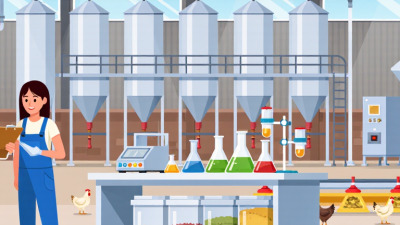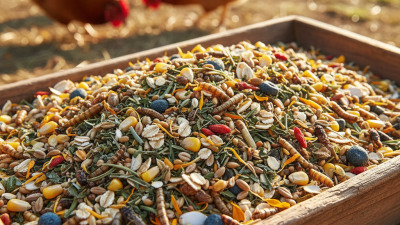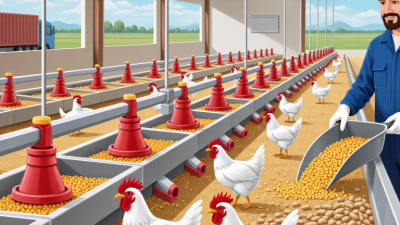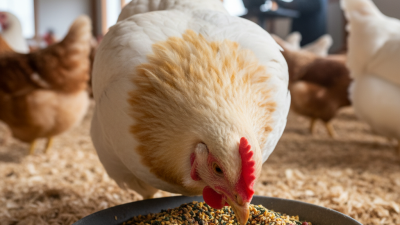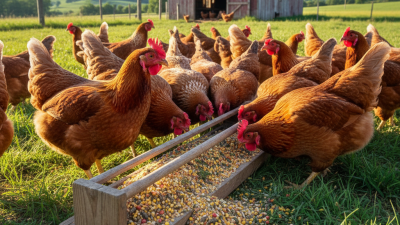
Choosing China top poultry nutrition manufacturers for global buyers requires more than comparing prices or attractive websites. Reliable evaluation begins with the product’s intended use, including broilers, layers, breeders, and young chicks. Each group needs different nutrient balances, feeding stages, and production goals. A practical buyer should inspect formulation expertise, raw material controls, laboratory capacity, and technical support.
Look for manufacturers that provide clear specifications, batch-level certificates of analysis, traceability records, and documented quality procedures. Details matter. Can the supplier explain vitamin stability during storage? Does the plant separate incoming materials from finished premixes? Are production records available for review? These questions reveal operational maturity. Independent testing may also confirm nutrient values, microbiological safety, and compliance with destination-market requirements.
This guide compares leading Chinese poultry nutrition manufacturers through a global purchasing lens. It considers product range, customization, export experience, communication, packaging, and after-sales support. A strong supplier should understand practical farm challenges, from uneven flock growth to heat-stressed birds and changing feed ingredients. Yet no shortlist is flawless. Some company claims require careful verification. Certifications can expire, and impressive brochures cannot replace consistent batch performance. Buyers should request recent documents, reference customers, sample evaluations, and transparent commercial terms before making a decision. Small details often decide long-term success. The best partnership combines scientific formulation with dependable communication and realistic expectations. It should also leave room for review, because poultry nutrition programs may need adjustment after field results, seasonal changes, or new regulatory requirements.
China Top Poultry Nutrition Manufacturers for Global Buyers?
China’s poultry nutrition manufacturing industry operates at considerable scale. The China Feed Industry Association reported 321.63 million tonnes of industrial feed production in 2023. Alltech’s 2024 Agri-Food Outlook estimated China’s feed output at about 262.7 million tonnes. The difference matters. These reports use different survey methods and product definitions.
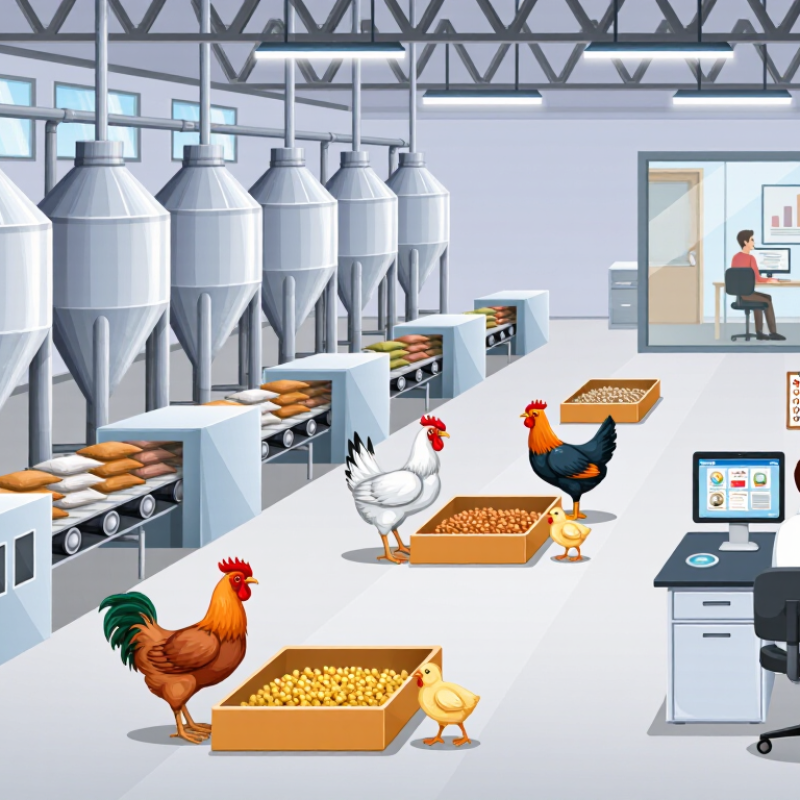
Poultry nutrition factories now supply premixes, mineral blends, enzymes, amino acids, and complete feed solutions. Strong producers usually maintain laboratory testing, batch records, and controlled raw-material storage. A practical audit should inspect more than certificates. Ask for recent testing results, stability data, and procedures for handling moisture-sensitive ingredients. In a warehouse, poor sealing can quietly reduce nutrient value. That detail is easy to miss.
Tips: Compare specifications, not only prices. Request samples from different production batches. Check whether nutrient values remain stable during transport. Confirm traceability from ingredient lot to finished product. Also review compliance with destination-market rules, since Chinese and overseas requirements may differ. The Food and Agriculture Organization emphasizes feed safety, traceability, and risk-based control across the supply chain. Buyers should still remain cautious. A polished factory visit does not prove consistent long-term performance. Supplier evaluation needs repeated evidence, independent testing, and honest discussion of weak points.
| Product Segment | Typical Active Components | Indicative Inclusion Range1 | Main Poultry Applications | Key Buyer Quality Checks | Common Export Forms |
|---|---|---|---|---|---|
| Vitamin and Mineral Premixes | Fat-soluble vitamins, water-soluble vitamins, macro-minerals and trace minerals | 1–5 kg/t of complete feed | Broilers, layers, breeders and pullets; growth, eggshell quality and reproductive performance | Assay against specification, homogeneity, moisture, heavy metals, microbiological limits and stability during storage | Powder premix, customized multi-stage formulation and water-soluble powder |
| Amino Acid Products | L-lysine, DL-methionine, L-threonine, L-tryptophan and valine | About 0.03–0.80% of complete feed, depending on product and diet | Protein balancing, feed efficiency, lean growth and egg mass production | Active assay, purity, free-flowing properties, moisture, chloride or sodium content where applicable, and contaminant screening | Crystalline powder, granules and moisture-resistant bags |
| Feed Enzymes | Phytase, xylanase, beta-glucanase, amylase, protease and cellulase | Approximately 50–500 g/t; specify activity units rather than weight alone | Phosphorus release, reduction of non-starch polysaccharides and improved nutrient digestibility | Declared enzyme activity, thermal stability, pH profile, carrier composition, shelf-life retention and absence of unwanted microorganisms | Coated powder, granules, liquid concentrate and thermostable formulations |
| Probiotics and Direct-Fed Microbials | Selected strains of Bacillus, lactic acid bacteria, yeast and other permitted microorganisms | Typically 0.1–1.0 kg/t, according to guaranteed viable count | Gut microbial balance, litter management, digestive support and post-antibiotic programs | Strain identification, viable count at release and expiry, contamination controls, storage temperature and compatibility with pelleting | Freeze-dried powder, spore-based powder, granules and liquid preparations |
| Organic Acids and Acidifiers | Formic, propionic, lactic, fumaric, citric and sorbic acids, often in buffered blends | Approximately 1–5 kg/t of complete feed or as directed for drinking water | Feed preservation, pH management, feed hygiene and digestive support | Declared acid content, pH, corrosiveness, moisture, carrier safety, homogeneity and packaging resistance | Liquid concentrates, buffered powder, coated granules and water-soluble blends |
| Mycotoxin Risk-Management Products | Mineral adsorbents, yeast cell-wall fractions, enzymes and multi-component binders | Approximately 0.5–2.0 kg/t, depending on risk and formulation | Support during exposure to aflatoxin, deoxynivalenol, zearalenone and other feed-contaminant risks | In-vitro binding data, contaminant limits, dioxins, heavy metals, moisture, flowability and nutrient-interaction testing | Powder, granules and premix-compatible blends |
| Phytogenic Feed Additives | Standardized botanical extracts, essential oils, saponins, flavonoids and tannins | Usually 0.1–0.5 kg/t, based on active concentration | Feed intake, intestinal support, antioxidant programs and reduced reliance on antibiotic growth-promoter strategies | Botanical identity, marker-compound assay, pesticide residues, solvent residues, microbial safety and batch-to-batch consistency | Microencapsulated powder, coated granules, liquid extract and standardized premix |
| Electrolyte and Stress-Support Blends | Sodium, potassium, chloride, bicarbonate, glucose, vitamin C and selected amino acids | About 0.5–3.0 kg/t in feed or dosage-specific use in drinking water | Heat stress, transportation, vaccination periods, dehydration and recovery programs | Electrolyte balance, solubility, pH, moisture, caking resistance and compatibility with water systems | Water-soluble powder, sachets, bulk bags and feed-grade granules |
Buyer-oriented manufacturing indicators: Qualified suppliers commonly provide batch traceability, product specifications, certificates of analysis, shelf-life data, allergen or GMO statements where relevant, contaminant testing, export documentation and technical dosage support. Buyers should confirm that the product is permitted in the destination market and complies with applicable feed-additive and feed-hygiene regulations.
1 Inclusion ranges are indicative commercial ranges used for initial comparison only. Final dosage depends on active concentration, bird species, production stage, diet composition, local regulations and the supplier’s validated technical recommendation. All values should be confirmed through the product specification and certificate of analysis before purchase.