How to Choose the Best Goat Food for Optimal Health and Growth?
Choosing the right goat food is crucial for the optimal health and growth of goats. According to the American Association of Small Ruminant Practitioners, a well-balanced diet can improve weight gain by up to 30%. Providing the essential nutrients helps in their productivity and general wellbeing. Industry expert Dr. Jane Smith, a leading veterinary nutritionist, emphasizes that “quality goat food directly influences milk production and overall health.”
Goats require a blend of protein, fiber, and minerals in their diet to thrive. A high-quality goat food helps maintain their digestive health while supporting their immune system. However, many owners overlook the specific dietary needs of different goat breeds. This can lead to health issues such as obesity or nutritional deficiencies.
Moreover, economic factors can impact the availability of premium goat food. Some may resort to lower-quality options, thinking they save money, but the long-term consequences can be dire. Understanding how to choose the best goat food makes all the difference. It’s essential to assess your goats’ specific requirements and invest wisely in their nutrition for optimal growth.
Understanding the Nutritional Needs of Goats
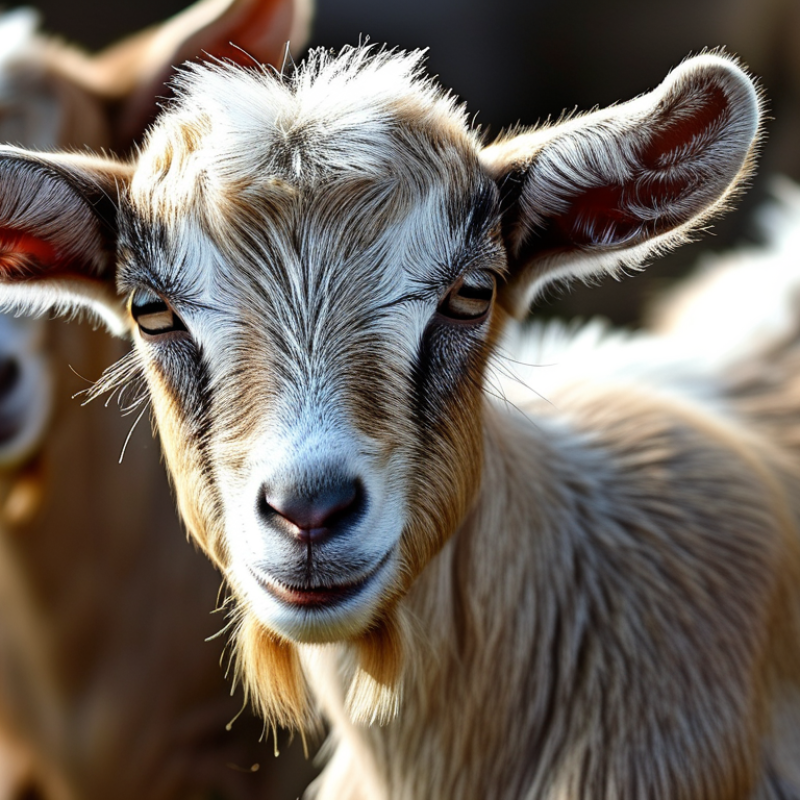
When considering goat nutrition, understanding their specific needs is vital. Goats require a balanced diet for optimal growth and health. Their diet should include proteins, carbohydrates, vitamins, and minerals. For growing kids, higher protein levels are essential. This promotes muscle development and overall growth.
Fiber is crucial for goats, as it aids in digestion. They thrive on hay, pasture, and browse. However, many owners overlook the quality of forage. Poor quality hay can lead to digestive issues. Goats are selective grazers, so offering a variety of plants is helpful. Fresh, clean water is equally important for their overall health.
Minerals play a key role in goat nutrition. A mineral block can provide the essential nutrients they need. Common deficiencies include iodine and selenium. Regularly assessing their diet and making adjustments is necessary for long-term health. Monitoring their body condition is also vital. Be aware of any changes in their appetite or behavior, as these may indicate nutritional imbalances.
How to Choose the Best Goat Food for Optimal Health and Growth?
| Nutritional Component |
Recommended Amount |
Benefits |
| Protein |
12-16% |
Supports muscle growth and overall health. |
| Fiber |
25-30% |
Aids in digestion and prevents bloat. |
| Fat |
3-5% |
Provides energy and supports reproductive health. |
| Vitamins |
Varies |
Essential for immune function and metabolic processes. |
| Minerals |
Varies |
Important for bone health and enzymatic functions. |
Types of Goat Food: Grains, Hay, and Supplements
When considering the best goat food, understanding the types available is crucial. Goats are ruminants and require a balanced diet for optimal health and growth. The primary components of goat food include grains, hay, and supplements. Each type has its unique benefits and potential drawbacks.
Grains like corn and oats provide energy. However, relying too much on grains can lead to obesity. According to a 2021 study published in the "Journal of Animal Science," a diet high in grains can increase the risk of metabolic disorders in goats. Therefore, moderation is key. Meanwhile, hay is essential for fiber. It aids in digestion and prevents health issues. Quality forage ensures goats have enough roughage, promoting healthy rumen function.
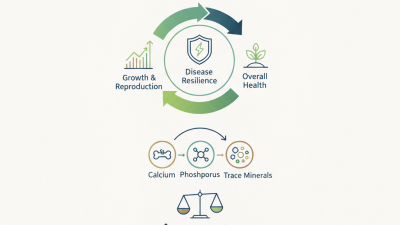
Supplements can fill nutritional gaps in a goat’s diet. Minerals like calcium and phosphorus are vital for bone health. Research indicates that roughly 40% of goats may lack essential minerals without proper supplementation. While supplements enhance health, they cannot replace a balanced diet. It’s essential to strike the right balance. Regularly assessing goats' health can lead to better dietary decisions. Reflecting on feeding practices can help identify areas for improvement.
Types of Goat Food and Their Nutritional Value
Assessing Quality: How to Choose Premium Goat Feed
When selecting premium goat feed, focus on assessing its quality. Look for feed that contains nutrient-rich ingredients. High-quality hay, grains, and legumes should be the main components. These ingredients provide essential vitamins and minerals. Fiber is particularly important for a goat's digestive health. Without sufficient fiber, goats may suffer from digestive issues.
Consider consulting with a livestock nutritionist. Their expertise can guide you in understanding the specific needs of your goats. Not all goats require the same diet. Age, breed, and purpose of raising them can influence nutritional needs. Additionally, always check the feed's ingredient list. Avoid feeds with fillers or low-quality components, as these can hinder growth and health.
Quality goat feed should be free from mold and contaminants. Regularly inspect your feed storage to prevent spoilage. Even the best feeds can lose nutritional value if not stored properly. Investing in quality feed pays off in healthier, more productive goats. A balanced diet leads to optimal growth and overall well-being. Reflect on your current feed choices frequently. Small adjustments can lead to significant improvements.
Monitoring Your Goat's Health and Growth Through Diet
Monitoring your goat’s health and growth primarily hinges on their diet. To ensure optimal growth, consider
nutritional balance. Goats require specific vitamins and minerals to thrive. A shortfall in nutrients can lead to
stunted growth or health issues. Regular observation is critical. Look for signs like
weight changes, coat condition, and energy levels.
Dietary changes should be gradual. Introduce new foods slowly to avoid digestive upset. It’s helpful to keep a log of food intake and any reactions.
This can highlight patterns and make adjustments easier. Regularly check your goats for symptoms of deficiency or overnutrition. A goat with a
shiny coat often signals good health.
Frequent health assessments help identify growth concerns early. Watch for lethargy or poor appetite as warning signs. These issues
might stem from diet inadequacies. It’s important to reflect on feeding practices continuously. Learning from each goat's response to a diet can guide
better feeding strategies for the future. Adjusting feed based on observations ensures your goats receive the
best care possible.
Common Mistakes to Avoid in Feeding Goats for Optimal Health
Feeding goats requires attention to detail. Many owners make common mistakes that can affect their health and growth. One mistake is overfeeding grain. Goats have sensitive stomachs. Grain can lead to digestive problems if given in excess. Aim for a balanced diet that includes hay, pasture, and wholesome grains.
Another frequent issue is neglecting minerals. Goats need minerals for overall health. Lack of minerals can cause various health issues. Providing a mineral block can be an effective solution. This ensures that goats receive essential nutrients daily.
Tips for better feeding practices include observing your goats. Watch their eating habits and body condition. This can reveal if adjustments are needed. Regular vet check-ups are essential. A veterinarian can provide guidance on specific dietary needs. Engage in continuous learning about goat nutrition. This will help improve your feeding strategies and avoid common pitfalls.