Top 10 Tips for Sourcing Quality Livestock Feed Globally?
Sourcing quality livestock feed is vital for successful agriculture worldwide. Proper nutrition directly affects animal health and productivity. Farmers face challenges in finding reliable sources of livestock feed that meet high standards. This guide aims to offer practical tips for navigating the global market.
The global landscape for livestock feed varies significantly. Factors like local availability, cost, and nutrient composition play crucial roles. Farmers must understand their specific needs and the source's reliability. Inconsistent quality can lead to health issues and financial losses.
Various options exist for sourcing livestock feed, from local suppliers to international producers. Different regions may offer unique ingredients that improve feed quality. However, not all sources are trustworthy. Evaluating ingredient quality and supplier reputation is necessary for long-term success. Balancing affordability with quality requires careful consideration and research.

Understanding the Importance of Quality Feed in Livestock Production
Quality livestock feed is vital for optimal animal health and productivity. It directly impacts growth rates, reproduction, and disease resistance. According to a report by the Food and Agriculture Organization (FAO), high-quality feed can increase livestock productivity by 20-30%. This emphasizes the need for careful sourcing.
When sourcing feed globally, moisture levels and nutrient density are critical factors. Livestock has specific dietary requirements that must be met to achieve desired growth benchmarks. A significant percentage of livestock production costs is attributed to feed, often exceeding 60%. Thus, understanding local feed variations can prevent potential shortfalls and enhance overall efficiency.
The lack of regulation in certain regions raises concerns about feed quality. This inconsistency can lead to health issues among livestock, affecting not just primary producers but the entire supply chain. Recent studies reveal that poor feed can lead to a 10-15% decrease in livestock yields. Ensuring reliable sources for feed is not merely a choice; it is essential for sustainability and profitability in livestock production.
Identifying Reliable Sources for Livestock Feed Globally
Sourcing quality livestock feed can be challenging but crucial for animal health and productivity. Identifying reliable sources requires research and attention to detail. According to the FAO, feed quality significantly impacts livestock efficiency. Poor quality feed can reduce growth rates by up to 30%.
Evaluating potential suppliers is critical. Look for certifications and quality assurance processes. Check for third-party testing of feed products to ensure they meet nutritional standards. This invites transparency, which is vital in building trust.
When selecting feed, consider local and global trends. Global market reports indicate that organic and non-GMO feeds are gaining popularity. This reflects a consumer demand for healthier livestock products. Understanding these trends can help align sourcing strategies with market needs.
It's wise to network with industry professionals. Attending trade shows or agricultural events can yield valuable contacts. A strong network can lead to discovering reliable sources that may not be easily found. Always be open to feedback about suppliers. This approach can reveal previously unnoticed shortcomings in the supply chain.
Evaluating Nutritional Content and Quality of Feed Ingredients
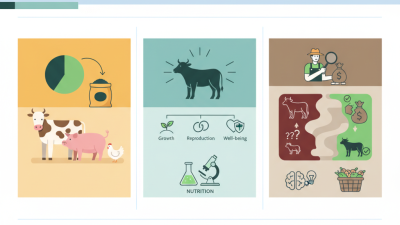
When sourcing livestock feed globally, evaluating the nutritional content is crucial. Quality feed ingredients directly influence animal health and productivity. Look for ingredients rich in essential nutrients such as proteins, vitamins, and minerals. Each nutrient plays a specific role in growth, reproduction, and overall wellbeing. For instance, protein sources like soybean meal can enhance muscle development.
However, not all feed ingredients are created equal. Different regions may have various standards for feed quality. It's essential to conduct laboratory tests for nutritional analysis. This can provide insight into the actual nutrient composition. Pay attention to the presence of anti-nutritional factors. They can negatively impact animal health and performance.
Exploring different suppliers is vital. Engage with local experts to understand their practices and ingredient sourcing. Trust is built over time, but occasional discrepancies can arise. Ensure you establish a robust communication channel to address potential issues. Evaluate their production processes and certifications. These factors will contribute to sourcing quality feed that meets livestock nutritional needs effectively.
Considering Local Regulations and Standards for Feed Sourcing
When sourcing livestock feed globally, understanding local regulations is crucial. Each region has specific rules governing the types of feed allowed. Compliance with these regulations ensures both safety and quality. For instance, certain additives may be banned in some countries but acceptable in others. It’s essential to research and adapt accordingly.
Engaging with local experts can improve your sourcing strategy. These professionals provide insight into current standards. They can also highlight potential risks associated with non-compliance. Ignoring local regulations can lead to significant fines or product recalls. Additionally, it can harm your reputation within the industry.
When assessing suppliers, verify their adherence to local standards. Request documentation and certifications to ensure quality control. Conducting facility visits might reveal practices that are not in line with regulations. Reflect on your sourcing methods regularly, adjusting to any changes in local laws. This proactive approach to compliance can protect both your business and your livestock.
Implementing Sustainable Sourcing Practices for Livestock Feed
Sustainable sourcing practices for livestock feed are essential for promoting environmental health. This approach not only involves selecting quality ingredients but also considers the ecological impact of production. Responsible sourcing reduces the carbon footprint and preserves local biodiversity. When sourcing livestock feed globally, a mindful selection of materials plays a crucial role in sustainability.
Using local suppliers can have numerous benefits. This method supports local economies and reduces transportation emissions. Engaging with farmers directly fosters transparency in sourcing. Another key aspect is verifying the quality of feed ingredients. Conduct thorough inspections and trust relationships built over time. This ensures livestock receive a balanced and nutritious diet.
Pay attention to innovation in feed production. Utilize alternative ingredients like by-products and pulses. Such approaches can enhance feed quality and reduce waste. Emphasizing sustainable practices promotes a healthier agricultural sector. Ultimately, continuously reflect on the sourcing process to improve and adapt to changing conditions. Prioritizing sustainability is a journey, not a destination.