China’s animal feed industry serves a wide range of farms, from small poultry operations to large-scale livestock and aquaculture businesses. Choosing a supplier is not simply a matter of comparing prices. Buyers may also need to assess ingredient consistency, production capacity, delivery coverage, and technical support. A sample bag tells only part of the story.
This guide examines leading animal feed suppliers in China and the factors that can help buyers evaluate them. The word “top” does not mean the same thing to every farm. One buyer may prioritize reliable deliveries of poultry feed, while another needs products suited to local fish species or changing weather conditions. Details matter.
A careful supplier review should consider product specifications, quality-control processes, traceability practices, and relevant certifications. Buyers can ask how batches are tested, how ingredient changes are communicated, and whether delivery schedules suit their region. These questions are practical, not flashy. They may also reveal gaps that a polished brochure does not mention. No public overview can replace checking current documents, visiting a facility where possible, or discussing requirements directly with a supplier. Information may change, and available products can differ by location. This introduction sets a grounded starting point for comparing suppliers, while recognizing that the best choice depends on the farm, its animals, and its operating needs.
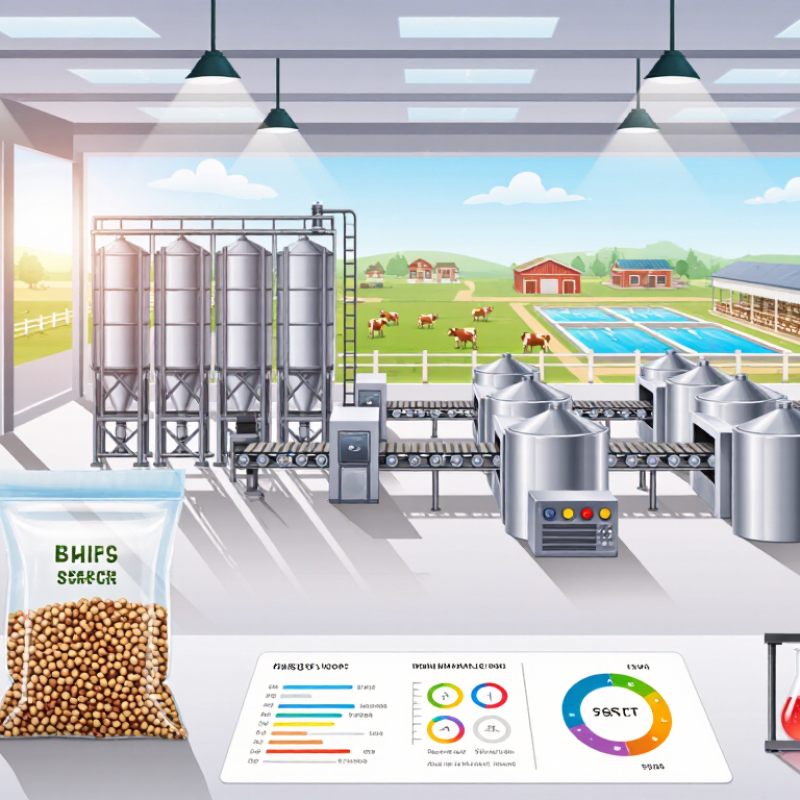
China’s animal feed supply industry links crop processors, ingredient traders, feed mills, laboratories, and farms. Its scale is large, but supply conditions differ across provinces. Coastal areas may have easier access to ports, while inland buyers often depend more on road and rail transport. That affects delivery time and ingredient costs.
Feed mills turn grains, oilseed meals, minerals, and other inputs into diets for poultry, pigs, cattle, and aquatic animals. Formulas vary by species and growth stage. A farm raising young pigs needs different nutrient levels from one producing layer hens. Small details matter: moisture in stored grain, pellet size, and clean silos can influence feed quality. Quality checks matter.
Suppliers are not interchangeable. Buyers can ask how ingredients are traced, how batches are tested, and how storage is managed during humid weather. Clear records and consistent specifications are useful signs of reliable operations, though paperwork alone cannot prove performance. Ask for evidence.
It is tempting to judge suppliers by production volume alone. That can miss local service, delivery reliability, and whether a formula suits a farm’s actual conditions. Comparisons also have limits: prices and ingredient availability can shift with harvests and transport. A careful buyer should review samples and delivery records, not just a sales sheet. Some uncertainty remains.
China’s industrial feed production by livestock and aquaculture category, 2023 (million metric tonnes)
Pig and meat poultry feed were the largest reported categories. These figures show production by feed category, not output by individual suppliers. Source: China Feed Industry Association, 2023 feed industry statistics.
Identifying leading animal feed suppliers in China requires more than comparing prices or production capacity. A careful assessment begins inside the mill: inspect ingredient storage, mixing controls, equipment cleanliness, and batch records. Ask how each ingredient is checked when it arrives. Reliable suppliers should explain their testing methods and show how they trace a finished batch back to its inputs. Numbers need context. High output alone does not prove consistent quality.
Technical support is another useful measure. Ask whether nutrition specialists can adjust formulations for animal age, farm conditions, and seasonal ingredient changes. Request trial data, but examine how it was collected, including the number of farms and the comparison period. Delivery reliability matters too; delayed feed can disrupt a farm’s routine. Independent test results and customer references add evidence, though neither tells the whole story. A polished audit file can still miss problems on a busy production day. Visit the facility if possible, speak with its staff, and note whether their explanations match the records. No checklist is perfect, but careful verification makes supplier comparisons more grounded.
A practical, evidence-based framework for assessing animal feed suppliers in China. The criteria below describe what to verify; they do not rank or identify individual companies.
| Assessment dimension | What to check | Evidence to request | Why it matters |
|---|---|---|---|
| Manufacturing authorization | Whether the production site holds the required feed or feed-additive production license for its activities. | A current license and confirmation that its scope and site details match the products offered. | Confirms that the supplier is authorized to manufacture the relevant products. |
| Production scale and market context | Assess a supplier’s verified output and capacity in relation to its product category and customer demand. | Audited or otherwise verifiable production records, facility information, and capacity-utilization data. | China’s industrial feed output was 321.627 million tonnes in 2023, providing national industry context—not a measure of any individual supplier. |
| Product quality and safety | Controls for ingredient acceptance, production, finished-feed testing, storage, and non-conforming products. | Quality-management procedures, recent test reports, batch records, and corrective-action documentation. | Consistent controls help reduce safety, quality, and batch-variation risks. |
| Regulatory and standards compliance | Whether feed products meet applicable Chinese requirements, including relevant feed hygiene requirements. | Product specifications, compliant test results, labeling information, and records demonstrating ongoing compliance. | Compliance evidence supports lawful sale and responsible product selection. |
| Species and nutrition expertise | Fit of the product range and technical recommendations for the customer’s animal species and production stage. | Nutrient specifications, feeding guidance, formulation support, and appropriately qualified technical staff. | Nutritional suitability depends on species, age or production stage, and farm conditions. |
| Ingredient sourcing and traceability | How key raw materials are approved, documented, tracked, and managed when supply or quality issues arise. | Supplier-approval procedures, incoming-material records, batch traceability, and recall procedures. | Traceability helps investigate problems and identify affected batches. |
| Delivery and service capability | Ability to serve the required locations reliably and provide product-related support. | Delivery records, service coverage details, complaint handling procedures, and response-time commitments. | Reliable supply and responsive service matter to farms and distributors operating on regular feeding schedules. |
| Commercial transparency | Clarity of product specifications, pricing terms, order conditions, and claims about performance. | Written quotations, product documentation, contractual terms, and substantiation for measurable claims. | Transparent documentation makes supplier comparisons more reliable and reduces misunderstandings. |
Industry data source: China Feed Industry Association, 2023 national feed industry statistics. The reported figure is national industrial feed output and should not be interpreted as an individual supplier’s production.
China’s major animal-feed suppliers are not one uniform group. Large-scale operators often combine grain purchasing, formulation, milling, and distribution, serving poultry, swine, and aquaculture farms. Their size can support regular deliveries, but scale alone does not prove feed quality. Consistency matters.
Regional manufacturers have a different profile. They work closer to farms and may adjust formulas around locally available corn, soybean meal, and seasonal conditions. A truck arriving before morning feeding is a practical advantage. Yet smaller service areas can mean fewer backup routes during harvest disruptions. That detail is easy to overlook.
Specialty suppliers focus on premixes, young-animal diets, or species-specific nutrition, while integrated producers may also provide breeding and farm support. Buyers can compare nutrient specifications, batch traceability, raw-material testing, and technical response times. Ask how a supplier handles a delayed ingredient shipment, not only how it prices a standard order. Paperwork helps, but it cannot replace consistent sampling and on-farm observation. I would be cautious about treating any single ranking as definitive; capacity, regional reach, and service quality change over time.
China’s feed suppliers serve swine, poultry, aquaculture, and ruminant farms with compound feeds, premixes, and concentrates. The China Feed Industry Association reported 321.6 million tonnes of industrial feed production in 2023. That scale makes dependable formulation and delivery important. Products should match species, age, and production stage. A young piglet’s ration, for example, needs different nutrient balance and particle size than a finishing pig’s feed. Small details matter.
Supplier capabilities extend beyond production. Look for documented ingredient checks, batch traceability, and routine testing for nutrient levels and contaminants. The FAO and International Feed Industry Federation’s Good Practices for the Feed Industry outlines hygiene and hazard controls across feed production and handling. Some suppliers also offer formulation advice and on-farm technical support. Ask for product specifications, test records, and clear procedures for handling quality complaints. The numbers do not tell the whole story. A large output does not guarantee a consistent batch, and a sample may not represent every delivery. It is worth checking.
Who Are the Top Animal Feed Suppliers in China?
Factors to Consider When Choosing a Supplier
Choosing an animal feed supplier in China is less about a large catalog than dependable evidence. Ask for recent quality certificates, batch test reports, and clear ingredient specifications. Check whether protein, moisture, fiber, and mineral values suit your animals’ age and production stage. A neat PDF is not enough. Request a sample and compare it with delivered feed, including its smell, texture, and pellet size. Differences may indicate production or handling variation, though appearance alone cannot prove quality.
Traceability matters. A supplier should identify ingredient origins, production dates, and lot numbers, then explain how it investigates complaints. Ask about routine testing, storage conditions, and controls for preventing cross-contamination. Verify actual production capacity and delivery coverage, not just advertised figures. Delays can disrupt feeding plans. Discuss lead times, packaging, payment terms, and support for formulation changes before placing a large order. A technically capable supplier may still be a poor fit if communication is slow or minimum volumes exceed your needs. Compare a trial order against written specifications and agreed acceptance criteria. Keep notes; small inconsistencies are easy to overlook until they become costly.