What is the Best Livestock Feed for Optimal Animal Health?
In the ever-evolving world of animal husbandry, the choice of livestock feed plays a crucial role in ensuring optimal animal health. Dr. Emily Thompson, a prominent animal nutritionist, emphasizes, "Quality livestock feed is the foundation of healthy livestock." This statement underscores the significant impact that nutrition has on the well-being of farm animals.
In recent years, the livestock feed industry has seen advancements in enriching formulations tailored for various species. Livestock feed must balance nutrients, including protein, fat, vitamins, and minerals. Each animal has distinct needs. For instance, dairy cows require high energy feed during lactation, while growing pigs benefit from protein-rich diets.
However, not all livestock feeds are created equal. Farmers often face challenges in sourcing quality ingredients. Some feeds may contain additives that compromise animal health. As a result, it is essential for producers to critically evaluate their livestock feed choices. They should seek out suppliers that prioritize transparency and sustainability in ingredient sourcing. This reflection on feed quality could mean the difference between thriving animals and those struggling to reach their potential.
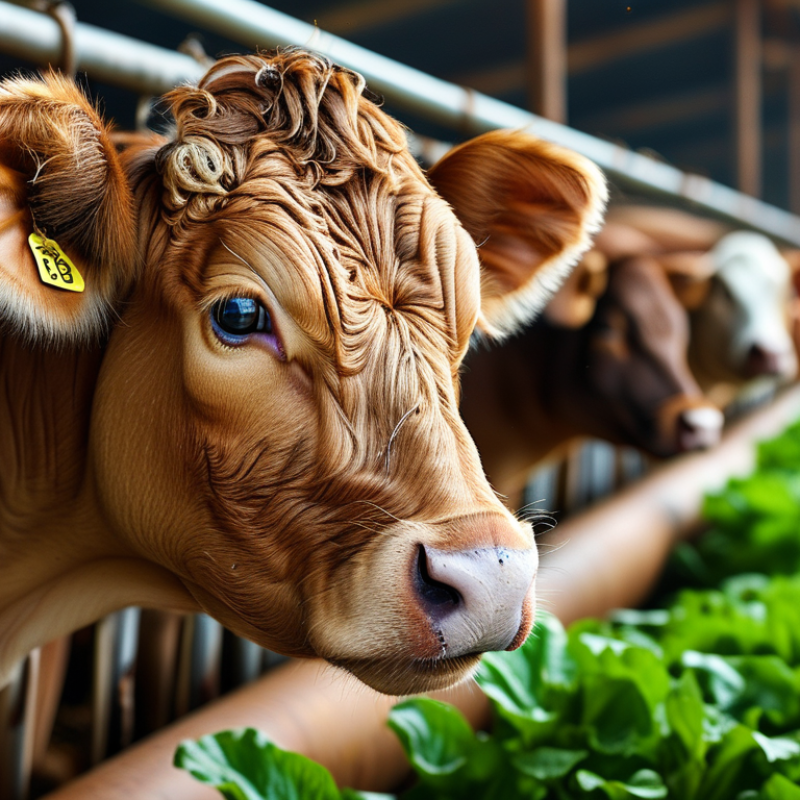
Understanding the Nutritional Needs of Livestock
Understanding the nutritional needs of livestock is essential for their overall health. Livestock require a balanced diet to thrive. Key nutrients include proteins, carbohydrates, vitamins, and minerals. Each type of animal has specific dietary requirements. For instance, ruminants, like cows, benefit from high fiber content. They rely on roughage to support digestion. In contrast, pigs and poultry need more energy-dense feeds.
Water should not be overlooked. It plays a critical role in digestion and nutrient absorption. Ensuring fresh water access can prevent stress and health complications. Farmers often make mistakes by focusing solely on feed without considering water quality. Adequate nutrition is also linked to animal productivity. Livestock receiving proper nutrition tend to grow faster and produce better quality meat and milk.
Adjusting feed formulation as animals grow is important. Younger animals may require different nutrients compared to adults. This often leads to trial and error for many farmers. Monitoring livestock health regularly can help identify nutritional deficiencies. This ongoing evaluation is crucial for well-being but often neglected in practice. Understanding these needs takes experience and knowledge, as every farm has unique conditions.
Best Livestock Feed for Optimal Animal Health
This chart illustrates the percentage of essential nutrients found in different types of livestock feed. Understanding these nutritional needs is crucial for maintaining optimal health in animals.
Types of Livestock Feed and Their Nutritional Profiles
When selecting livestock feed, understanding different types and their nutritional profiles is crucial. Livestock require a balance of proteins, carbohydrates, fats, vitamins, and minerals. For example, cattle often benefit from a diet high in fibrous forage. According to the National Research Council, a quality forage can provide 50% of a cow’s nutrient needs. Meanwhile, grains like corn or barley can supply essential energy.
Pigs thrive on a diet that emphasizes digestible carbohydrates and adequate protein sources. Research indicates that a protein-rich diet can lead to faster growth rates. This increase is particularly noted when the protein content is around 18% in their feed. Poultry feed often includes a mix of grains, oilseeds, and vitamins, contributing to a nutritious blend that supports egg production and growth efficiency.
Consider these tips: monitor the feed conversion ratio regularly. This measure helps assess feed efficiency in livestock. Additionally, observe animal behavior and health closely—it often reflects their nutritional status. Adjustments in feeding may be needed based on changes in weather or animal health. Ensure that feed is stored properly to prevent spoilage and nutrient loss. Continual evaluation can lead to more informed decisions and ultimately, better animal health.
Factors Influencing Feed Quality and Animal Health
When it comes to livestock feed, several factors play a crucial role in determining its quality and, consequently, animal health. Nutritional balance is paramount. Livestock require a mix of proteins, carbohydrates, vitamins, and minerals. Poorly formulated feeds can lead to deficiencies or excesses, impacting animal growth and immune health.
Quality of ingredients is another key aspect. Ingredients should be fresh and free from contaminants. Moldy or spoiled feed can adversely affect livestock health, leading to sickness. It's essential for farmers to source ingredients from reputable suppliers and ensure batch testing is conducted for quality assurance.
Tips for better feed management include monitoring feed storage conditions. Ideal storage prevents spoilage and maintains nutrient integrity. Regularly assessing feed formulations to match the specific needs of animals at different life stages aids in optimal growth and productivity.
Understanding animal behavior can also provide insights into feed preferences and consumption. Animals may reject unpalatable feeds, which highlights the need for palatability in feed formulations. By tailoring feeding strategies to animal preferences and needs, overall health and productivity can improve significantly.
Evaluating Feed Additives for Enhanced Livestock Performance
When it comes to livestock performance, feed additives play a critical role. These ingredients can enhance nutrient absorption and improve overall health. Some commonly studied additives include probiotics, prebiotics, and amino acids. Probiotics support gut health, while prebiotics stimulate beneficial bacteria growth. Both can contribute to better digestion and nutrient utilization.
However, not all additives yield the same results for every livestock type. Factors such as age, species, and specific health needs can influence their effectiveness. It’s essential for farmers to evaluate which additives align with their animals’ nutritional needs. Testing different combinations may lead to unforeseen outcomes. Sometimes, what works for one herd may not work for another, requiring ongoing assessment.
Monitoring the animals' health and performance after introducing new additives is crucial. Clear documentation of changes over time can provide valuable insights. Unexpected reactions can also prompt a rethink of the feeding strategy. Balancing between optimal nutrition and individual animal responses may require patience and practicality. Understanding the science behind these feed additives helps ensure livestock thrive.
Best Practices for Feeding Different Types of Livestock
Feeding livestock requires careful attention to detail. Different species have unique dietary needs that can significantly impact their health and productivity. For example, the National Research Council recommends that cattle require a minimum of 2% of their body weight in dry matter. This highlights the importance of understanding individual animal requirements.
For pigs, a balanced diet rich in protein is vital during growth phases. Studies show that a protein level of 18-20% in their diet can promote optimal growth rates. However, overfeeding can lead to obesity, which poses health risks. Swine nutritionists often recommend regular body condition assessments to tailor diets effectively.
Poultry has its own set of feeding complexities. Layer hens require a calcium-rich diet for optimal eggshell formation, with studies indicating that 3.5-4% calcium levels improve shell strength. However, excessive calcium can result in metabolic issues, reflecting the need for a balanced approach. A consistent monitoring process can help catch nutritional imbalances early, ensuring the well-being of the flock.
What is the Best Livestock Feed for Optimal Animal Health? - Best Practices for Feeding Different Types of Livestock
| Livestock Type |
Recommended Feed Type |
Key Nutrients |
Optimal Feeding Amount |
| Cattle |
Grass Hay and Silage |
Protein, Fiber, Vitamins A & E |
2-3% of body weight |
| Pigs |
Corn and Soybean Meal |
Energy, Protein, Minerals |
2.5-3.5% of body weight |
| Chickens |
Layer Pellets |
Protein, Calcium, Phosphorus |
110-120 grams per day |
| Sheep |
Alfalfa Hay |
Protein, Fiber, Minerals |
1.5-2% of body weight |
| Goats |
Grain Mix and Hay |
Energy, Fiber, Vitamins |
3-5% of body weight |