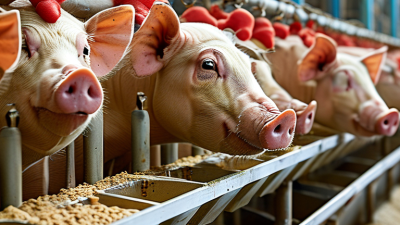
Choosing an animal feed supplier involves more than comparing prices or reviewing a product catalogue. Global buyers must assess feed types, ingredient sourcing, production capacity, and delivery reliability. A supplier serving poultry farms may not suit cattle operations or aquaculture businesses. Needs differ by species, climate, and production scale.
Details matter.
This guide introduces ten animal feed suppliers for buyers seeking potential partners across international markets. Each profile can help readers understand product ranges, geographic reach, and areas worth checking before making contact. Company information may change, and a supplier’s capabilities can vary by region. A polished website alone is not enough.
Buyers should verify product specifications, quality controls, traceability practices, and relevant certifications directly with each company. Ask about sample testing, storage conditions, lead times, and how the supplier manages ingredient changes. Import requirements also differ between destinations, so confirm applicable local rules with qualified advisers or authorities. No shortlist replaces that work.
A useful comparison considers both cost and consistency. A lower quoted price may not include freight, suitable packaging, or dependable delivery windows. Conversely, a large supplier may not offer the flexibility a smaller buyer needs. There is no perfect fit for everyone, and company claims deserve careful review. Use these profiles as a starting point, then check current details and request clear documentation before committing.
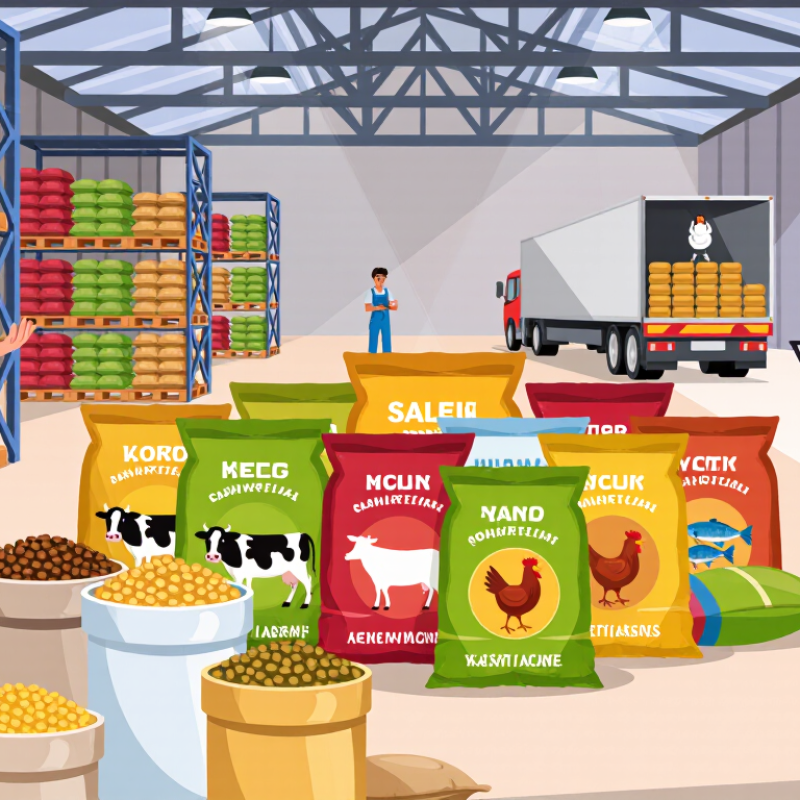
Animal feed is not one uniform product. Poultry diets often need carefully balanced energy and protein, while ruminants can use forage-rich rations suited to their digestion. Aquaculture feeds bring different demands, including water stability and particle size. The right formulation depends on species, age, production goals, and locally available ingredients. Small details matter.
Global buyers also need to consider climate and transport. In humid ports, moisture control and protective storage help reduce spoilage risk. Long shipping routes can affect freshness and delivery schedules, so buyers should ask about shelf life, packaging, and batch traceability. A supplier’s feed analysis and quality documentation can help verify nutrient levels, but specifications should match the actual animals and feeding program.
Market needs differ by region. Ingredient availability, seasonal harvests, infrastructure, and farm scale all influence what is practical and affordable. Buyers can compare protein, fiber, fat, and mineral values alongside price per useful unit, rather than choosing by price alone. It is tempting to expect one formula to work everywhere; in practice, local trials and advice from qualified nutrition professionals are often necessary. Even a well-designed ration may need adjustment when ingredients or weather change.
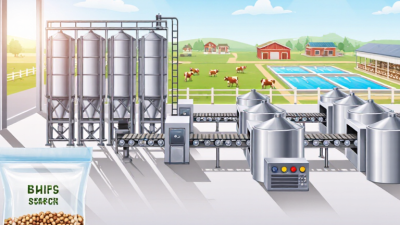
International buyers should evaluate animal feed suppliers on documented consistency, not price alone. The 2024 Global Feed Survey estimated worldwide feed production at 1.29 billion metric tonnes in 2023, up 1.2% from 2022. Numbers need context. Production volume does not prove that a supplier can meet your specification or delivery schedule.
Check whether each lot comes with a clear ingredient specification, nutrient analysis, and certificate of analysis. Ask how samples are collected and which laboratory tests them. Confirm batch traceability, production capacity, packaging, and moisture controls; damp bags or unclear storage conditions can compromise product quality during transit. The OECD-FAO Agricultural Outlook 2024–2033 projects global meat consumption to rise about 12% by 2033, increasing pressure on feed supply chains. Ask for evidence. A certificate alone may not show how consistently a supplier controls production.
Before placing a large order, compare a representative sample with the written specification through an independent laboratory. Review recent delivery records and ask how the supplier handles shortages, specification changes, and delayed shipments. Confirm that export documents match the product and destination requirements. These checks take time. Still, a polished sales presentation can hide gaps between stated capacity and actual performance, so verify details with recent records rather than promises.
Leading animal feed suppliers for global buyers do more than ship grain, meal, or premixes. They help farms and distributors match feed specifications to livestock species, growth stages, and local storage conditions. A useful supplier can explain ingredient composition clearly and provide batch-specific documents for review. Ask how samples are tested, how lots are traced, and what happens when a shipment arrives outside specification. Details matter.
Reliable sourcing also depends on practical logistics. Buyers should compare production capacity, packaging options, delivery windows, and experience handling the intended route. Moisture control and sturdy bags can matter as much as price when feed travels through humid ports or sits in a warm warehouse. Import requirements vary by destination, so confirm applicable documents with qualified local advisers rather than assuming one checklist fits every market.
A polished sales sheet is not enough. Request recent quality records, clarify how changes in ingredients are communicated, and agree on inspection procedures before ordering. Smaller trial shipments can reveal issues with consistency, unloading, or storage before volumes increase. Not every plan works. Procurement teams may overlook seasonal delays or rely too heavily on one quotation; those assumptions deserve review. The strongest supplier relationship is built on clear specifications, timely updates, and evidence that matches each delivered lot.
Choosing among the 10 best animal feed suppliers means comparing more than price. Product range matters: a poultry operation may need consistent protein and energy levels, while dairy farms often prioritize fiber and mineral balance. Ask for current specifications, ingredient declarations, and batch analysis. Details matter. A sample that looks uniform can still vary in moisture or particle size, so request recent test results from multiple production batches.
Certifications help buyers assess quality systems, but check their scope, issuing body, and expiration date. HACCP-based controls, ISO 22000, GMP+ certification, or FAMI-QS may be relevant, depending on the product and supply chain. Do not assume one certificate covers every facility or feed category. Ask for proof. Export reach is equally practical: confirm destination experience, shipping options, packaging, lead times, and the supplier’s ability to provide accurate customs and product documents. A large export map sounds reassuring, yet a missed vessel or unclear paperwork can disrupt farm schedules. Compare response times and traceability procedures before committing. No checklist removes all risk; supplier performance should be reviewed after deliveries begin.
This is an anonymized, category-based sourcing comparison—not a verified ranking of individual companies. Certification requirements and export eligibility vary by facility, product, and destination market; request current certificates and confirm import rules before purchasing.
| No. | Supplier Type | Typical Products | Common Buyer Priorities | Certifications or Controls to Verify | Typical Export Reach | Best Fit |
|---|---|---|---|---|---|---|
| 1 | Large integrated feed manufacturer | Complete poultry, swine, cattle, and aquaculture feeds; premixes in selected markets | Consistent formulations, reliable production capacity, technical support, and bulk delivery | HACCP-based food/feed safety system; ISO 22000 or FSSC 22000 where applicable; local feed-manufacturing approvals | Usually domestic and regional markets; international reach depends on product registration and shipping economics | Buyers seeking finished feed and ongoing supply programs |
| 2 | Compound-feed mill | Pelleted, mash, or crumble feeds for poultry, pigs, ruminants, and other livestock | Species-specific formulations, ingredient traceability, and dependable batch quality | HACCP plan, GMP controls, applicable national feed licenses, and documented contaminant testing | Primarily national or neighboring-country markets, often by truck or short-sea shipping | Importers and distributors sourcing finished feed near their markets |
| 3 | Feed-premix and micro-ingredient producer | Vitamin and mineral premixes, amino acids, enzymes, and specialty nutritional blends | Accurate dosing, formulation confidentiality, stability data, and technical documentation | GMP or equivalent feed-safety controls; FAMI-QS may be relevant for applicable feed additives and premixes | International parcel, container, or distributor networks, subject to ingredient registration rules | Feed mills that blend their own base rations |
| 4 | Oilseed-meal and protein-meal supplier | Soybean meal, canola meal, sunflower meal, and other plant-protein meals | Protein and moisture specifications, origin traceability, mycotoxin controls, and bulk availability | Feed-safety management system, laboratory certificates of analysis, and identity-preservation documentation when required | Global bulk-commodity routes, depending on crop origin, port access, and destination import rules | Large feed manufacturers and livestock integrators |
| 5 | Grain and cereal-feed exporter | Maize, wheat, barley, sorghum, and selected milling or grain co-products | Moisture, foreign-matter, mycotoxin, and crop-year specifications; loading and storage reliability | HACCP or equivalent handling controls; independent inspection and product-specific laboratory testing | Broad international seaborne trade, with availability varying by harvest and trade policy | Buyers needing high-volume energy ingredients for feed rations |
| 6 | Fishmeal and marine-ingredient supplier | Fishmeal, fish oil, and selected marine protein ingredients for aquaculture and livestock feeds | Protein, fat, freshness, oxidation measures, species or fishery origin, and contaminant testing | HACCP-based controls; fishery or chain-of-custody certification where applicable; destination-specific health documents | International specialist trade, subject to fisheries rules, product approvals, and import permits | Aquafeed producers and buyers needing marine-derived proteins |
| 7 | Rendered animal-protein ingredient supplier | Meat-and-bone meal, poultry meal, blood meal, and rendered fats where legally permitted | Species identification, processing parameters, microbiological safety, and strict segregation | Approved rendering establishment status, HACCP-based controls, veterinary or sanitary documentation, and destination-market approval | Market-specific; trade can be restricted by species, disease status, and national feed regulations | Buyers operating in markets that permit the relevant rendered ingredients |
| 8 | Forage and roughage exporter | Hay, alfalfa, straw, and other dried forage products | Moisture, leaf retention, bale density, weed-seed control, and phytosanitary compliance | Phytosanitary certificates where required; residue and feed-safety testing; organic certification only for verified organic lots | Container and bulk shipments to forage-importing regions, subject to plant-health rules | Dairy, beef, and equine buyers seeking imported roughage |
| 9 | Feed-additive and specialty-ingredient supplier | Enzymes, probiotics, organic acids, binders, antioxidants, and other functional additives | Product efficacy evidence, inclusion guidance, shelf life, compatibility, and regulatory status | FAMI-QS or other applicable feed-chain quality certification; product registration and approved-label checks for the destination | Often distributed internationally through local importers, subject to additive approvals | Feed formulators seeking targeted nutritional or processing functions |
| 10 | Organic and specialty-feed supplier | Certified-organic grains, oilseed meals, forage, and complete feeds where available | Verified organic status, segregation from conventional material, traceability, and supply continuity | Valid organic certification under the importing market’s rules; feed-safety controls and lot-level transaction documents | Specialist international trade; availability and recognition of certificates vary by country | Organic livestock operators and buyers serving certified specialty markets |
Choosing a long-term animal feed partner means checking more than price per tonne. FAO-hosted research by Mottet and colleagues found that 86% of livestock feed dry matter is not currently eaten by humans. This highlights the value of suppliers who understand local by-products, ingredient variability, and species-specific nutrition. Ask how each ingredient is sourced and tested. Request recent laboratory results, clear nutrient specifications, and lot-level certificates of analysis.
Consistency matters in daily operations. A useful supplier shares production records, explains changes in formulation, and flags quality issues before a shipment leaves. Check whether its testing covers moisture, protein, fiber, and relevant contaminants. Confirm that delivery windows, storage requirements, and complaint procedures are written down. Small details count. A damp bag near a feed-room wall can spoil more than a spreadsheet suggests.
Reliability also needs evidence over time. Review on-time delivery records, contingency plans, and communication during shortages. A supplier may offer a strong first quote but struggle when harvest quality shifts. No checklist removes every surprise. Trial several shipments and compare feed results with the agreed specifications. One uncomfortable question is worth asking: how quickly will the supplier disclose a deviation? A candid answer may matter more than polished sales material.
Feed production in leading markets offers global buyers a useful overview of the scale and geographic distribution of the animal feed supply base.
Production estimates for 2023, in million metric tonnes. Source: 2024 Global Feed Survey.