Best Cattle Feed Options for High Nutrition and Growth?
In the cattle industry, nutrition plays a pivotal role in optimizing growth and productivity. High-quality cattle feed can significantly impact weight gain, milk production, and overall herd health. According to a report from the Global Feed Industry Association, proper formulation of cattle feed is linked to a 15-20% improvement in growth rates. This emphasizes the importance of selecting the right feed for cattle, not just for short-term goals, but for sustainable farming.
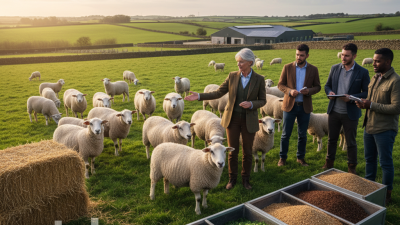
Expert Dr. Emily Thompson, a nutritionist in livestock feed, states, "Quality cattle feed is the foundation of a sustainable herd." Her insights highlight the necessity for farmers to focus on the nutritional value of their feed. The right mix of proteins, vitamins, and minerals can make a substantial difference. However, many farmers often overlook the crucial role of feed formulation, resulting in suboptimal growth and health issues.
Choosing the best cattle feed requires careful consideration. Factors like age, health, and type of cattle come into play. There are also various feed options, including grains, forages, and supplements. Each has its benefits but may not suit every situation. Farmers should continually assess their nutrition strategy to ensure their cattle receive what they need for maximum growth. This proactive approach can lead to a more robust and productive herd in the long run.
Understanding Nutritional Requirements for Cattle Growth
Understanding the nutritional requirements for cattle growth is crucial for farmers. Nutrients can influence growth rates, milk production, and overall health. Cattle need a balanced diet rich in proteins, carbohydrates, fats, vitamins, and minerals. These elements fuel not just physical growth but also bolster the immune system.
Image
Protein is particularly vital. Young cattle require higher protein levels to support muscle development. Forages, grains, and protein supplements can meet these needs. However, over-supplying protein can lead to health issues. Monitoring protein intake is essential for optimal growth.
Energy sources, primarily from carbohydrates and fats, also play a significant role. Cattle convert these nutrients into energy for daily activities. Yet, too much energy can result in obesity. Balancing energy intake with activity levels is necessary. By understanding these requirements, farmers can promote healthy growth in their herds.
Types of Cattle Feed: Grains, Forages, and Supplements
When selecting cattle feed, it’s essential to understand the types available: grains, forages, and supplements.
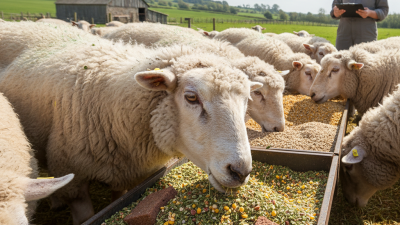
Grains, like corn and barley, are high-energy options that promote growth. A study by the National Cattlemen’s Beef Association indicates that grain-based diets can enhance weight gain by 1.5 to 2 pounds per day. However, excessive grain can lead to digestive issues; moderation is vital.
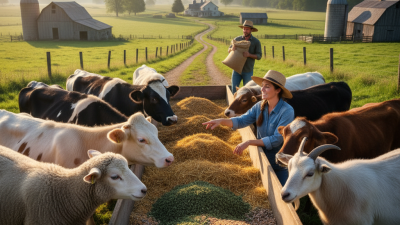
Forages, such as hay and silage, provide necessary fiber. They help maintain healthy rumen function. According to the University of Georgia, high-quality forage can support up to 75% of a cow’s dietary needs. Yet, it can vary in nutritional content depending on the harvesting time and storage conditions. Not all forages are created equal; evaluating quality is crucial.
Supplements play a supportive role, addressing nutrient gaps. They often include minerals and vitamins that can boost overall health and productivity. Research shows that supplementing with specific minerals can improve reproductive performance. While these options enhance diets, relying solely on them without a balanced ration may not yield optimal results. Recognizing these nuances can influence cattle nutrition and growth outcomes significantly.
Evaluating Protein Sources for Optimal Cattle Nutrition
When evaluating protein sources for optimal cattle nutrition, it's crucial to focus on quality and digestibility. High-quality protein supports growth and development in cattle. Sources like soybean meal and alfalfa are often recommended. They contain essential amino acids. However, farmers should consider the cost-to-benefit ratio.
Tips: Assess local prices for protein sources. Sometimes, cheaper options may suffice in specific contexts. Monitor cattle health to adjust feed choices as needed.
Furthermore, not all protein sources are equal. Some may offer high protein content but lower digestibility. Grain byproducts can provide a mixed bag. They might save money, but can also lead to lower weight gain. Understanding your cattle's needs is vital.
Tips: Keep records of weight gain and health after feed changes. This can provide insight into feed effectiveness. Regularly consult with a livestock nutritionist for tailored advice.
Balancing Energy and Nutrients in Cattle Feed Formulation
Balancing energy and nutrients in cattle feed formulation is crucial for optimal growth. Cattle require a well-rounded diet to maintain health and enhance production. A mix of carbohydrates, proteins, vitamins, and minerals is essential. Protein sources like soybean meal can provide the necessary amino acids. Meanwhile, high-energy feeds, such as corn, promote weight gain.
Tips: Monitor protein levels regularly. Inadequate protein can stifle growth. Excess protein may lead to waste and increased costs. Aim for balance.
Fiber is another key nutrient. It aids digestion and keeps cattle healthy. Ingredients like alfalfa or grass hay can be excellent fiber sources. But too much fiber can restrict energy intake. Always assess your feed mix for proper fiber levels.
Tips: Test feed regularly for nutrient content. Regular assessment helps identify imbalances promptly. Pay attention to cattle behavior and health signs, as they provide insights into dietary effectiveness.
Feeding Strategies for Maximizing Health and Weight Gain
Feeding strategies play a crucial role in maximizing the health and weight gain of cattle. A well-balanced diet can significantly impact growth rates and overall health. According to the National Cattlemen's Beef Association, providing protein-rich feeds can enhance muscle development, leading to better market weights. Cattle require a mix of carbohydrates, proteins, vitamins, and minerals to thrive.
Monitor daily intake closely. Cattle typically need 2-3% of their body weight in forage. Ensuring access to clean, fresh water is critical too. The University of Illinois found cattle that drink sufficient water often gain weight more efficiently. However, overfeeding can lead to health issues. Regularly assess body condition scores to prevent obesity.
Tips: Implement strategic feeding times. Cattle thrive on routine. Divide feedings into smaller amounts throughout the day. This approach can enhance digestion and nutrient absorption. Consider seasonal variations in forage quality. Adjust your feed strategy accordingly, embracing the natural cycles of your environment. Reflect on these practices, as continuous evaluation leads to better outcomes.
Best Cattle Feed Options for High Nutrition and Growth