Best Feed for Cattle to Boost Production and Health?
In the realm of livestock farming, the choice of feed for cattle is critical. Dr. Jane Thompson, a leading expert in animal nutrition, emphasizes, "Quality feed directly influences cattle health and productivity." Farmers seeking to enhance their herd's performance must carefully consider their feed options.
Quality feed for cattle is not merely about quantity. It's essential to find balanced nutrition that supports growth, lactation, and overall health. Modern research reveals that nutrient-rich feed can lead to better weight gain and increased milk production. However, many producers still rely on traditional feeding practices, sometimes neglecting the latest advancements in cattle nutrition.
While there are many feed products available, not all are effective. Producers need to reflect on the specific needs of their cattle. Is the feed appropriate for age and breed? Are there local feeds that offer competitive nutrition? Understanding these factors is vital. As farmers look to improve their operational efficiency, focusing on the right feed for cattle can make a significant difference.
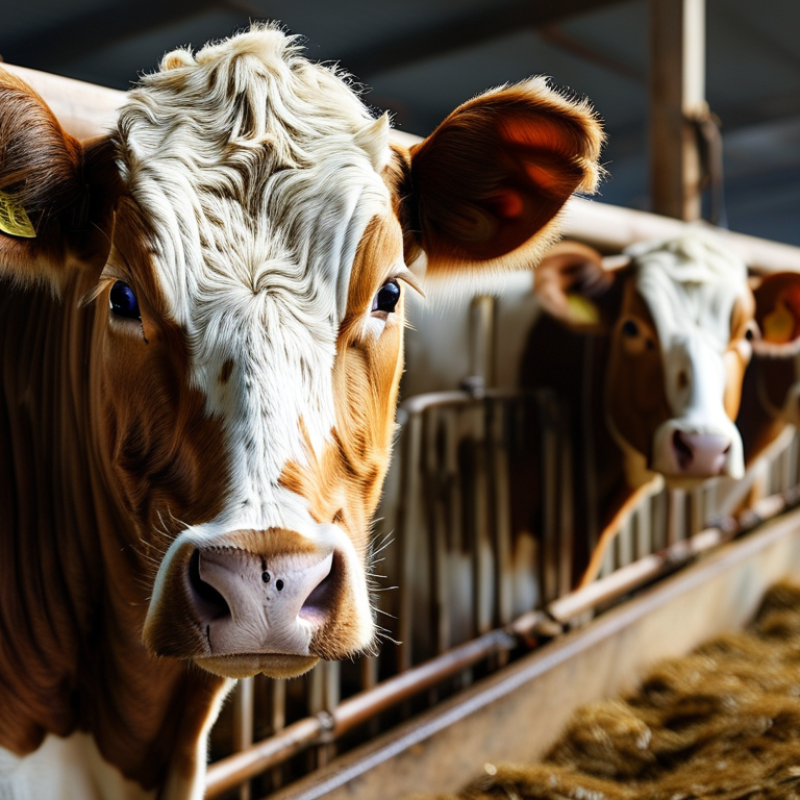
Nutritional Requirements of Cattle for Optimal Production
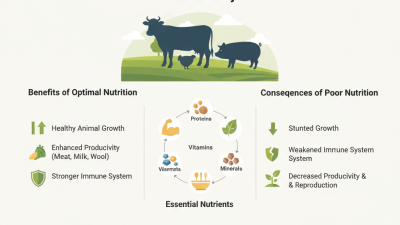
When it comes to cattle nutrition, understanding their dietary needs is essential for optimal production. Cattle require a balanced diet that includes energy, protein, vitamins, and minerals. Energy sources typically come from carbohydrates and fats, while proteins support growth and milk production. Ensuring your cattle receive the proper vitamins, particularly A, D, and E, is crucial for their overall health.
Cattle also need essential minerals like calcium and phosphorus. These minerals promote strong bones and improve reproductive performance. Many producers overlook the importance of water quality. Clean, fresh water is vital for digestion and overall health.
**Tips**: Regularly check for signs of deficiency. Monitor body conditions and adjust diets accordingly. Always consult a nutritionist for tailored recommendations. Understanding your cattle effectively requires observation.
Nutrition is not a one-size-fits-all approach. Factors such as age, weight, and purpose impact dietary needs. Adjusting rations based on performance can yield better results. Be prepared to reassess your feeding strategies regularly. Keeping cattle healthy and productive is an ongoing process that requires attention to detail.
Best Feed for Cattle to Boost Production and Health
This chart illustrates the nutritional composition of various cattle feed types and their impact on cattle production efficiency, focusing on protein, energy, and fiber content.
Types of Feed for Cattle and Their Nutritional Benefits
When choosing the best feed for cattle, understanding the types of feed is crucial. Cattle have diverse nutritional needs that can greatly affect their production and overall health. For instance, forage plays a vital role. High-quality hay or pasture can supply essential roughage. According to the National Cattlemen’s Beef Association, good forage can enhance digestion and nutrient absorption, which are fundamental for growth.
Concentrates, such as grains, are rich in energy. They provide higher caloric content compared to forages. A report from the University of Missouri indicates that energy-dense feeds can increase weight gain significantly. However, it’s important to balance these with sufficient roughage to avoid digestive issues. Over-reliance on concentrates without proper monitoring may lead to health complications.
Protein supplements are another essential component. Ingredients like soybean meal or canola meal deliver crucial amino acids. Research published in the Journal of Animal Science emphasizes that adequate protein levels are critical for effective muscle development. However, excess protein can strain cattle's kidney function, indicating the need for careful formulation and monitoring of dietary intake. Proper feed management ensures optimal growth while maintaining cattle health.
The Role of Vitamins and Minerals in Cattle Health
Cattle health relies heavily on vitamins and minerals. These nutrients are crucial for proper growth and production. Vitamins such as A, D, and E play significant roles in metabolic functions. Minerals, including calcium, phosphorus, and magnesium, support bone formation and nerve function.
A balanced diet not only improves cattle health but also enhances productivity. Deficiencies can lead to various health issues. For example, a lack of vitamin A may cause vision problems. Similarly, insufficient calcium can result in weaker bones. Farmers must regularly assess their cattle's dietary intake.
Furthermore, understanding the specific needs of cattle based on age and breed is key. Some cattle require different amounts of nutrients. Observing cattle behavior can indicate nutritional deficiencies. These reactions might be subtle, yet they offer insights into their overall well-being. Careful monitoring can help address these issues before they escalate.
Feed Additives: Enhancing Cattle Growth and Production
Feed additives play a crucial role in enhancing cattle growth and production. Various studies have shown that the right mix of additives can improve feed efficiency by up to 20%. For instance, probiotics and enzymes can positively influence digestion. This encourages better nutrient absorption, which is vital for cattle during critical growth phases.
Nutritionists have noted the importance of incorporating specific vitamins and minerals. Microminerals like zinc and copper are essential for immune function. Data suggests that proper supplementation can lead to a 15% increase in average daily gain (ADG). However, it is vital to assess the individual needs of the herd. Over-supplementation may result in health issues, highlighting the need for careful balance.
Moreover, many producers overlook forage quality. High-quality forages, paired with the right feed additives, can significantly boost overall health. Industry reports indicate that good forage management can reduce feed costs by 30%. Addressing these aspects can be complex, but striving for optimal nutrition is essential for sustainable cattle production.
Best Feed for Cattle to Boost Production and Health
| Feed Type |
Nutritional Components |
Benefits |
Recommended Use |
| Corn Silage |
High in carbohydrates, moderate protein |
Enhances energy intake, improves milk production |
Dairy cattle feed; high-yield lactating cows |
| Soybean Meal |
High in protein, low in fiber |
Promotes muscle growth, improves body condition |
Used in both beef and dairy rations |
| Alfalfa Hay |
Rich in minerals and vitamins, high in protein |
Improves digestion, increases milk fat |
Ideal for pregnant and lactating cows |
| Barley |
Good source of energy and beta-glucans |
Enhances gut health, improves fermentation |
Used for finishing beef cattle |
| Mineral Supplements |
Vitamins, minerals such as calcium, phosphorus |
Supports immune function, growth, and reproduction |
Incorporate into all cattle diets |
Best Practices for Managing Cattle Nutrition and Feeding Strategies
Nutrition plays a pivotal role in cattle production. Understanding nutrient requirements can enhance growth and overall health. Research indicates that a balanced diet, rich in protein, energy, vitamins, and minerals, is essential. According to the National Research Council (NRC), protein needs can vary. For growing cattle, the protein requirement may be around 12-14% of total diet composition.
Feeding strategies can also significantly impact production efficiency. Regularly assessing forage quality is crucial. High-quality forage supports better digestibility and nutrient absorption. A study by the University of Nebraska shows that optimizing forage utilization can increase weight gain by 0.5 to 1 pound per day in beef cattle. Moreover, managing feeding schedules is key. Cattle respond positively to consistent feeding times, which can lead to improved feed intake and less wastage.
But challenges remain. Some producers struggle with improper feeding practices, which can lead to health issues. Micronutrient deficiencies, for instance, can impair immune function. Monitoring cattle health regularly is vital. Keeping records of weight, feed intake, and behavioral changes helps in identifying potential issues. Addressing these inconsistencies in management can ultimately enhance cattle welfare and productivity.