How to Choose Game Bird Feed for Global Wholesale Buyers?
Choosing game bird feed for global wholesale markets requires more than comparing protein percentages. Buyers must connect nutrition, bird species, production stage, storage conditions, and local regulations. A starter ration for young pheasants may need a different amino acid balance than maintenance feed for mature quail. Small details matter. Particle size matters.
Poultry nutrition expert Dr. Peter Ferket has emphasized, “Nutrition is the foundation of poultry health and performance.” That principle remains practical for wholesale purchasing. Reliable suppliers should provide a complete specification sheet, including crude protein, energy, essential amino acids, calcium, phosphorus, fiber, moisture, and ingredient sources. Testing for mycotoxins and microbial contamination also deserves serious attention, especially in warm, humid regions. A clean warehouse cannot repair poor raw materials.
Global buyers should examine batch traceability, packaging strength, shelf life, and transport requirements. A 25-kilogram bag may suit a farm warehouse, but smaller sealed bags could reduce moisture exposure after opening. Feed should arrive intact, without a sour smell, caking, insects, or unexplained color changes. Those signs require investigation.
Price still matters. Yet the cheapest game bird feed may create hidden costs through slower growth, uneven feathering, or poor feed conversion. This is not always easy to measure. Buyers should request trial data from comparable birds and climates, then verify results independently. Formulas can look perfect on paper. Field performance may disagree. A careful purchasing decision combines laboratory evidence, supplier experience, veterinary guidance, and honest review of what the birds actually consume.
Identify Game Bird Species, Age, and Nutritional Requirements
Global wholesale buyers should identify the game bird before comparing feed prices.
Pheasants, partridges, quail, and wild turkeys do not share identical requirements. A three-week-old pheasant chick needs dense protein for feathers, muscle, and skeletal growth. An adult breeder needs more controlled energy, calcium, and vitamin support.
The NRC Nutrient Requirements of Poultry reports about 24% crude protein for growing Japanese quail, while adult breeding birds require less protein. These figures are useful references, not universal formulas.
Age changes the purchasing decision.
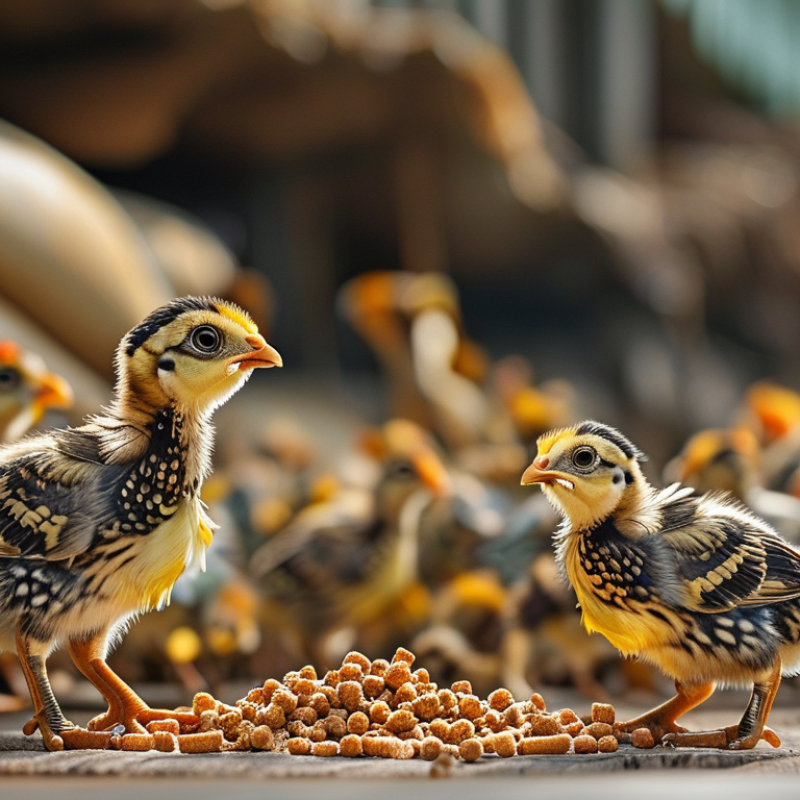
Starter feed should use small, clean particles that chicks can swallow easily. Grower feed can contain larger crumbs or pellets as body size increases. Breeder diets need balanced calcium and available phosphorus for shell quality.
Feedipedia, managed by INRAE, CIRAD, and AFZ, shows that ingredient nutrient values vary with processing and origin. Moisture, storage temperature, and mycotoxin testing also deserve attention. A cheap protein percentage can mislead buyers.
Request a laboratory specification before ordering.
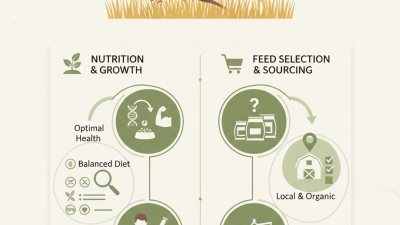
Check crude protein, amino acids, calcium, phosphorus, fiber, moisture, and pellet size. Ask whether the formula suits the exact species and production stage.
I have seen buyers compare only protein and overlook energy density. That approach is incomplete. Even reliable formulas may need regional adjustment after flock performance, droppings, and body weight are reviewed.
Sources: NRC, Nutrient Requirements of Poultry, 9th revised edition; Feedipedia, INRAE-CIRAD-AFZ, accessed 2024.
Compare Feed Forms, Digestibility, Freshness, and Storage Needs
How to Choose Game Bird Feed for Global Wholesale Buyers?
Feed form affects handling, waste, and intake. Mash usually costs less, but it separates during long transport. Crumble suits young game birds because smaller particles reduce sorting. Pellets create fewer dusty corners and usually improve uniform intake. However, pelleting heat may reduce some sensitive nutrients if processing is poorly controlled. Alltech’s Agri-Food Outlook 2025 recorded 1.126 billion tonnes of global feed production in 2024. That scale makes consistent specifications more important than attractive packaging.
Digestibility needs evidence, not only claims. Request crude protein, energy, amino acids, fibre, moisture, and ingredient declarations. Feedipedia data shows that ingredient digestibility can vary significantly between grains and processing methods. Freshness also changes during shipment. Check production dates, batch numbers, rancid smells, caking, insects, and visible mould. Codex’s Code of Practice on Good Animal Feeding recommends traceability, contamination control, and suitable storage conditions. A perfect formula can still fail inside a hot container.
Tips: Use sealed bags on pallets, leave airflow between stacks, and apply first-in, first-out rotation. Keep storage cool, dry, and protected from sunlight. Ask suppliers for moisture and mycotoxin test results, especially before buying bulk quantities. Compare delivered cost per usable kilogram, not only the invoice price. I would still test a small shipment first. Humidity, bird age, and transport duration can expose weaknesses that laboratory figures miss.
This practical comparison index rates common game bird feed forms from 1 to 5, where higher scores indicate better performance for the selected wholesale factor. Pellets generally provide consistent nutrient intake and lower waste, while whole grains offer simpler handling but may require more careful diet formulation and storage control.
Assess Supplier Reliability, Product Quality, and Wholesale Pricing
Choosing game bird feed for global wholesale requires more than comparing a price sheet. Supplier reliability should be tested through production records, batch traceability, and independent laboratory results. The Alltech 2024 Agri-Food Outlook reported 1.126 billion metric tons of global feed production in 2023, showing the scale and complexity of modern sourcing. Ask suppliers for consistent lead times, export documents, storage conditions, and a clear recall procedure. Paperwork matters.
Product quality depends on species, age, and feeding purpose. A starter ration may need higher protein than a maintenance ration, while poorly stored feed can develop moisture damage or mold. Request certificates for crude protein, fat, fiber, moisture, and microbiological testing. FAO feed-safety guidance emphasizes hazard control, traceability, and clean handling across the supply chain. I would also test a pre-shipment sample, not only trust a certificate. Trust needs evidence.
Wholesale pricing should include freight, duties, pallets, testing, and possible port delays. A low quotation can become expensive after hidden charges appear. Compare the cost per usable kilogram, not simply the invoice total. Alltech’s report also recorded uneven regional feed demand, which can affect raw-material availability and contract prices. Fixed pricing may look attractive, but flexible terms can protect both parties. My own judgment could still be wrong when currencies shift or harvest quality falls. Recheck assumptions before signing.
Verify International Regulations, Packaging, and Shipping Conditions
Global wholesale buyers should treat game bird feed as a regulated agricultural product, not ordinary cargo. Before requesting quotations, check the destination’s feed registration, import permit rules, and ingredient restrictions. Requirements may differ for grains, mineral premixes, additives, and animal-derived materials. Ask suppliers for current ingredient lists, safety data, batch records, and recognized laboratory certificates. Verify the documents with the importing authority. A translated certificate may still be rejected.
Packaging deserves equal attention. Use sealed, food-grade bags with strong stitching and moisture barriers. Each unit should show the product name, net weight, ingredients, feeding instructions, production date, expiry date, and lot number. Labels may require the destination’s official language. Check pallet treatment rules, too. Untreated wood can delay customs clearance. I have seen paperwork look complete while packaging details remained unclear.
Shipping conditions can change feed quality before arrival. Confirm container cleanliness, ventilation, humidity control, and protection from rain. Avoid loading feed beside chemicals or strongly scented goods. Request photos before sealing the container. Agree on inspection procedures, insurance, and responsibility for moisture damage. Keep temperature records when the formula requires them. A common mistake is trusting a standard shipping plan without checking the destination climate. Dry inland routes and humid ports need different precautions. Small oversights become expensive.