Top 10 Goat Feed Types for Healthy Goat Growth?

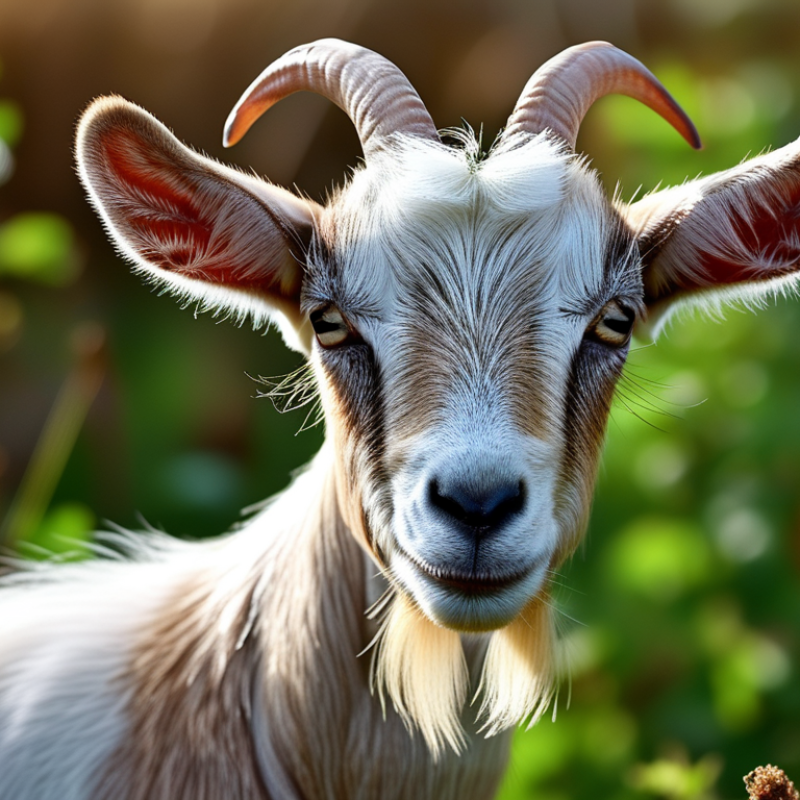
Healthy goat growth begins with more than a full feeding trough. The right goat feed should support steady weight gain, strong bones, rumen health, and useful milk production. It must also match the goat’s age, breed, workload, and forage quality. A growing kid may need higher protein than a mature doe. A dry goat usually needs less energy than a lactating animal.

Susan Schoenian, a respected sheep and goat specialist, has explained, “Goats are browsers, not grazers.” This observation matters when choosing feed. Goats naturally select leaves, tender shoots, weeds, and woody plants. Hay, browse, grains, minerals, and clean water can work together in a practical feeding plan. However, no single ration fits every herd. Balance matters. Too much grain can upset rumen function, while poor-quality hay may limit growth. That mistake is common.

This guide examines ten goat feed types used for healthy development, including alfalfa hay, grass hay, browse, commercial pellets, grains, minerals, and forage-based supplements. Each option has benefits and limitations. Texture, freshness, storage, and feeding quantity deserve attention. A dusty bale or moldy feed should never be treated as harmless. Small changes matter. Introduce new feed gradually and watch body condition, manure consistency, appetite, and coat quality. Consultation with a veterinarian or qualified livestock nutritionist remains important, especially for weak kids, pregnant goats, or animals with recurring digestive problems. The best feeding program is not always the most expensive one. It is the one that fits the animal, the pasture, and the keeper’s daily routine.
Top 10 Goat Feed Types for Healthy Goat Growth?

Goat Nutrition Basics: 12–18% Crude Protein for Healthy Growth

Top 10 Goat Feed Types for Healthy Goat Growth?

Healthy growth begins with usable protein, not simply a full feeder. A practical target is 12–18% crude protein on a dry-matter basis. The National Research Council’s Nutrient Requirements of Small Ruminants (2007) shows that protein needs change with age, body weight, pregnancy, milk production, and forage quality. Young kids and lactating does usually need richer diets than mature, dry goats.

Useful feed types include leafy browse, mixed grass hay, alfalfa hay, pasture, legume forage, balanced pellets, limited grains, oilseed meals, loose minerals, and clean water. Browse can provide varied leaves and stems, while hay supplies dependable fiber during dry seasons. A feed analysis report matters more than appearance. Green hay is not always high-protein hay.

Do not chase the highest number. Excess grain can disturb rumen fermentation, causing loose manure or reduced appetite. Research-based small-ruminant guidance from Langston University also emphasizes gradual diet changes and adequate effective fiber. Offer protein according to the forage test, not guesswork. That part is often missed.

Check body condition, growth rate, manure texture, and chewing behavior weekly. A rough coat may reflect parasites, minerals, energy, or protein deficiency. Sometimes, it is several problems together. Keep mineral access consistent, but review local mineral risks with a qualified livestock adviser. Growth targets should be adjusted for breed, climate, and production purpose.
Top 10 Goat Feed Types for Healthy Growth

Growing goats commonly need a balanced ration that provides about 12–18% crude protein on a dry-matter basis. The values below are typical reference figures; actual nutrition varies with crop variety, maturity, harvest conditions, and processing.

Top 10 Goat Feed Types: Forage, Hay, Grains, Pellets, and Supplements

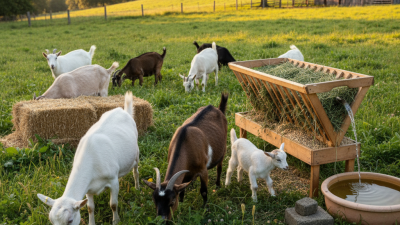
Healthy goat growth depends on balanced feed, not one perfect ingredient. Fresh pasture forage supplies energy, moisture, and natural browsing behavior. Goats also enjoy safe leaves, twigs, and weeds from clean, pesticide-free areas.

Grass hay supports daily chewing and rumen function. Alfalfa hay provides more protein and calcium, especially for kids, pregnant does, and lactating goats.

Use clean, dry hay without mold or a musty smell. Spoiled hay can quickly undermine an otherwise careful feeding plan.

Whole grains, such as oats, barley, and corn, add concentrated energy. Feed them cautiously because too much grain may disturb rumen health. Pelleted goat feed offers measured protein and minerals, but labels still require careful reading.

Beet pulp can provide digestible fiber after proper soaking. Protein supplements may help goats eating low-quality forage, although needs vary by age and production stage.

Free-choice goat minerals support bone development and reproduction. Plain salt encourages normal intake, while constant clean water remains essential.

I have seen owners increase grain when goats look thin, then overlook dental problems or parasites. That judgment can fail.

A veterinarian or livestock nutritionist should assess persistent weight loss, loose manure, or poor growth. Feed changes work better when introduced gradually and monitored through body condition, manure, coat quality, and daily appetite.

Age-Based Feeding: Growing Kids Typically Need 16–18% Protein

Top 10 Goat Feed Types for Healthy Goat Growth

Growing kids need carefully balanced nutrition, not simply more grain. Many extension feeding programs recommend about 16–18% crude protein on a dry-matter basis for young, growing goats. The NRC’s Nutrient Requirements of Small Ruminants (2007) also stresses that requirements change with body weight, growth rate, and forage quality.

Good options include clean leafy hay, quality pasture, alfalfa, grass hay, balanced grower feed, small amounts of grain, and mineral supplements. Fresh water remains essential.

Age matters greatly. Newborn kids depend on colostrum during their first hours. Milk supports early development, while small amounts of tender forage encourage rumen growth. After weaning, protein-rich hay and a controlled grower ration can support muscle and bone development.

A practical caution: 16–18% is a useful target, not a magic number. Poor forage may require adjustment, but excess protein can waste money and disrupt the diet.

Tips: Check the feed label and compare protein on the same moisture basis. Offer forage before grain. Change feeds slowly over seven to ten days. Weigh kids weekly, if possible. A growing kid should gain steadily, but not become overly fat. Local forage testing is often overlooked. It can reveal low protein, minerals, or energy, making professional ration advice more reliable.

Safe Ration Planning: Keep Concentrates Below 50% of Daily Intake

Top 10 Goat Feed Types for Healthy Goat Growth?

Healthy goat growth starts with forage, not a grain bucket.

Good options include pasture grass, grass hay, alfalfa hay, browse leaves, straw, oats, barley, balanced pellets, beet pulp, and a loose mineral mix. Clean water is essential, although it is not a feed. Goats need long fibers to support rumen movement and steady chewing.

Keep concentrates below 50% of daily dry-matter intake. A safer working range is often 20–35% for growing goats, depending on age and forage quality. For example, offer plenty of grass hay, then add measured oats, barley, pellets, or soaked beet pulp. Increase concentrates slowly over ten to fourteen days. Sudden changes can cause loose manure, reduced appetite, or dangerous rumen imbalance. Watch the leftovers. A full feeder does not always mean a balanced ration.

Body condition and growth records matter more than guesswork. Weigh young goats regularly, check their ribs without pressing hard, and adjust feed in small steps. Alfalfa can support growth, but excessive rich forage may upset mineral balance. Straw can provide fiber, yet it cannot replace nutritious hay. Goats also need suitable minerals, especially when local forage is deficient. No ration works perfectly for every herd. Soil, season, breed, and milk production change the calculation. A livestock nutritionist or veterinarian should review unusual growth, persistent diarrhea, or sudden weight loss.

Water and Minerals: Provide 1.5–4 Liters Daily with Balanced Copper

Water and minerals are often the quiet foundation of healthy goat growth. A growing goat may need about 1.5–4 liters of clean water daily, depending on body size, weather, forage, pregnancy, and milk production. Hot afternoons can increase demand quickly. Check the trough twice each day. Remove hay, mud, and algae before refilling it.

Mineral balance matters as much as water volume. Goats need copper for growth, hair quality, immune function, and reproduction, but excessive copper can become dangerous. Use a goat-specific mineral mix with clearly stated copper levels. Sheep mineral products are usually unsuitable because their copper content may be too low for goats. Local forage and water can change mineral needs, so a livestock veterinarian or nutritionist should review persistent problems. A simple water test may reveal high sulfur or iron, which can interfere with copper use. This detail is easy to miss.

Tips: Place water in shade and keep it away from manure. Measure daily intake for several days, rather than guessing. Offer loose minerals in a dry feeder, not on wet ground. Watch for dull coats, poor growth, or reduced appetite, but do not diagnose from one symptom. I once underestimated how fast summer heat changed water consumption; regular records would have shown it earlier. Recheck the plan when goats move from pasture to hay, or when does begin lactation.

Top 10 Goat Feed Types for Healthy Goat Growth? - Water and Minerals: Provide 1.5–4 Liters Daily with Balanced Copper

No. Feed or Nutrient Source Primary Contribution Best Use Practical Feeding Guidance Important Safety Note
1 Grass Hay Fiber for rumen function and steady energy Daily foundation for most goats Offer clean, mold-free hay free-choice; actual intake depends on body size, quality, and production stage. Discard dusty, wet, or moldy hay because it can reduce intake and harm respiratory health.
2 Legume Hay More protein and calcium than many grass hays Growing kids, late pregnancy, and lactation Use as part of a balanced forage program and adjust concentrates according to body condition. Excessively rich diets may contribute to urinary mineral imbalance, especially in wethers.
3 Pasture Grass Fresh forage, moisture, fiber, and variable protein Grazing goats during the growing season Rotate grazing areas where possible and provide supplemental hay when pasture is short or overly lush. Introduce lush pasture gradually to help reduce digestive upset and bloat risk.
4 Browse and Leafy Branches Natural browse, fiber, and plant variety Behavioral enrichment and forage diversity Provide only correctly identified, pesticide-free, goat-safe plants and branches. Avoid poisonous plants, including wilted wild cherry leaves, certain ornamental shrubs, and plants containing toxic compounds.
5 Oat Grain Concentrated energy with moderate starch Supplementing high-demand animals Feed measured amounts only when forage alone does not meet energy needs; introduce gradually. Too much grain can cause acidosis, diarrhea, and reduced rumen function.
6 Barley or Corn Grain High-energy starch Lactating does or goats needing additional calories Use a properly balanced ration and divide larger amounts into multiple meals. Never replace the forage base with grain; sudden intake increases are especially risky.
7 Commercial Goat Pellet Concentrated protein, energy, vitamins, and minerals Kids, late-pregnant does, or high-producing does Select a goat-specific formulation and follow the feeding rate for the animal's age and production stage. Do not combine multiple fortified feeds without checking total mineral intake.
8 Beet Pulp Digestible fiber and supplemental calories Older goats or animals needing extra condition Feed dry or soaked according to the product instructions, while keeping forage available. It is a supplement, not a complete ration; introduce it slowly.
9 Clean Drinking Water Hydration, digestion, thermoregulation, and milk production Every goat, every day Provide approximately 1.5–4 liters daily as a general range, with higher needs during heat, lactation, pregnancy, or high-moisture feed intake. Refresh water frequently and clean containers; actual needs vary with body size, weather, diet, and health.
10 Goat-Specific Mineral Supplement Copper, selenium, zinc, salt, calcium, phosphorus, and trace minerals Supporting growth, reproduction, immunity, and hoof health Offer a goat-formulated free-choice mineral according to its label and local forage analysis; keep it dry and available. Use balanced copper for goats, but avoid sheep mineral and excessive copper because mineral requirements and toxicity risks differ.

Note: Forage should form the foundation of the diet. Feed amounts should be adjusted for body weight, age, pregnancy, lactation, activity, forage quality, and body condition. Consult a qualified livestock nutritionist or veterinarian when creating a ration or correcting a suspected mineral deficiency.