How to Choose the Best Chicken Feed for Your Flock?
Choosing chicken feed is not just a matter of picking a familiar brand. The right ration depends on your flock’s age, purpose, and condition. Chicks need a different balance of nutrients than laying hens. Growing birds, too, have changing needs. A practical summary of poultry nutrition expert Dr. Michael Lilburn’s work is: “Match the ration to the bird’s age and purpose.” Treat that as guidance, not a substitute for checking the label or seeking qualified advice.
Look for a complete feed designed for your birds’ life stage. Check the guaranteed analysis, feeding directions, and ingredient information. For laying hens, calcium supports strong shells, but extra supplements should not replace a balanced ration. A handful of scratch grains may seem harmless; too many can dilute essential nutrients. Watch the flock at the feeder. Note appetite, body condition, egg production, and shell quality. Small changes can signal a problem, though they do not reveal its cause by themselves. Store feed in a clean, dry container, away from damp floors and pests. Freshness matters. Even careful keepers can overlook it. Change feeds gradually where practical, and ask a poultry veterinarian or qualified nutritionist about persistent concerns. This guide will help you compare feed types, read labels, and avoid common buying mistakes. No single bag is best for every flock. Your birds’ needs—and your observations—should guide the choice.
Assess Your Flock’s Age, Breed, and Purpose
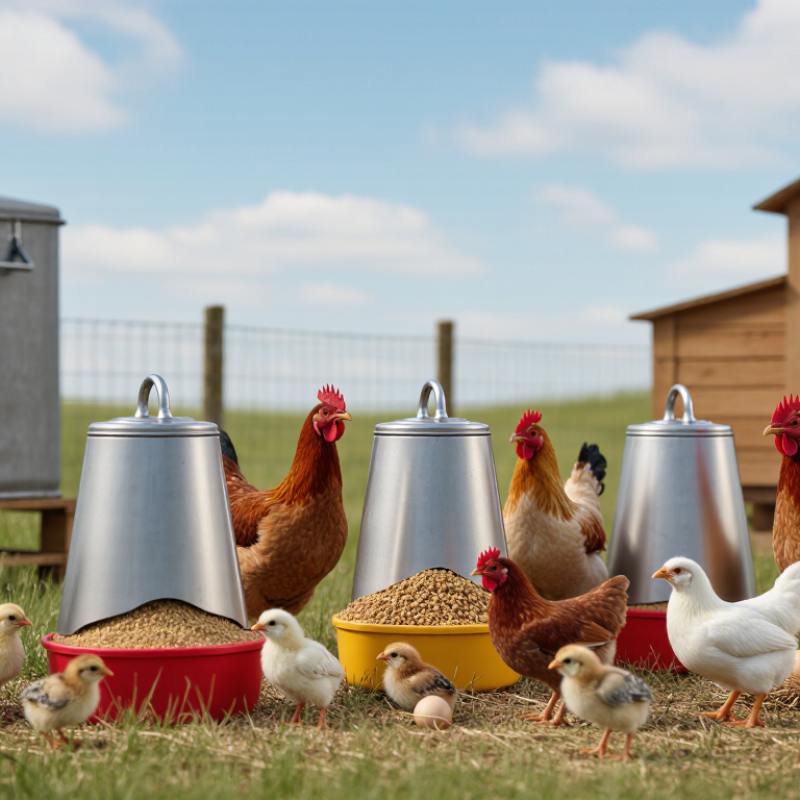
A chick, a laying hen, and a meat bird do not need the same ration. Match feed to age and purpose, then check the label for a complete diet. The National Research Council’s Nutrient Requirements of Poultry (1994) lists broiler diets at about 23% crude protein for weeks 0–3, 20% for weeks 3–6, and 18% for weeks 6–8. These are reference values, not a universal recipe; modern strains and feeding programs can differ. Layers need a ration formulated for egg production, including adequate calcium for shell formation.
Breed matters, too, but it is not a shortcut. A small-bodied laying breed and a larger dual-purpose hen may eat different amounts, while both still need nutrients matched to their life stage. Watch the birds: empty feeders, dusty feed, or consistently thin body condition can signal a mismatch. I’ve found it easy to blame the feed too quickly; heat, parasites, and competition at the feeder can also affect appetite. Check the whole picture.
Tips: Keep starter feed for young chicks, and switch to grower or layer feed at the age recommended for your flock type. Keep meat birds on a growth-appropriate ration, not layer feed. Offer clean water beside the feeder, and avoid letting treats crowd out complete feed. Small changes matter. Weigh a few birds weekly and record the results.
How to Choose the Best Chicken Feed for Your Flock? - Assess Your Flock’s Age, Breed, and Purpose
| Age or Stage |
Breed or Flock Type |
Purpose |
Suitable Feed |
Typical Nutrient Guide |
Practical Notes |
| Hatch to about 6 weeks |
All breeds |
Early growth |
Complete chick starter, usually a crumble |
About 18–20% crude protein for many pullet starter feeds |
Provide clean water continuously. Follow the feed label for age range and feeding directions. |
| About 6 to 18 weeks |
Pullets of standard or bantam breeds |
Steady growth before laying |
Complete grower feed |
Often about 16–18% crude protein; calcium is lower than in layer feed |
Do not switch to layer feed merely because pullets are nearing adulthood; wait until they begin laying or follow the product directions. |
| Laying age |
Active laying hens, including light and heavy breeds |
Egg production and shell formation |
Complete layer feed in crumble, pellet, or mash form |
Commonly about 16–18% crude protein and 3.5–4.5% calcium |
Offer insoluble grit when birds eat whole grains or forage. A separate source of oyster shell can be offered when appropriate. |
| Any age before laying, or adult birds not laying |
Cockerels, roosters, and non-laying birds |
Growth or adult maintenance |
Age-appropriate starter, grower, or all-flock feed |
Use a complete ration formulated for the bird’s life stage; avoid excess calcium |
Layer feed is high in calcium and is not the best routine choice for growing birds or non-laying males. |
| Meat-bird growing period |
Broiler-type chickens |
Meat production |
Complete broiler starter, grower, and, where specified, finisher feed |
Protein is generally higher early and reduced in later phases; exact targets vary by formulation and production plan |
Use the product’s stage schedule rather than a layer ration. Follow local guidance and label instructions, especially for any withdrawal period. |
| Mixed ages or mixed purposes |
Mixed flock, including laying hens and roosters |
One shared feeding area |
Complete all-flock feed, with calcium offered separately for laying hens |
Choose a ration suitable for the flock’s ages; provide extra calcium only to birds that need it |
Separate feeders or calcium stations can help prevent non-laying birds from consuming unnecessary calcium. |
| Any age |
Bantams, large breeds, and free-ranging birds |
Adjusting for size and activity |
The same life-stage feed appropriate to their age and purpose |
Breed alone does not usually require a different nutrient formula |
Choose a particle size birds can eat comfortably. Foraging and treats should not displace the complete ration; keep treats to a small part of the diet. |
Nutrient values are typical guides, not universal specifications. Feed formulations and recommended transition ages vary, so check the guaranteed analysis and directions on the feed label. Keep feed dry and fresh, and provide clean water at all times.
Understand Nutritional Needs and Feed Labels
How to Choose the Best Chicken Feed for Your Flock?
Feed choice starts with the bird, not the bag. Chicks, growing pullets, and laying hens need different nutrient balances. The National Research Council’s Nutrient Requirements of Poultry (1994) lists 18% crude protein for chicks aged zero to six weeks, compared with 15% for laying hens. These are reference values, not universal recipes. Breed, feed intake, climate, and egg production can shift a flock’s needs. Layer calcium matters, too. The NRC reference diet sets calcium near 3.25% for laying hens, supporting eggshell formation.
Read the label’s intended bird class and feeding directions before comparing protein figures. The Association of American Feed Control Officials’ Official Publication describes common label elements, including guaranteed analysis and ingredient lists. Check calcium and phosphorus alongside crude protein, where those values are provided. A guaranteed minimum or maximum does not describe every nutrient in the feed. That detail is easy to miss. If hens have thin shells, consider feed intake and access to oyster shell, rather than assuming the protein percentage is wrong. I still find labels dense; a simple note of flock age and egg output can make comparisons more practical.
Compare Feed Types and Ingredients
Chicken feed differs by age and purpose, so compare the label with your flock’s actual needs. Starter feed is usually higher in protein for young chicks. Grower feed suits birds developing before lay, while layer feed includes extra calcium for eggshell production. Chicks should not eat layer feed as their main ration. Read the label closely.
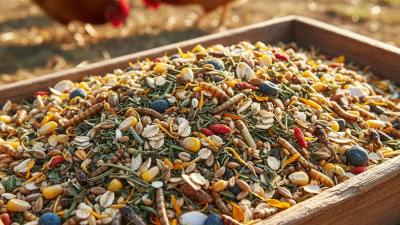
Feed form matters, too. Crumbles are easy for small chicks to eat, while pellets can reduce sorting and scattering in adult flocks. Mash lets you see the ingredients, but birds may pick out favorite bits. Watch what gets left. A dusty patch beneath the feeder can mean the texture or feeder height needs attention.
Check the ingredient list and the guaranteed analysis, not just words like “complete.” Grains such as corn and wheat provide energy; soybean meal or other protein sources help balance the ration. Calcium may come from limestone or shell sources. Formulas vary, so compare protein, calcium, and age guidance on the package. In a mixed-age flock, one feed may not suit every bird; a separate calcium source can help laying hens without making it the main feed for younger birds. I still find feed waste easy to underestimate. Keep feeders dry, note what birds leave behind, and adjust carefully rather than changing rations every few days.
Choose Feed for Each Stage of Life
Feed needs change as chickens grow, so choose a ration suited to their current stage. Chicks generally need starter feed for their first six weeks, with roughly 18–20% protein to support rapid growth. Use a crumble they can eat easily, and keep clean water close by. It sounds small. It matters.
From about six weeks until laying begins, pullets usually do well on grower feed, which often contains around 15–16% protein. Check the feed label, since recommended ages and formulas vary. Avoid layer feed at this stage; its extra calcium is intended for laying hens, not growing birds. Changes can upset digestion, so blend the new feed with the old over several days. A slower switch is easier on them.
When pullets start laying, commonly around 18–20 weeks, move to a complete layer ration according to its label. It supplies calcium for eggshells as well as balanced protein and energy. For a flock with mixed ages, an all-flock feed with separate oyster shell available to laying hens can be practical. Not for chicks. Watch the feeder, too: spilled feed gets damp, clumps, and can spoil before you notice. Feed choice is not always as neat as a chart suggests; body condition and actual laying patterns deserve attention.
How to Choose the Best Chicken Feed for Your Flock?
Choose Feed for Each Stage of Life
Chicks generally need higher-protein starter feed, while growing pullets need a grower ration. Once hens begin laying, layer feed provides substantially more calcium for eggshells. Values shown are typical examples, not universal requirements; check the feed label and choose a ration appropriate for your birds’ age and purpose. Avoid feeding layer feed to growing pullets.
Store Feed Properly and Monitor Flock Health
Store feed as carefully as you choose it. Keep bags sealed, dry, and raised off the floor, away from leaks and rodents. A metal bin with a tight lid helps protect feed from dampness and pests. Buy amounts your flock can use before the feed loses freshness, and mark each container with its opening date. Never top up a bin without cleaning out old crumbs. That small shortcut can hide stale feed.
Moisture matters. FAO has cited an estimate that roughly one-quarter of global crops are affected by mycotoxins, though risk varies by crop and season. Moldy feed can threaten flock health, so discard feed that smells musty, feels clumped, or shows visible growth. Small signs matter.
Check birds daily while you refill feeders: note appetite, water intake, droppings, egg output, and changes in posture or energy. A weak spot in many routines is recording; memory blurs gradual changes. Keep a simple dated notebook and contact a poultry veterinarian when several birds decline or symptoms persist.
CDC’s 2024 investigation reported 470 illnesses and 87 hospitalizations linked to contact with backyard poultry. That report concerns human infections, not feed, but reinforces the value of clean feeding areas, handwashing, and prompt attention to flock changes.