Top Goat Feed Options for Your Farm Needs?
In the world of livestock, goat feed is essential. Dr. Sarah Jenkins, a leading expert in animal nutrition, emphasizes, "Quality goat feed leads to healthier herds." As farmers strive for productivity, choosing the right feed becomes vital.
Many factors influence goat health, including feed quality. For instance, proper nutrition can enhance milk production and improve growth rates. However, not all goat feeds are created equal. Farmers must consider ingredients and nutrient balance.
It's crucial to reflect on feed choices. Some farmers may overlook the importance of variety and quality, leading to nutritional deficiencies. Each goat's needs may differ, requiring a tailored approach. By investing time in understanding goat feed options, farmers can foster healthier herds and improve their overall farm success.
Essential Nutritional Needs of Goats on Farms
When it comes to raising goats, understanding their nutritional needs is crucial. Research shows that goats require a balanced diet with specific nutrients to thrive. For instance, they need adequate protein, commonly recommended at 12-16% of their diet. This protein is vital for growth, milk production, and overall health.
Minerals play a significant role as well. Goats require salt, calcium, and phosphorus; deficiencies can lead to serious health issues.
Fiber is another key component in a goat's diet. Adult goats require a minimum of 15% fiber to ensure proper digestion and energy levels. High-fiber options include hay and pasture grasses. A study published by the University of Kentucky highlights that good-quality forage can help mitigate the risk of digestive disorders. However, low-quality forage may not provide adequate nutrition, leading to malnourishment.
Water access is often overlooked. Goats should always have fresh, clean water available. Dehydration can lead to reduced milk production and other health problems. It's critical for farmers to monitor their goats closely, adjusting diets based on age and activity levels. Regular veterinary check-ups provide insights on dietary requirements that might evolve over time, ensuring that farmers can adapt to their goats' growing needs.
Types of Goat Feed: Grain, Hay, and Pellets Explored
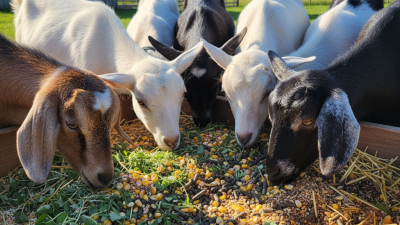
Goat feed choices significantly affect your goats' health and productivity. Understanding different feed types is essential. Grain, hay, and pellets are the top options. Each type serves a unique purpose.
Grains are energy-rich and can boost weight gain. They include corn and oats. However, over-reliance on grains can lead to digestive issues. It's crucial to watch their intake carefully. Goats should not have unlimited access to grain.
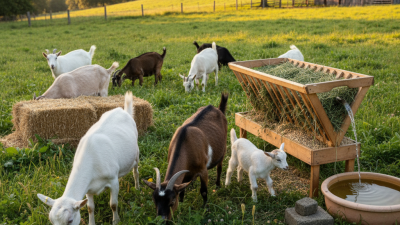
Hay provides vital fiber for digestive health. Timothy and alfalfa are great choices. Fresh hay should be clean and free of mold. Regularly check its quality. Sometimes, goats may refuse hay. This could indicate that they prefer something fresher or different.
Pellets combine various nutrients in a convenient form. They ensure balanced diets but can lack some benefits of fresh forage. Always incorporate hay into their diets even if pellets are available. It's about balance.
Tips for feeding: Always introduce any new feed gradually to avoid upsets. Consider your goats’ age and activity level when selecting feed. Observe their eating habits; changes can indicate health issues. Feeding goats well is a journey requiring diligence.
Top Goat Feed Options for Your Farm Needs
| Feed Type |
Nutritional Content (%) |
Suitable For |
Cost (per 100 lbs) |
| Grain |
12% Protein, 3% Fat |
Dairy Goats, Pregnant Does |
$20 |
| Hay |
8% Protein, 1% Fat |
All Goats |
$15 |
| Pellets |
16% Protein, 4% Fat |
Young Kids, Lactating Does |
$25 |
| Alfalfa |
16% Protein, 2% Fat |
All Goats, High-Energy Needs |
$30 |
| Corn |
9% Protein, 4% Fat |
Finishing Goats |
$18 |
Natural Forage vs. Commercial Feed: Pros and Cons
When considering goat feed options, it's essential to evaluate natural forage and commercial feed. Natural forage offers a rich variety of nutrients. Goats thrive on grasses, legumes, and browse. These provide essential vitamins and minerals, supporting overall health. Forage also encourages natural behaviors, promoting mental well-being. However, the availability of quality forage can be inconsistent, depending on the season.
On the other hand, commercial feed provides a reliable solution. It is formulated to meet specific nutritional needs, ensuring goats receive balanced diets. This option is especially useful in winter or drought conditions when forage is limited. However, some commercial feeds may include additives that are not always necessary. It’s crucial to read labels carefully.
Moreover, relying solely on commercial feed can reduce goats' foraging instincts. Striking a balance between the two options may be the best approach.
Supplemental Nutrition: Vitamins and Minerals for Goats
When raising goats, providing supplemental nutrition is crucial for their health and productivity. Goats require specific vitamins and minerals to thrive. These nutrients support growth, reproduction, and immunity. Often, pasture and hay lack essential elements. This is where supplements come into play.
Common vitamins needed for goats include A, D, and E. Vitamin A supports vision and reproduction. Vitamin D promotes calcium absorption, vital for bone health. Vitamin E acts as an antioxidant, protecting cells from damage.
Minerals like calcium, phosphorus, and selenium are equally important. Calcium is vital for milk production. Phosphorus aids in energy metabolism. Selenium helps prevent reproductive issues and boosts immune function.
However, it is easy to overlook these needs during busy farming days. Regularly testing feed and forage helps ensure adequate nutrient levels. Pay attention to goat behavior. Signs of deficiency can include poor coat condition or reduced milk yield. Finding balance in their diet is an ongoing challenge. Consider consulting with a veterinarian for tailored advice on mineral and vitamin supplementation. This way, you can enhance the well-being of your goats and overall farm productivity.
Choosing the Right Feeding Schedule for Optimal Growth
Feeding goats properly is essential for their growth and productivity. An ideal feeding schedule can dramatically impact their health. Research demonstrates that goats thrive on consistent feeding times. That consistency can enhance digestion, nutrient absorption, and overall well-being.
Establish a feeding routine. Goats benefit from being fed at the same time each day. This stability can reduce stress. According to experts, adult goats typically require 2-4% of their body weight in feed daily. For optimal growth, split their daily allowance into two or three smaller meals. This approach promotes a healthy rumen and prevents overeating, which can lead to digestive issues.
Tips: Monitor their weight and health regularly. Adjust feed quantities based on their condition. Keep records of their feeding habits to identify trends. Also, ensure that fresh water is always available. Remember, the right feed and schedule are pivotal for achieving optimal growth. Regular check-ups with a veterinarian can provide further insights tailored to your herd's unique needs.